

5 min read
Short answer: the “right” book for your kid’s age is the one they actually ask you to read again. For ages 3 to 8 that usually comes down to three things, the length they’ll sit still for, a feeling they already know, and pictures worth pointing at. I write these books and test every one on my own son, so I’ve watched the same kid go from “two pages, max” to “one more chapter, please” in about two years. Here’s how to pick by age without overthinking it, plus the one rule that beats every age chart.
Key Takeaways
- Ages 3 to 4: short, rhythmic, one simple feeling, big pictures they can “read” on their own.
- Ages 5 to 6: a little plot, a problem that gets solved, characters whose feelings they recognize.
- Ages 7 to 8: longer stories, some humor, a character who changes. And yes, they still want to be read to.
Why a 4-year-old and a 7-year-old want completely different books
A four-year-old and a seven-year-old are basically different species at storytime. One wants to chew the corner and yell at a picture of a dog. The other wants to know why the dog is sad and whether he’ll be okay. Same kid, three years apart. Match the book to the child in front of you, not the age printed on the back cover.
Ages 3 to 4: the two-pages-then-a-cartwheel years
Keep it short. Really short. At this age a story is competing with the very important business of running in a circle for no reason. Look for big bold pictures, a simple rhythm, and one feeling per book. Repetition is your friend here, the line they can shout back at you is the line they’ll love. They can’t read the words yet, but they “read” the pictures, so a page worth pointing at does half your work.
Ages 5 to 6: when they start following a story
Now they can hold a thread. A small problem, a couple of bumps, a fix at the end. They like characters who feel things they’ve felt, scared, left out, proud of something small. When the feeling is a specific one, a page built around it beats a general list: there are separate ones for a child with a sick grandparent and for a child missing grandparents who live far away. They’ll chime in on the repeated bits and ask what happens next, which is the whole point. Stories that slip in a gentle lesson work well at this age, as long as the story comes first and the lesson just rides along.
Ages 7 to 8: still your lap, just longer books
Here’s the part parents forget. A seven-year-old who reads chapter books on her own still wants you to read to her. Reading age and “read it to me again” age are two different things. Go longer, add some humor and a little cleverness, give them a character who actually changes by the end. And don’t pack away the picture books, the art still reels them in.
The one rule that beats every age chart
If you remember nothing else, remember this. The right book is the one they ask for again. I can hand my son a gorgeous, award-shiny new book and watch him reach straight past it for the one with the bent corner he’s heard ninety times. Taste is personal. And loud. So let their interest lead. Most nights my son picks the animal for the next story, and those are the ones that stick. Chase what your kid loves, not the sticker on the cover or the exact reading level. The level sorts itself out. The love is the hard part.
Once you have found books they love, the next step is turning that into a habit, these five habits cover exactly that. And if the book needs to open up a harder conversation, this guide to books about feelings is a good place to start.
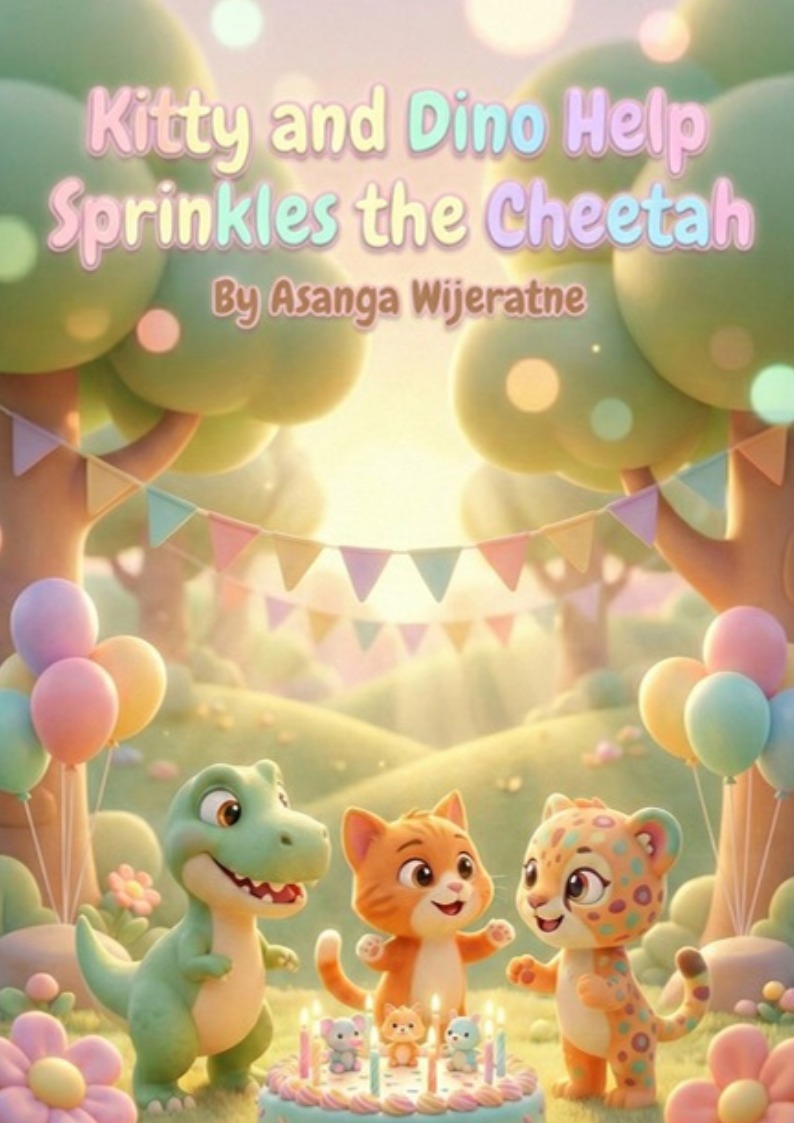
Buy the paperback →
or read free with Kindle Unlimited
FAQ: Choosing Picture Books by Age
From the Kitty & Dino bookshelf
Gentle picture books that bring this to life for ages 3–8:


Pingback: Harvey the Hippo Loves Ballet | Children's Book About Courage | Kitty and Dino
Pingback: Why Gordon the Rooster Reminds Us: Every Life Matters...
Pingback: 21 Best Picture Books for 3, 4 and 5 Year Olds | Kitty & Dino
Pingback: Personalized Birthday Books for Kids (Ages 3-8) | Kitty & Dino
Pingback: Reading Together Every Night: What 10 Minutes Really Does
Pingback: The Best Magical Garden Children's Books for Bedtime...
Pingback: Book Series for Preschoolers, Written for My Son | Kitty & Dino
Pingback: Children's Books About Being Different (Ages 3 to 8)
Pingback: Short Bedtime Stories for a Toddler Who Hates Bedtime
Pingback: Best Birthday Books for Kids Ages 3-8 (The Ones They Reread)