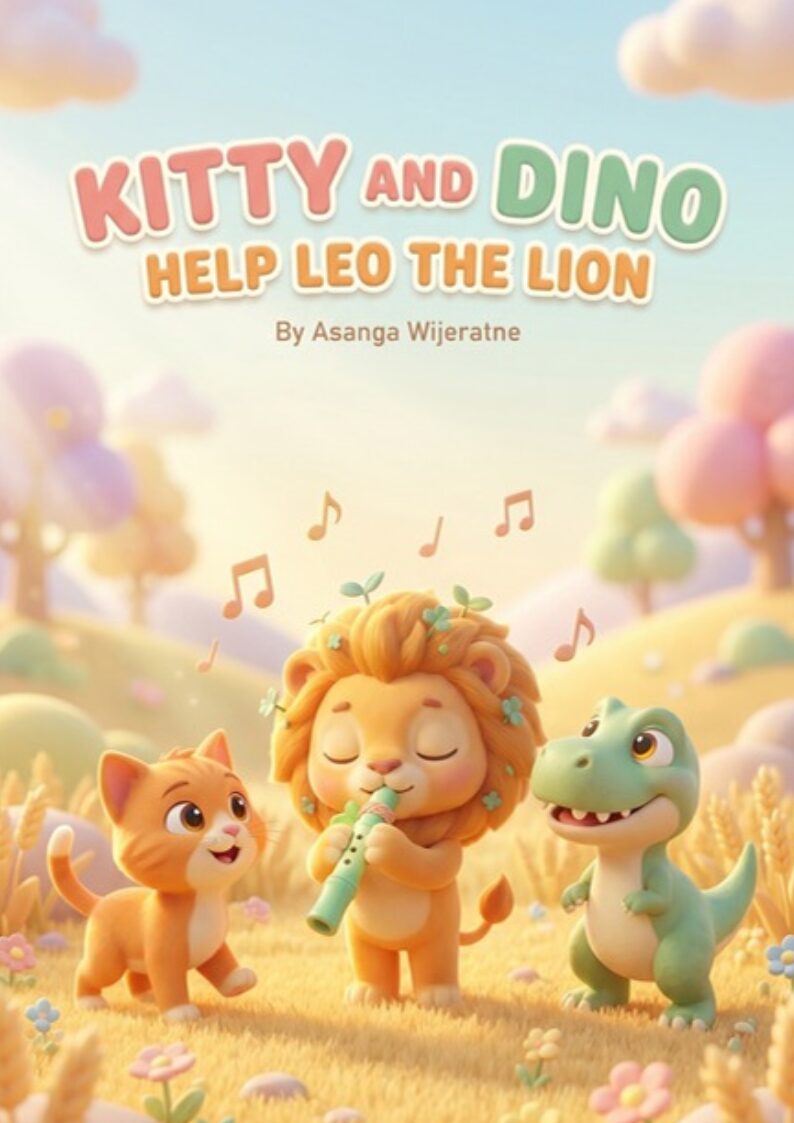
Meta Title: Children’s Books About Being Different (Ages 3-8) | Kitty & Dino
Meta Description: Discover 10+ heartwarming children’s books that celebrate uniqueness. Perfect for kids ages 3-8 who need to know being different is okay. Read now!
—
Your child comes home from school, shoulders slumped, eyes down. “Everyone else has the new toy,” they mumble. Or maybe it’s “I don’t like what the other kids like.” Or the gut-punch: “They said I’m weird.”
As a parent, your heart cracks a little. You want to wrap them in words that heal, stories that show them being different isn’t just okay — it’s their superpower.
That’s where the right children’s books come in. Not lectures. Not heavy-handed “lessons.” Just beautiful stories where characters who don’t fit in discover that their differences make them more lovable, not less.
At Kitty & Dino, we believe every child deserves to see themselves in a story that whispers: You are exactly right, exactly as you are.
—
Key Takeaways (For Busy Parents)
– Why being different is hard for kids: Developmentally, children ages 3-8 are learning where they fit in the world — and standing out feels risky. Books provide safe emotional practice.
- What to look for: Stories where “different” isn’t fixed or cured, but embraced. Characters who keep their quirks and find belonging anyway.
- Tonight’s conversation starter: Ask, “What’s something about you that makes you you?” Then celebrate whatever they name.
—
10 Children’s Books That Celebrate Being Different
1. Harvey the Hippo: When Dreams Get Teased ⭐ Anchor Pick
Ages: 3-8
Why it belongs here: Harvey loves ballet. The other hippos tease him. But with friends who see his courage (not his “weirdness”), Harvey dances anyway.
This story doesn’t fix Harvey — it celebrates him. That’s the magic. When your child sees Harvey find the courage to be himself, they internalize: My difference is my strength.
The parent takeaway? Gender stereotypes get gently dismantled. Following your heart gets rewarded. And teasing? It loses its power when you know who you are.
Read more about Harvey’s story →
—
2. Elmer by David McKee
Ages: 3-6
The difference: Elmer is a patchwork elephant — every color except elephant-colored. He tries to blend in (literally), but discovers the herd loves him because he stands out.
The message: Your uniqueness makes you lovable. The people who matter don’t want you to be gray.
—
3. Chrysanthemum by Kevin Henkes
Ages: 4-8
The difference: Chrysanthemum has a long, flower-themed name. The other mice tease her — until a beloved teacher reveals her unusual name. Suddenly, Chrysanthemum’s difference feels like belonging to a special club.
The message: What makes you stand out today might be what makes you memorable tomorrow.
—
4. The Rainbow Fish by Marcus Pfister
Ages: 3-6
The difference: Rainbow Fish has shimmering scales no one else has. At first, he hoards them. But loneliness teaches him that sharing his uniqueness creates connection — and makes him even more beautiful.
The message: Your gifts aren’t meant to be hidden. They’re meant to be shared.
—
5. Stellaluna by Janell Cannon
Ages: 4-7
The difference: Stellaluna is a bat raised by birds. She tries to be bird-like (eating bugs, sleeping upright), but she’s miserable. When she finds other bats, she learns she’s not “wrong” — she’s different, and that’s okay.
The message: Some differences mean you belong to a different “flock” — and finding your people changes everything.
—
6. Spork by Kyo Maclear
Ages: 3-6
The difference: Spork is half-spoon, half-fork — not quite fitting with the spoons or the forks. He tries to be one or the other, but fails. Finally, a messy baby arrives who needs… someone exactly like Spork.
The message: You don’t have to pick one box. Being “both” or “in-between” is its own kind of wonderful.
—
7. Gaston by Kelly DiPucchio
Ages: 3-6
The difference: Gaston is a bulldog raised by poodles. He tries to be proper and poodle-like, but he’s happier slobbering and roughhousing. When he meets his birth family (bulldogs!), he realizes he doesn’t have to choose — he can be himself with the family that loves him.
The message: Your “family” (birth or chosen) loves you for who you are, not who you’re trying to be.
—
8. A Color of His Own by Leo Lionni
Ages: 3-6
The difference: Chameleon is tired of changing colors. He wants to be one color, like other animals. He tries sitting on a leaf to stay green — but the leaf changes too. Finally, he meets another chameleon, and together they embrace their ever-changing nature.
The message: Constant change isn’t a flaw — it’s part of who you are. And sharing the journey helps.
—
9. Tacky the Penguin by Helen Lester
Ages: 4-7
The difference: Tacky is loud, clumsy, and marches to his own drummer. His “proper” penguin companions are embarrassed — until Tacky’s differences save the day from hunters. His terrible singing? Confusing. His sloppiness? Disguise.
The message: The qualities that make you “too much” might be exactly what the situation needs.
—
10. Stand Tall, Molly Lou Melon by Patty Lovell
Ages: 4-8
The difference: Molly Lou is tiny, buck-toothed, and has a voice “like a bullfrog being squeezed by a boa constrictor.” Her grandmother teaches her to stand tall — and when a bully targets her, Molly Lou’s confidence (and her unique traits) win the day.
The message: Confidence isn’t about being like everyone else. It’s about owning who you are.
—
People Also Ask: “Why do kids get teased for being different?”
Developmentally, children ages 3-8 are learning social rules — and “different” feels like “wrong” when you’re trying to figure out the world. Kids tease to establish pecking orders, to feel safe in sameness, or simply because they haven’t learned empathy yet.
What parents can do:
– Name the feeling: “It sounds like feeling different made you sad. That’s hard.”
- Reframe the narrative: “Different means you have something special to offer that no one else has.”
- Provide mirror stories: Books like the ones above show your child they’re not alone — and their difference has a place in the world.
—
How to Use These Books With Your Child
1. Read Together, Not At
Don’t quiz: “What did you learn about being different?” Just enjoy the story. The message seeps in through empathy with the character.
2. Make Connections
After reading, try: “Harvey loved something the other hippos thought was strange. Is there something you love that feels special to you?”
3. Celebrate Uniqueness Out Loud
Point out what makes your child them: “I love how you notice the shapes in clouds. That’s your special thing.”
4. Build a “Different Is Beautiful” Library
Keep these books accessible. When your child feels “weird,” reaching for a familiar story can be self-soothing.
—
People Also Ask: “How do I help my child embrace their uniqueness?”
Shift the language: Instead of “it’s okay to be different,” try “your difference is what makes you amazing.” One apologizes; the other celebrates.
Model self-acceptance: Children absorb how we talk about ourselves. If you criticize your own “flaws,” they learn to criticize theirs.
Find their “Harvey community”: Just as Harvey found Kitty and Dino, help your child find friends who appreciate their specific brand of wonderful.
—
TL;DR — Quick Summary
Top 3 picks for different-feeling kids:
1. Harvey the Hippo — For the child who loves something “unexpected” (like a boy who loves ballet)
2. Elmer — For the child who stands out visually or personality-wise
3. Stand Tall, Molly Lou Melon — For the child who needs a confidence boost
One thing to try tonight: Ask your child, “What’s something only YOU do?” Then celebrate it like they invented sunshine.
—
Looking for more stories that help kids feel seen? Explore all our children’s books or learn about the Kitty & Dino mission.
—
Have a book that helped your child embrace their uniqueness? Share in the comments — your recommendation might help another parent tonight.
—
Published: April 25, 2026 | Reading time: 8 minutes | Ages: 3-8