
6 min read
My son asked me a question a while back that I didn’t have a quick answer for. He wanted to know if my mom and dad bought me all the books I grew up with. I sat there for a second, because the honest answer wasn’t really about my parents at all. It was about a building.
I started going to the Kandy Public Library around Grade 1, maybe a little earlier. I don’t remember the exact day, just that it became a habit fast. It’s one of the largest libraries in Sri Lanka, and for a kid, it felt enormous. Rows of shelves taller than I was. That quiet library smell of old paper and dust that somehow never bothered me. I went back again and again, and most of what I read as a boy came from those shelves, not from a bookstore.
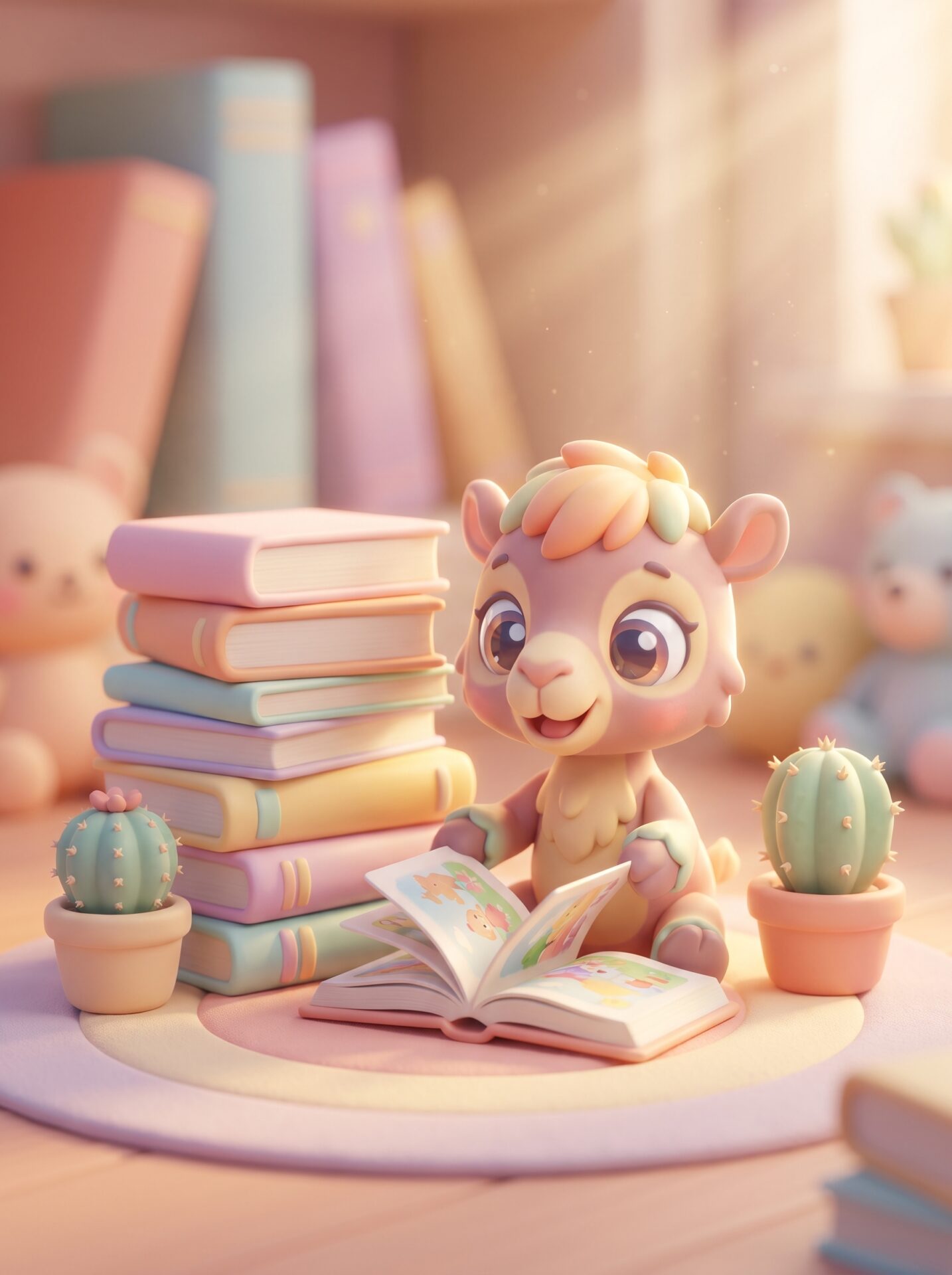
So when my son asked where all my books came from, I didn’t want to just answer the question. I wanted him to feel what I felt walking into that building. That’s the whole reason Carlos the Camel exists.
Key takeaways
- Carlos the Camel grew out of a real question my son asked me about my own childhood.
- The story is about building a library, and about what it means to have a place full of stories that belong to everyone.
- I’m still not sure the message has fully landed with him yet, and I think that’s fine. Some stories work slowly.
- Read Carlos the Camel free with Kindle Unlimited, or find it at the link below.
The story behind the story
I’ll be honest about something most authors probably wouldn’t admit: I’m not entirely sure Carlos worked the way I hoped it would, at least not yet. My son didn’t come away asking a hundred questions about libraries the way he does after some of the other books. He listened, he liked it fine, and that was mostly that.
But here’s what I’ve noticed with him, and maybe with most kids. A story doesn’t always land the day you tell it. Sometimes it sits somewhere and shows up later, sideways, in a comment he makes about sharing a toy or waiting his turn. I’ve decided not to treat Carlos as a one-read book. We’re going back to it every so often, the way I went back to that library building over and over as a kid without really noticing I was building a habit.
In the story, Carlos and his animal friends don’t just find a library. They build one, together, gathering books from wherever they can and figuring out how to share them. That part wasn’t an accident. Libraries only work because a room full of strangers agrees to take turns. That’s a bigger idea than it sounds like for a four-year-old, and I wanted him to meet it early, wrapped in a camel instead of a lecture.
What this one is actually trying to teach
Most of our books carry one lesson. Carlos carries two, which is part of why I like it. There’s the obvious one: reading is worth doing, and it doesn’t have to come from your own shelf to count. And there’s a quieter one underneath: good things last longer when people build them together instead of keeping them to themselves.
I didn’t grow up with a lot of books at home. I grew up with a library card and a bus ride, and a room where nobody minded how many hours I stayed. If that shaped how I see reading now, I wanted my son to have some version of that feeling too, even secondhand, even through a camel with a garden theme he half-remembers from a different book.
Three questions to ask at bedtime
If you read Carlos the Camel with your own kid, here are a few things worth asking afterward. No pressure to get a big answer. Sometimes you get a shrug, and that’s a fine answer too.
- Where do you think Carlos and his friends found all their books?
- What would you want in a library if you got to build one?
- Is there a book you’d want to share with a friend so they could read it too?
A small confession about the pacing
I’ll admit the library idea is a slower burn than, say, a penguin who’s scared of the water. Fear is instant. A love of reading takes longer to show up, and it doesn’t always show up the way you pictured. I wrote Carlos knowing it might be one of those books my son grows into rather than one that hits right away. I’m okay with that. Not every seed needs to sprout the same week you plant it.
FAQ: Carlos the Camel
Is Carlos the Camel based on a true story?
The book itself is a fantasy story about a camel building a library with his animal friends. The idea behind it is true. It came from my own childhood at the Kandy Public Library and a question my son asked me about it.
What age is Carlos the Camel best for?
Like the rest of the Kitty and Dino series, it’s written for ages 3 to 8, and works well as a read-aloud for younger kids in that range.
Can I read Carlos the Camel for free?
Yes. It’s available to read free with Kindle Unlimited, along with most of the 43-book series.
From the Kitty & Dino bookshelf
If building things together is a theme your child responds to, Bramble the Bear carries a similar thread, a story about an old, handwritten book of family recipes and the people who kept it going. And if you want to keep the reading-habit theme going after Carlos, Melody the Babbler, one of the earliest books in this series, is about what happens when a small daily song almost disappears, and what it takes to bring it back.
You can read Carlos the Camel’s full story, or start anywhere in the series, on the Carlos the Camel book page. It’s free to read with Kindle Unlimited, or available on Amazon.


Pingback: Why Kids Take Things Apart | Kitty & Dino