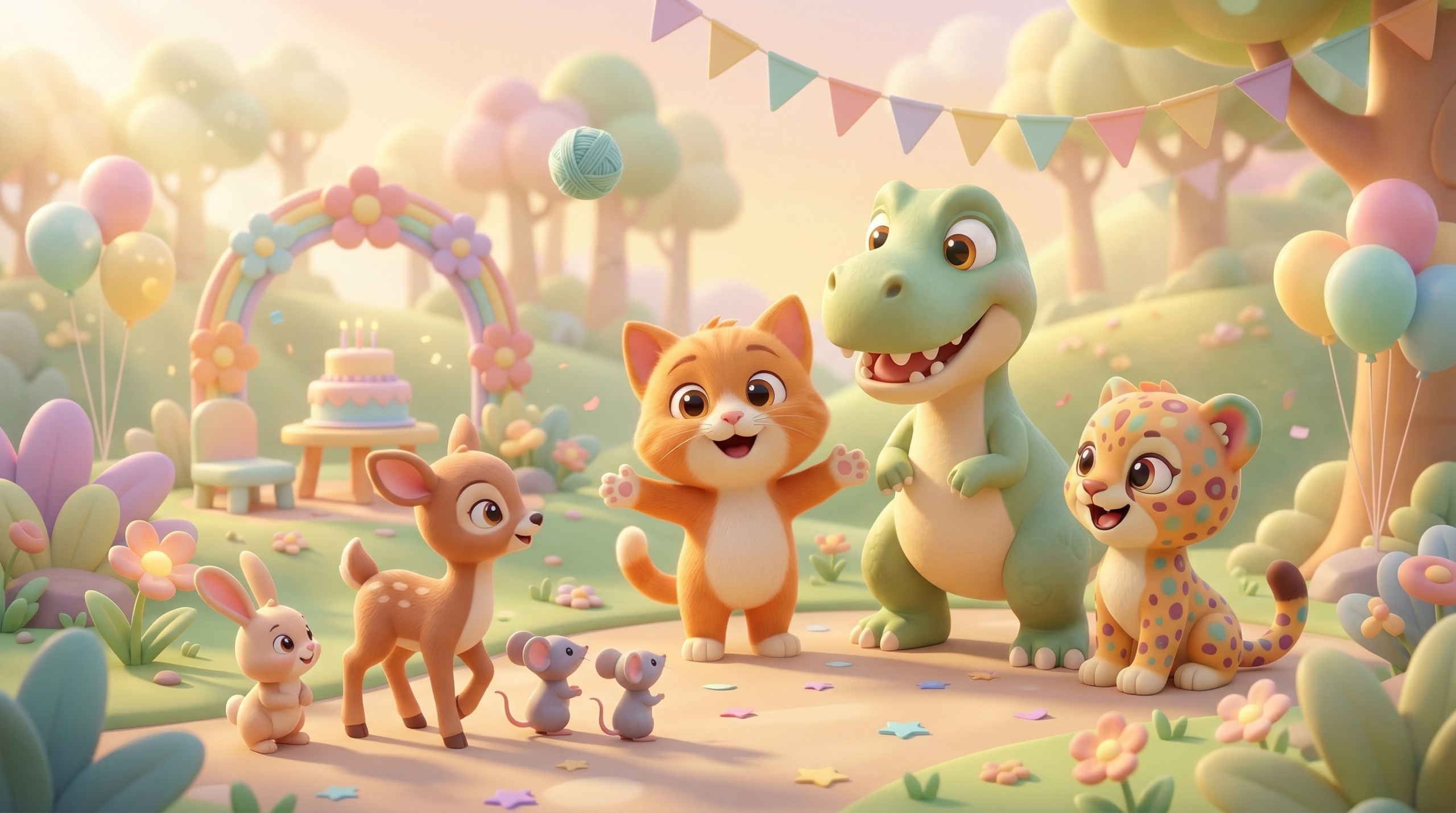
Teaching Kids About Responsibility Through Magical Animal Friendships
Children’s books about animal friendships are one of the most effective tools for teaching responsibility. When a child follows Kitty and Dino as they help Gordon the Rooster reunite with his magical garden plants, they learn that every creature and every plant deserves care and attention. This is not a lecture. It is a story that sneaks the lesson in through wonder and adventure, which is exactly why it works so well for children ages 3 to 8.
You can find Gordon the Rooster on Amazon or learn more at kittyanddino.com.
Key Takeaways
-
How do children’s books about animals teach responsibility?
Animal stories show kids caring for creatures and plants, building empathy and responsibility naturally through engaging narratives. -
What age is best for teaching responsibility through stories?
Ages 3-8 are ideal. The prefrontal cortex is developing during these years, making story-based lessons more impactful than direct instruction. -
Why do magical elements help children learn?
Magical settings reduce resistance to lessons. Kids absorb “care for others” messages through wonder, not nagging.
Why Children Love Animal Friendship Stories
There is something timeless about a story where animals help each other. In Gordon the Rooster, the adventure starts when Gordon’s garden plants grow legs and wander off at night. The plants are not being naughty. They are just being plants that suddenly discovered they could move. But Gordon loves them, and he needs help keeping them safe.
When Kitty and Dino arrive, they do not scold the plants or tell Gordon to fence them in. Instead, they listen. They talk to the plants and figure out what the plants actually want: a place to play at night and a way to get home safely.
This is a subtle but powerful lesson for children. Responsibility is not about control. It is about understanding what something needs and then creating the conditions for it to thrive.
What makes animal stories so engaging for kids?
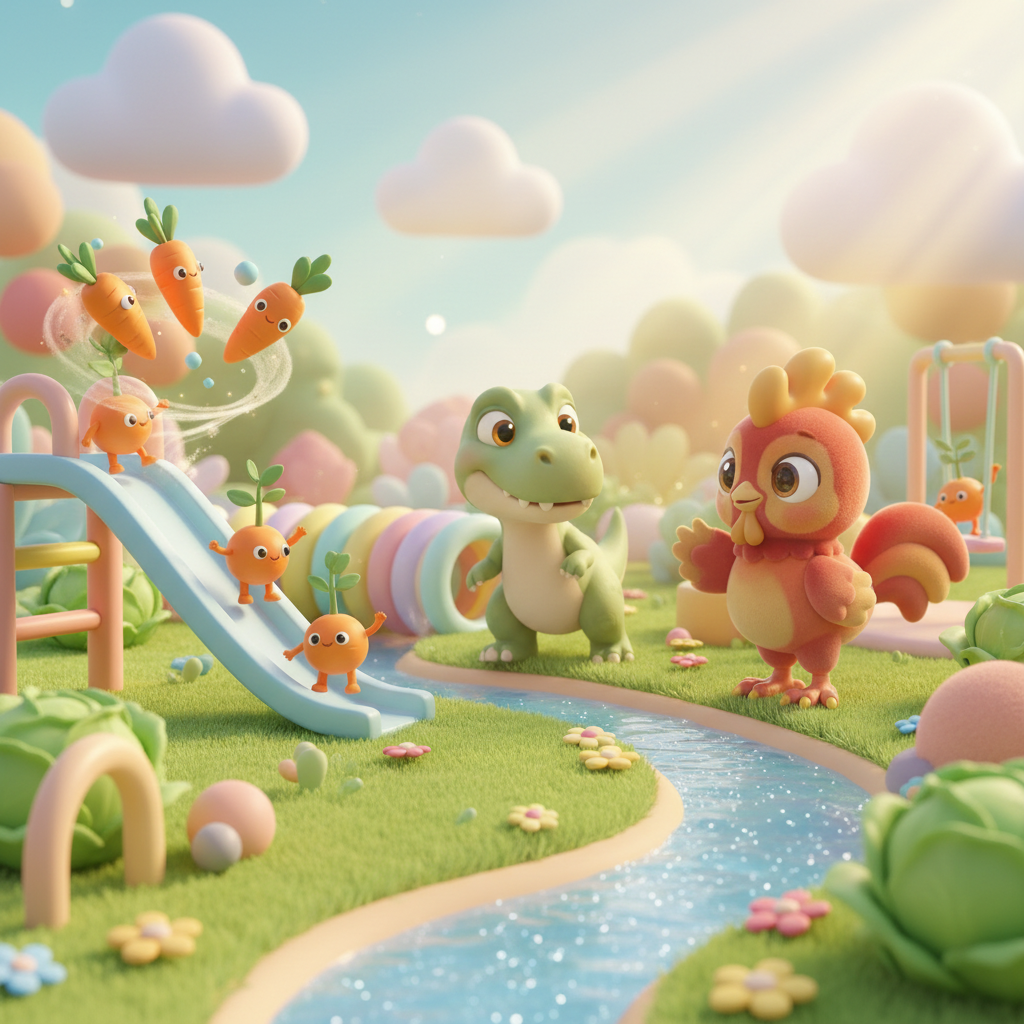
Children connect with animals because animals do not moralize. A cat does not lecture. A dinosaur does not give a speech about consequences. They just act, and kids follow along. In the Gordon the Rooster story, Kitty uses her tail to create a glowing wind that clears space for a playground. Dino grows slides and tunnels from the earth with his green-glowing hands. The plants dance and play tag. There is no lecture anywhere, but the message lands anyway.
That is the trick. The lesson hides inside the adventure.
How Magical Stories Teach Real-Life Lessons
Many parents worry that magical stories are escapism. The opposite is often true. A magical story gives children permission to think about real problems in a safe context. Gordon’s plants wandering off is really about things you care about getting lost or hurt. The solution, built by Kitty and Dino, is about creating systems that keep things safe without trapping them.
Kitty creates a sparkling water stream that flows around both gardens. When the plants follow the stream at night, they always end up back where they belong. Dino builds a plant playground so the plants have somewhere fun to go. Together, Kitty and Dino solve the problem not by locking things down but by making the right choice the easy and fun choice.
Can fantasy stories teach real responsibility?
Yes, and here is why. Children learn through simulation. They practice social scenarios in their heads by watching characters navigate similar situations. When they see Kitty and Dino figure out what the plants need and then build something to meet those needs, they are rehearsing the exact cognitive pattern that responsible behavior requires: observe, understand, act.
You can use this story at bedtime to start a conversation. Ask your child: “What do you think the plants needed?” You might be surprised what they say.
The Best Animal Friendships in Children’s Literature
The magical animal friendship genre works best when the friendship has a real purpose. Kitty and Dino do not just show up and wave goodbye. They diagnose the problem, propose a solution, and see it through. That is what makes their friendship with Gordon meaningful.
Gordon the Rooster stands out in this genre because of its origin. Asanga Wijeratne, the author, wrote this story after his father-in-law rescued a rooster from being killed. The rooster got to live, and that sparked a conversation with his son about how every living thing deserves a chance. That “every life matters” theme runs through the entire book.
There are not many children’s books about roosters, and there are almost none that combine a rooster with magical garden plants and animal friendship. This makes it a unique addition to any bedtime routine.
What books feature the best animal friendships?
The best animal friendship books share a few traits. The characters have complementary skills. Kitty controls wind and water. Dino grows plants. Gordon knows his garden. Together, they solve a problem none of them could solve alone. Look for books that show teamwork without flattening the individual characters. The magic in these stories comes from people being good at different things and needing each other.
How to Choose the Right Book for Your Child
When picking a book about responsibility, look for stories where characters earn trust through action, not through being told they are good. In Gordon the Rooster, Gordon is worried and frustrated at the start. He has tried to solve the problem himself and failed. That vulnerability makes the resolution meaningful.
Also look for books where the lesson is embedded in the plot, not delivered as a punchline. The worst responsibility books are the ones that end with a character saying, “I learned that sharing is good.” The best ones, like Gordon the Rooster, let the lesson live in the story itself.
Read it with your child. Watch what they react to. You might find that the sparkling water stream is what sticks with them, or the part where the plants play tag in Gordon’s garden. Those are the entry points for deeper conversations about care, safety, and responsibility.
TL;DR
- Animal friendship stories naturally teach responsibility without lecturing
- Magical elements make lessons engaging and memorable for ages 3-8
- Gordon the Rooster exemplifies “every life matters” through plant rescue
- Kitty and Dino’s teamwork shows responsibility as understanding needs and building solutions
- Perfect for bedtime reading and starting real conversations with your child