
3 min read
Interactive storytime means engaging your child in the story, not just reading to them. Ask questions, use voices, and let them participate. This transforms passive listening into active learning.
Key Takeaways
Q: How do I get my child to focus during storytime?
A: Use interactive techniques like asking prediction questions, using character voices, and letting them turn pages.
Q: At what age can kids follow stories?
A: Around age 3, children can follow simple narratives. Interactive methods work best at this stage.
Q: Why is my toddler not interested in books?
A: Passive reading often loses their attention. They need engagement—questions, voices, and participation.
Why Traditional Storytime Falls Flat
Reading aloud in a monotone voice while your child fiddles with toys isn’t storytime—it’s background noise. The problem isn’t your child’s attention span. It’s the delivery.
Interactive storytime fixes this by making your child an active participant.
5 Interactive Techniques That Work
1. The Prediction Pause
Stop at cliffhangers and ask, “What do you think happens next?”
In Gordon the Rooster, when Gordon’s magical plants start walking away, pause. Let your child guess where they’re going. This builds comprehension and keeps them engaged.
2. Character Voices 101
You don’t need theater training. Just change your pitch slightly for each character.
- Gordon (the rooster): Confident, slightly bossy
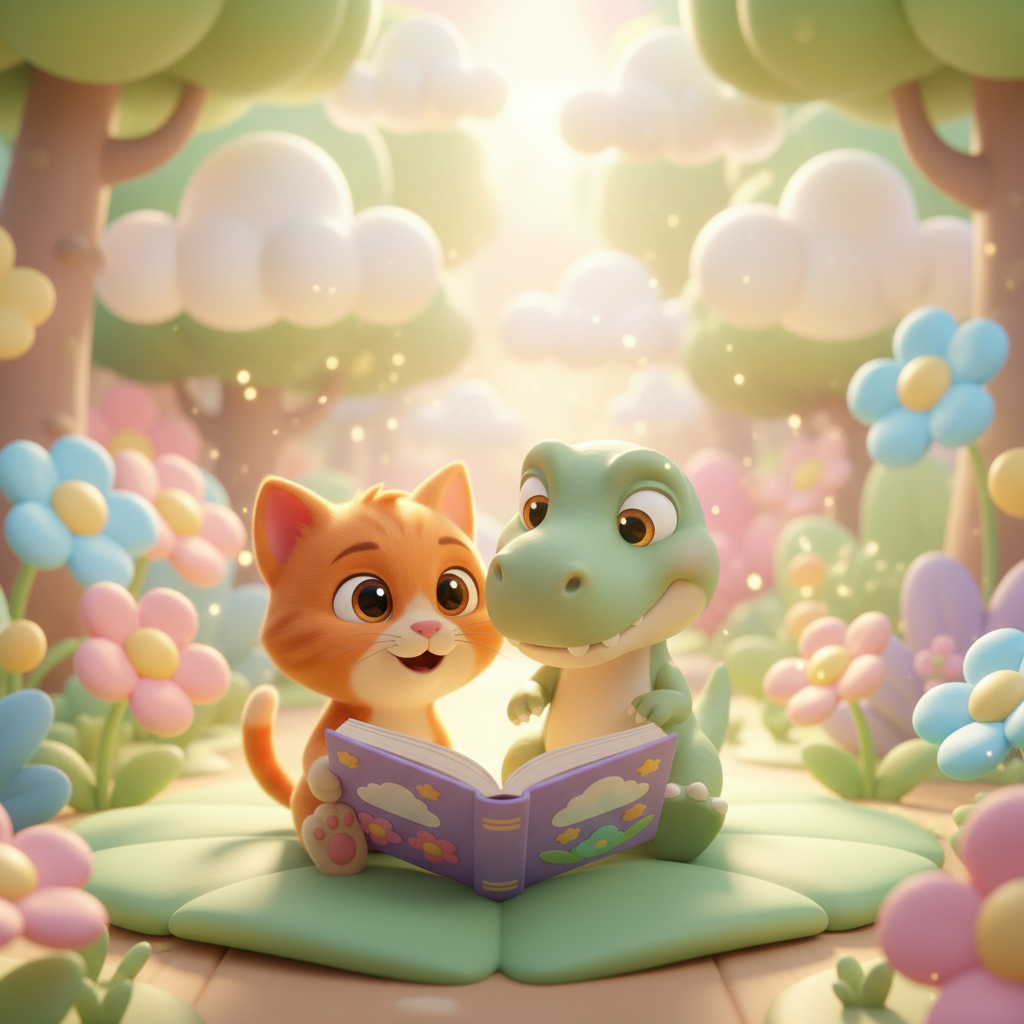
- Kitty (the cat): Gentle, helpful
- Dino (the dinosaur): Enthusiastic, warm
Your child will start anticipating voices and paying closer attention to dialogue.
3. The Page-Turner
Let your toddler turn pages. It sounds simple, but physical participation keeps them anchored to the story.
Pro tip: Pause your reading until they turn the page. This teaches that the story continues with their participation.
4. Point and Describe
Instead of just reading text, point to illustrations and describe what you see.
“Look at Gordon’s golden comb. It’s glowing because his garden is magical. What colors do you see in the flowers?”
This builds vocabulary and visual literacy.
5. The Story Extension
After finishing Gordon the Rooster, ask: “What would you plant in a magical garden?”
This extends engagement beyond the book and encourages creative thinking.
People Also Ask
Q: Should I correct my child if they guess wrong about the story?
A: Never say “wrong.” Say “That’s an interesting idea! Let’s see what happens.” Prediction is about engagement, not accuracy.
Q: How long should interactive storytime last?
A: 10-15 minutes for 3-4 year olds. Stop while they’re still interested, not when they’re bored.
Q: What if my child interrupts constantly?
A: That’s engagement! Answer briefly and return to the story. Interruptions mean they’re processing and connecting.
TL;DR
- Pause for predictions — ask “what happens next?”
- Use simple character voices — pitch changes work fine
- Let them turn pages — physical participation matters
- Point and describe illustrations — build vocabulary
- Extend the story — ask creative follow-up questions
Try it today. Pick up Gordon the Rooster or another favorite book and use just one of these techniques. Watch your child’s attention transform.
Find more interactive storytime tips at kittyanddino.com or get Gordon the Rooster on Amazon for your next reading session.
From the Kitty & Dino bookshelf
Gentle picture books that bring this to life for ages 3–8:


