
5 min read
How to Build a Cozy Reading Nook in Any Space
Not everyone has a spare room to transform into a library. Most of us are working with corners, nooks, and the reality of toys that seem to multiply overnight. But here’s the thing: you don’t need much space to create something magical.
A reading nook isn’t about square footage. It’s about intention. A signal to your child (and to you) that this spot, this small corner of the world, is for slowing down and stories.
What Makes a Reading Nook Work
Before we talk about where to put it, let’s talk about what actually matters. Through trial and plenty of error, I’ve found that effective reading spaces share four qualities:
Comfort that invites lingering. If the seating is too small, too hard, or positioned awkwardly, children won’t stay. Floor cushions, bean bags, repurposed chairs, or even a thick folded blanket can work. The goal is “I want to sink into this.”
Good enough light. Natural light is ideal, but a simple clip-on book light or soft lamp does wonders. Dim reading strains young eyes and signals sleep—not engagement.
Proximity to books. The books need to be accessible. A low basket, a small shelf, even a cardboard box with the covers facing out. If children can’t see their options, they won’t choose to read.
A sense of enclosure. This is the secret ingredient. A nook that feels “contained”—under a table, in a corner, behind a chair—feels safer and more special than an open space.
Small Space Solutions That Actually Work
The Closet Conversion: Remove the door from a small closet (or leave it open), add a cushion to the floor, mount a narrow shelf at child height. Suddenly, you have a reading hideaway that takes zero additional floor space.
The Under-Stairs Nook: That awkward triangular space becomes magical with a cushion, some string lights, and a basket of books.
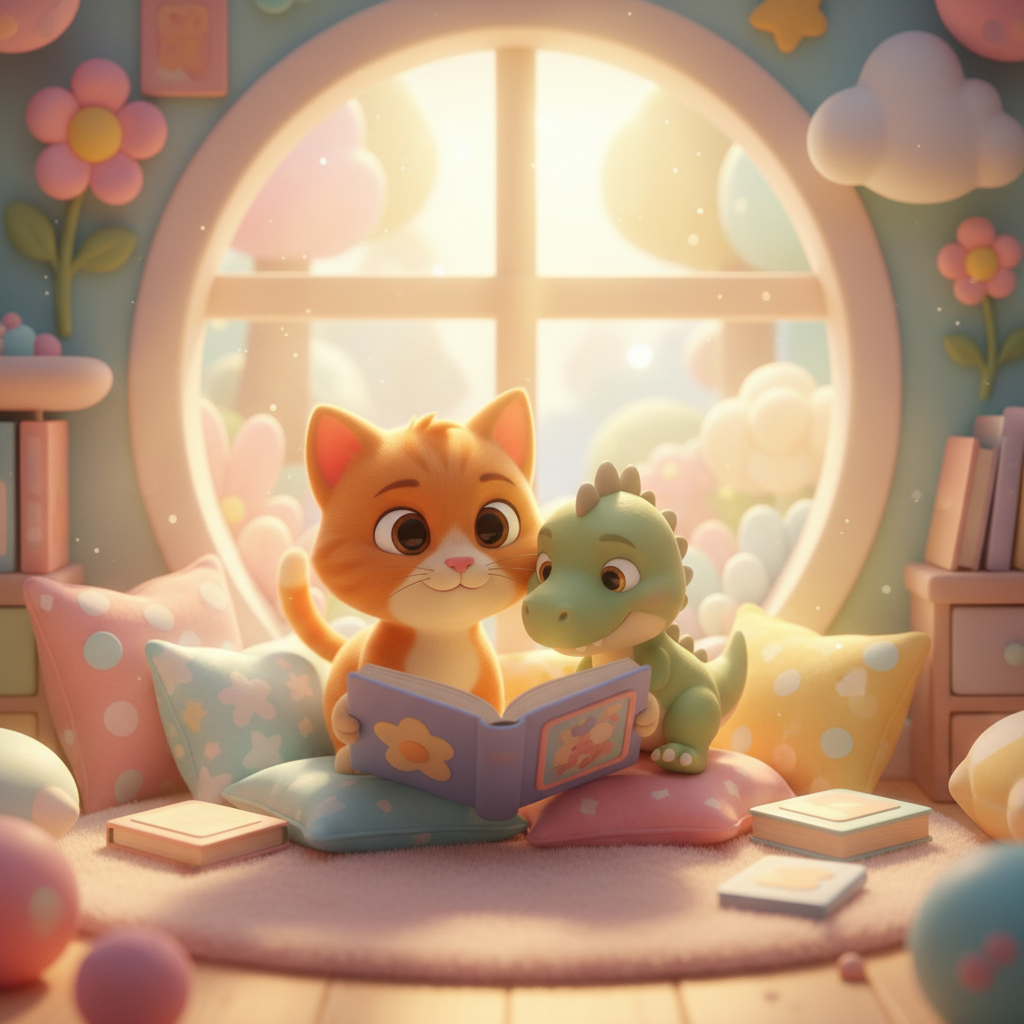
The Window Seat: If you have any window with even a foot of ledge, add a cushion. Natural light + cozy seating = reading gold.
The Tent Transformation: A simple blanket draped over two chairs creates instant enclosure. Add a pillow and a book basket, and you’ve built a reading fort.
The Hallway Nook: That awkward space at the end of a hallway? Perfect depth for a floor cushion and a wall-mounted book sling.
What About Tiny Apartments?
When every inch counts, you need furniture that does double duty. Storage ottomans hold books inside and provide seating on top. A window seat with built-in storage. Even a sturdy suitcase can become a book box that slides under a bed.
The reading nook doesn’t need to be permanent. A “reading basket” that comes out after dinner—a special cushion, a book light, a few selected titles—creates ritual without requiring dedicated space.
Keeping It Fresh
Once you’ve built the nook, rotate the books. Not all at once—just a few new titles swapped in every couple of weeks. Familiar favorites stay; fresh options appear. This keeps the space feeling alive.
Also: let your child contribute to the space. A drawing taped to the wall. A stuffed animal “reading buddy.” The blanket they picked out. Ownership deepens attachment.
Key Takeaways
- Space is optional; intention is required. A corner with purpose beats a room without it.
- Four elements matter: comfort, light, accessible books, and enclosure.
- Tiny solutions work: under tables, in closets, at window ledges, or even in portable baskets.
People Also Ask
What age should a child have a reading nook?
As soon as they can sit up and interact with books—around 6-12 months. Early exposure to a “book space” builds positive associations with reading. For infants, it’s more about the coziness and your presence. As they grow, the nook becomes theirs.
How many books should be in a reading nook?
Quality over quantity. Start with 5-10 well-chosen books and rotate regularly. Too many options overwhelm young children. Display covers facing outward so they can browse visually. A small, curated collection beats a overflowing shelf.
Does a reading nook really encourage more reading?
Research suggests yes. Environmental cues matter. When a space signals “this is for books,” children are more likely to choose reading. It’s not magic—it removes friction. The books are there, the space invites settling in, and the routine gets reinforced.
The Real Value
Here’s what I’ve learned: the reading nook isn’t really about the space. It’s about what it represents. A place where the world slows down. Where your attention is fully available. Where stories happen, both from books and between you.
That can happen anywhere. Under a blanket fort. In a closet. On a couch. The magic isn’t in the architecture. It’s in the showing up.
Build something small. Make it cozy. Keep it simple. The reading will follow.
TL;DR
Quick Summary:
- You need comfort, light, accessible books, and enclosure—not space
- Solutions for tiny spaces: closets, under tables, window seats, blanket forts
- Rotate books regularly to keep the space engaging
- Let children contribute to the space for ownership
Where’s your reading nook? Share your creative small-space solutions!
Related Reading
From the Kitty & Dino bookshelf
Gentle picture books that bring this to life for ages 3–8:


