# When Your Plants Walk Away: A Playful Way to Teach Kids to Solve Problems Together
🎯 Key Takeaways
- Who is this for? Ages 3-8 — perfect for bedtime reading and young readers.
- What will you learn? Practical parenting tips and insights for raising readers.
- Why it matters: Evidence-based strategies to help your child develop a love of reading.
Problem solving children’s book | Teamwork kids book | Teaching creative thinking through bedtime stories
📌 Quick Answers
What will I learn from this post? Gordon the Rooster shows kids that great friends don’t just feel for you — they think with you. Problem-solving with kids works best when you listen first, then build together, and make your solution welcoming — not forced.
What is Gordon the Rooster about? When Gordon’s garden plants walk away, Kitty and Dino build a plant playground so joyful that the plants want to come back on their own. It’s a story about asking for help, thinking together, and creating something that calls what you love back home.
How can I use this with my child? Turn every bedtime story into a problem-solving exercise by asking “What would YOU have built?”
Your garden plants have legs.
They’ve shuffled off in every direction. Your best friend is heartbroken. His garden — the one he loves more than anything — is empty.
What do you do?
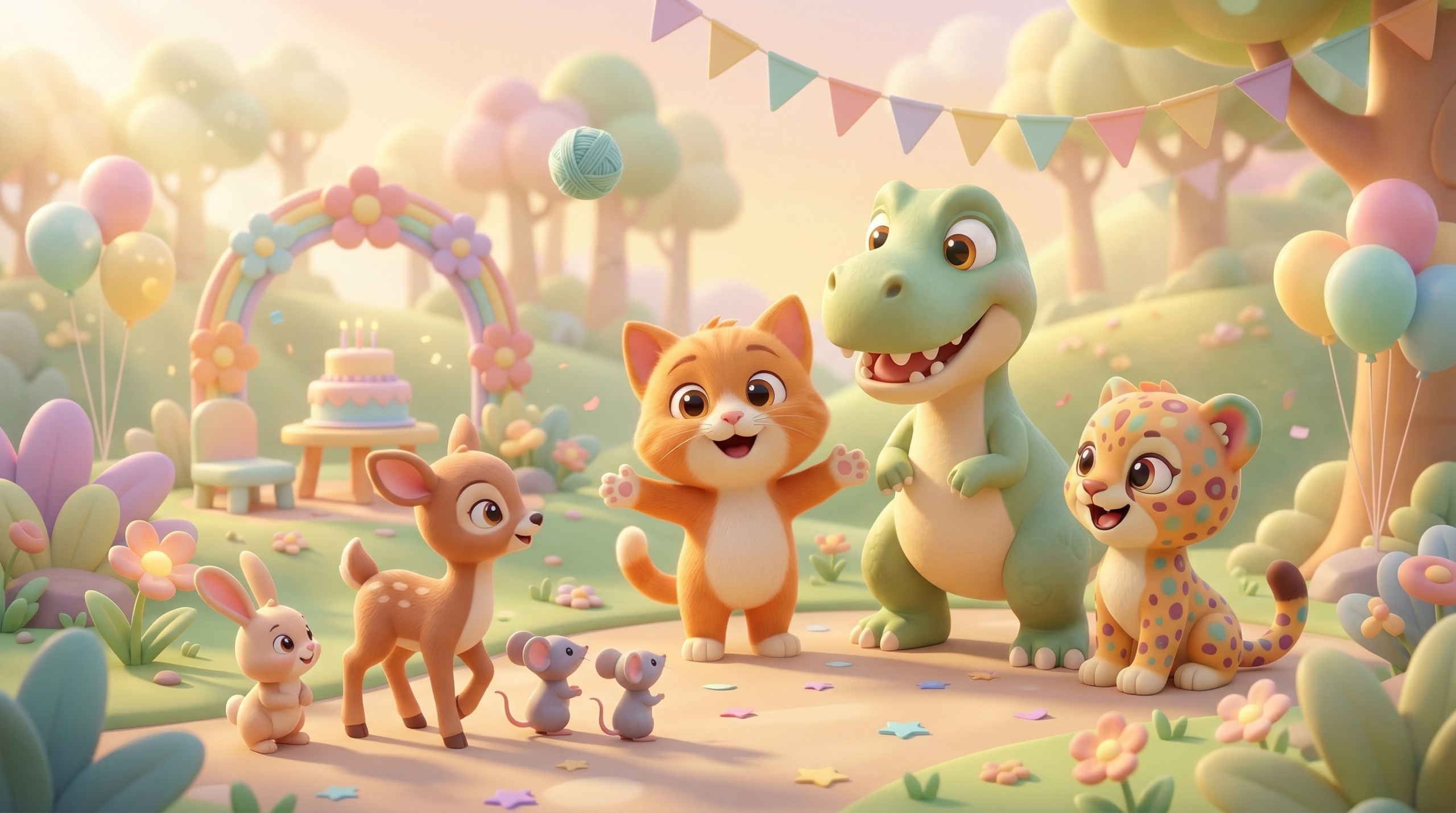
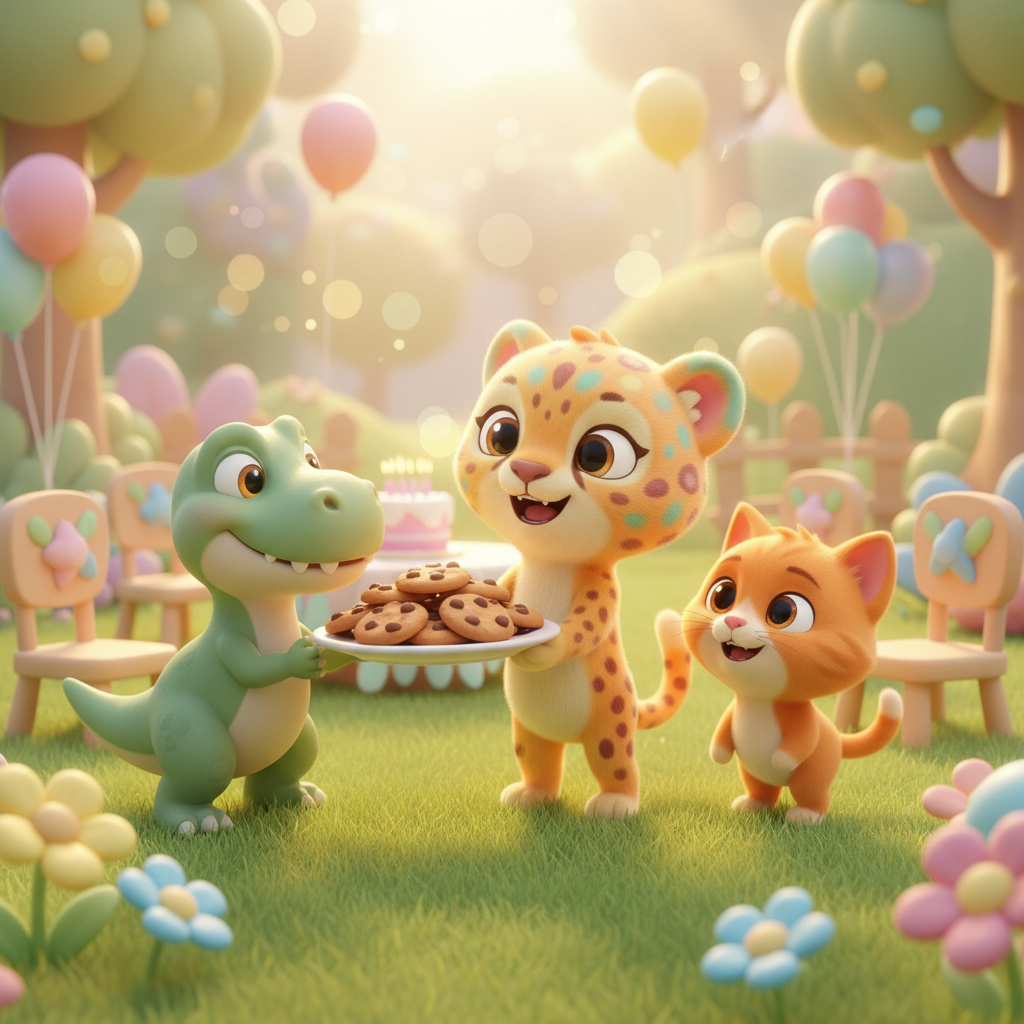
Kitty and Dino don’t panic. They don’t fight over whose fault it is. They don’t give up and say “that’s impossible.” They put their heads together and build something so clever that the plants actually want to come back.
A playground made for plants. A sparkling water stream that catches the morning light.
This is the story of Gordon the Rooster, and it’s one of the best lessons parents can share at bedtime: great friends don’t just feel for you. They think with you.
Why Problem-Solving Is a Parenting Superpower
Kids feel big things. They don’t always have the tools to do anything about those feelings.
As a parent, you can hand them two things that change everything:
Empathy — “I see you’re sad. That makes sense. I’m here.”
Resourcefulness — “Let’s think about what we can actually do.”
Most kids get the first one naturally. They feel things intensely. What they need from us is the second — the sense that feelings are worth taking seriously, and that action follows from caring.
Kitty and Dino model both. They feel for Gordon. But they don’t stop there. They build something. They solve something. And in doing so, they show kids that kindness has legs — it can walk, it can create, it can fix things.
Gordon, meanwhile, models something equally important: admitting when you need help. He doesn’t hide his worry. He doesn’t pretend everything’s fine. He goes to his friends and tells them what’s wrong.
That’s vulnerability. That’s what courage looks like when you’re small and something feels too big.
Together, they give kids a complete emotional toolkit in one story: feel deeply, think clearly, build together.
❓ What are the best books for teaching kindness?
Look for books that show kindness in action — not just characters saying “be kind,” but characters doing kind things. Gordon the Rooster works well because Kitty and Dino don’t just tell Gordon they’re sorry. They build him a playground. The action is the lesson. Other strong choices include books where characters solve problems together, share resources, or invite someone excluded back into the group.
The Step-by-Step Kindness in Gordon’s Story
Here’s what actually happens in the book — and why each step matters:
Step 1 — Listen. Kitty and Dino hear Gordon’s worry. They don’t rush to fix it or explain it away. They let him tell the whole story. That’s the foundation. No listening, no solution.
Step 2 — Don’t fix it alone. Gordon could have tried to chase his plants down by himself. He didn’t. He went to his friends and asked, “What can we build?” That’s the move. Problems shared are problems halved.
Step 3 — Use what they love. The playground isn’t random. Kitty and Dino think about what plants actually enjoy — sunshine, water, room to grow — and build around those things. They solve the problem by thinking from the plants’ perspective, not their own.
Step 4 — Make it welcoming, not forced. The sparkling water stream doesn’t chase the plants. It calls them. It creates something so beautiful that the plants want to come back on their own. That’s not manipulation. That’s invitation. Good problem-solving creates pull, not push.
Step 5 — Celebrate the return. When the plants come back, everyone wins. Gordon gets his garden. Kitty and Dino get to see their solution work. The plants get a playground. Nobody lost. That’s what teamwork actually looks like.
❓ How do you teach empathy to a 4-year-old?
Start with stories that show characters responding to someone else’s feelings. Gordon the Rooster is effective for this age because Gordon’s sadness is visible and concrete — his plants are gone. A 4-year-old can grasp that. After reading, ask simple questions like “How do you think Gordon feels?” and “What would make him feel better?” This builds the habit of considering others’ perspectives before reacting.
Turn This Into a Bedtime Ritual
After you read the story together, ask your child one question: “What would YOU have built?”
Let them answer. Let them draw it if they want to.
Make it a routine — every book gets a new invention. After a month, you’ll have a little notebook full of your child’s ideas. After a year, that’s a record of how their brain grew.
This sounds simple. It is. But simple is how kids learn.
The act of imagining alternatives — “what could we build?” — is the foundation of problem-solving. It exercises the muscle before they need to use it in real situations.
And when those real situations come — a toy that broke, a friendship that strained, something lost that mattered — your child will have practice. The question will be familiar. The thinking will be ready.
❓ Why are animal stories good for teaching empathy?
Animals in stories work especially well for empathy lessons because kids project their own emotions onto them without feeling judged. A rooster worrying about his plants feels approachable and real, not preachy. When kids see Gordon’s sadness and want to help him, they’re practicing empathy in a low-stakes context. That practice builds the habit of noticing how others feel in higher-stakes situations — with siblings, classmates, and eventually adults.
Parenting Is Problem-Solving Too
The next time you’re stuck — at work, with a friend, in the middle of your own garden of responsibilities — think about Gordon. Think about Kitty and Dino building something without knowing if it would work.
Ask yourself: What playground can I build? What stream can I create that’s so full of joy, so genuinely welcoming, that the thing I love comes back on its own?
You might not find the answer right away. That’s fine. The question is the point. The question means you’re still building.
TL;DR
– Gordon shows kids the move: ask for help, think together, and build something that calls the thing you love back home
– Great friends don’t just feel for you — they think with you
– Turn every book into a problem-solving exercise by asking “What would YOU have built?”
Bring Gordon home tonight. Watch it become a favorite — and see what your kid builds because of it.
Add Gordon the Rooster to your Amazon cart → https://www.amazon.com/dp/B0FXTLNWG6
Explore the full Kitty & Dino series → https://kittyanddino.com/
Read more about:
- Kitty and Dino Help Gordon the Rooster (Book Page)
- All Books in the Series
- The Real Story Behind Gordon the Rooster
❓ People Also Ask
What is this article about?
This guide provides practical advice on when your plants walk away: a playful way to teach kids to solve problems together.
Who should read this?
Parents of children ages 3-8 who want to foster a love of reading and learning.
How can I apply these tips?
Start with one small change to your routine and build from there consistently.
Related Articles
Explore more helpful content: