Why Kids Need Magical Stories (And What Happens When We Take Them Away)
Yesterday morning, my son asked me something that stopped me in my tracks. While washing his face before school, he looked up and said, “Will the Tooth Fairy come take my tooth and leave me a new one?”
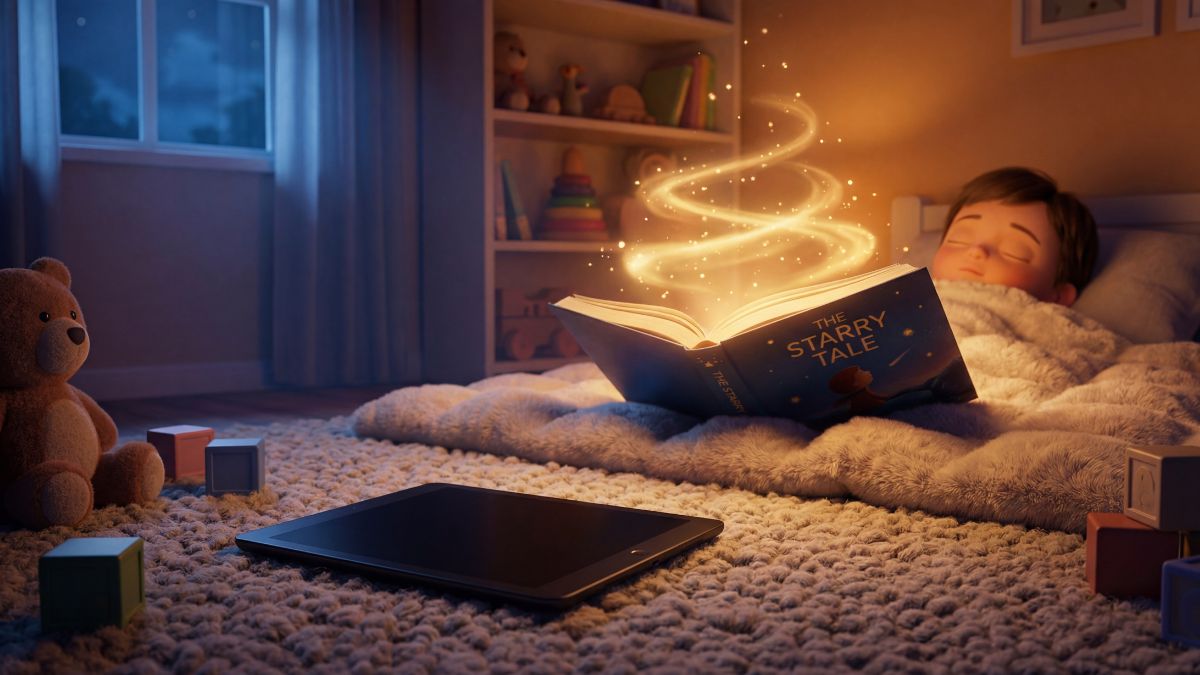
He’s five. His first tooth is loose. And like many children, he’s picked up the magic of the Tooth Fairy from the bedtime stories we read together. Not from me directly—I don’t recall ever teaching him about her. But somewhere between the pages of his bedtime stories, the magic settled into his understanding of the world.
This is what stories do. They don’t just entertain. They create space for wonder.
Why Children Need Magic
There’s a debate among some parents and educators about whether we should only tell children the “truth.” Should we really encourage belief in fairies, magical animals, and impossible adventures when we know they’ll eventually learn these things aren’t “real”?
I think we’re asking the wrong question.
The better question is: What do children gain from magical thinking? And what do they lose when we take it away too soon?
The Creative Foundation
When my son asked about the Tooth Fairy, he wasn’t asking for a biology lesson. He was exploring a worldview where kind, invisible forces watch over children. Where change (losing a tooth) comes with celebration rather than fear. Where the world responds to you with gentleness.
This isn’t about deception. It’s about imagination.
Research consistently shows that children who engage in magical thinking develop stronger creative problem-solving skills. When a child believes a tree might house a fairy, they’re practicing the same mental flexibility that later helps them imagine solutions to real problems.
In Asian cultures, we have rich traditions of magical storytelling. I grew up hearing about Sakra painting the hare on the moon. These aren’t scientific facts—they’re cultural treasures that connect generations through shared imagination. When I tell my son that his guardian fairy watches over him when he does good deeds, I’m not lying. I’m participating in a storytelling tradition that predates written history.
Processing Fear Through Fantasy
My son is at the age where nighttime fears are emerging. Shadows become monsters. The closet becomes suspicious. This is universal childhood territory.
Recently, I wrote a story about a parrot named Sunny who discovers that forest animals aren’t sleeping because the night lights have gone out. The animals are scared of the dark. An elf who used to light up the nights with sparkles has stopped coming.
When I wrote this, I didn’t realize I was drawing from my own childhood. As a child, I had a recurring dream about a ghost under my bed. Every time, I would fight that ghost and chase it away. And if the dream became too intense, I had an escape method—I would float toward a flower bed near my house and wake up.
That flower bed became, in my story, the elf who brings light to scared creatures in the night. The fear was real. The solution was imaginary. Both served their purpose.
This is what magical stories offer: a safe container for working through scary feelings.
What Happens When We Remove Magic Too Early
Children will eventually learn the difference between literal truth and metaphorical truth. They don’t need us to rush that process.
When we prematurely strip away magical thinking, we don’t create more rational children. We often create more anxious ones—children who lose their natural tools for processing emotion before they’ve developed adult-level coping mechanisms.
The child who believes their stuffed animal has feelings is practicing empathy. The child who writes letters to Santa is practicing hope and articulating desires. The child who listens to stories about magical friends helping others is learning that cooperation matters.
These aren’t silly beliefs to be corrected. They’re developmental stepping stones.
How to Nurture Magical Thinking (Without Lying)
You don’t have to pretend magic is objectively real to honor your child’s imagination. Here’s what has worked for me:
Follow their lead. When my son talks about magical things, I respond with curiosity rather than correction. “What do you think the Tooth Fairy does with all those teeth?” This invites him to build his own stories.
Share cultural stories. Myths, legends, and folktales are the original magical stories. They teach children that imagination has deep roots in human culture.
Create together. Some of my favorite moments have been when my son and I invent stories together. Recently, he retold a historical story about a king—but changed it so much he essentially created an entirely new tale. His creativity surprised and delighted me. If you want to understand how children learn through creative exploration, you’ll find it fascinating.
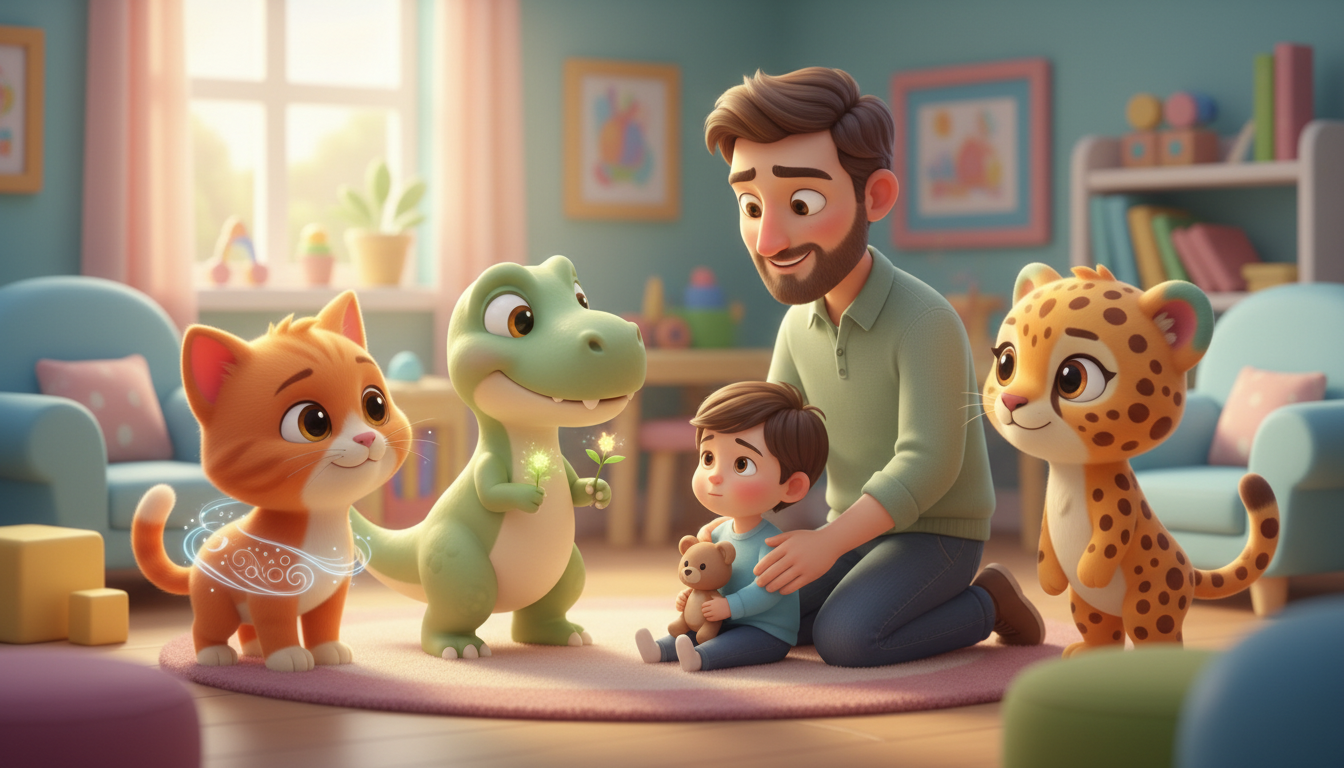
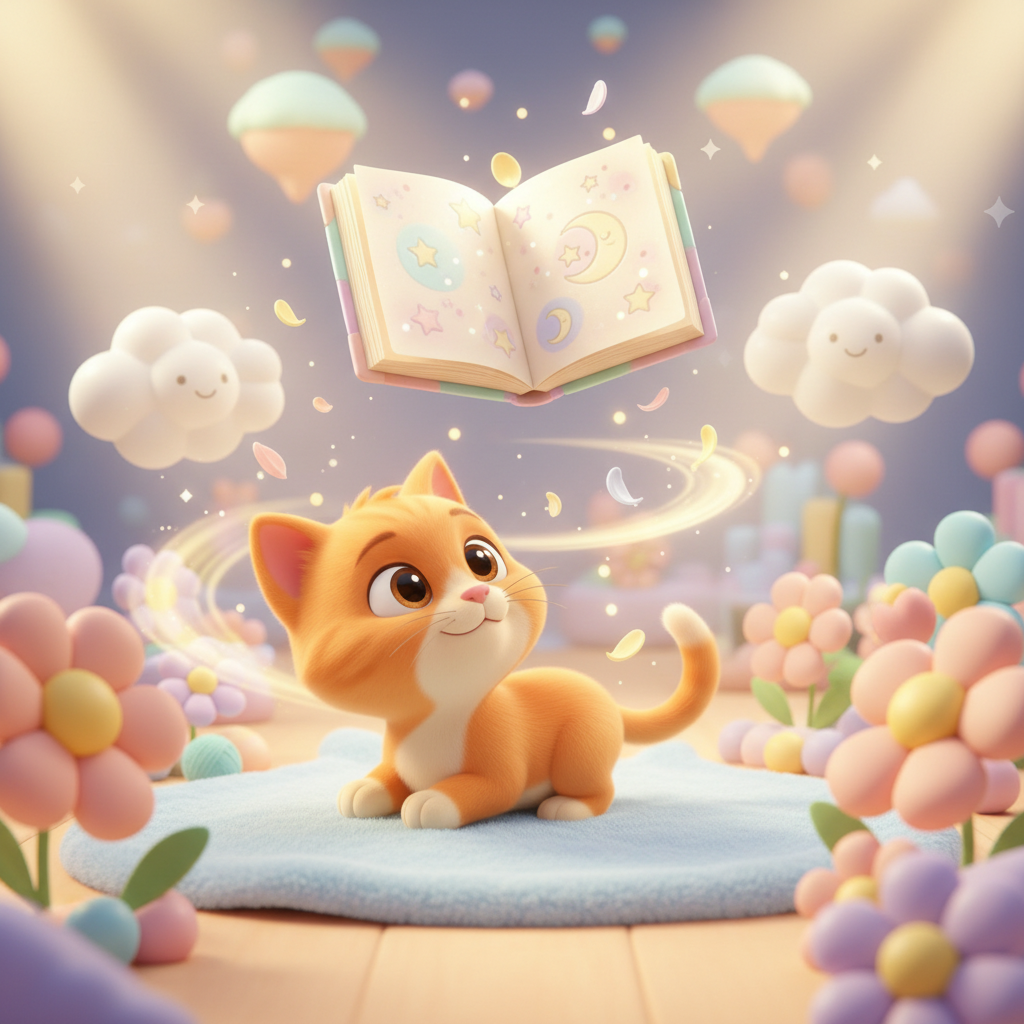
Connect magic to values. In the Kitty & Dino stories, magic always serves kindness. Kitty uses wind powers to help friends. Dino grows plants to feed others. Magic becomes a metaphor for using your unique gifts to support your community. Learn more about the quiet magic of simple play and how it brings joy to children.
The Long View
My son will eventually learn that the Tooth Fairy is a story, not a person. When that happens, I hope what remains is the sense that the world can be gentle, that transitions can be celebrated, and that imagination itself is valuable.
Because that’s the real magic. Not whether fairies exist, but whether children feel empowered to imagine them.
As I often tell my son: “In a world where magic isn’t always visible, we can create our own through thought and storytelling.”
He seems to understand this better than many adults do.
Key Takeaways
Q: Should I tell my child the Tooth Fairy isn’t real?
A: Follow their lead. If they’re engaging with the magic joyfully, there’s no harm in letting them enjoy the story. Children naturally transition to more concrete thinking as they develop.
Q: Won’t magical thinking confuse my child about what’s real?
A: Children are remarkably good at distinguishing between “story real” and “literal real.” Magical thinking actually strengthens their cognitive flexibility and creative problem-solving.
Q: What if I wasn’t raised with magical stories?
A: Start with your own cultural traditions, or explore children’s books together. The magic isn’t in any specific story—it’s in the shared experience of wondering “what if?”
TL;DR
- Magical stories help children process emotions and build creativity
- Cultural traditions of magical storytelling connect generations
- Children naturally outgrow literal magical thinking when they’re ready
- You can nurture imagination without claiming magic is objectively real
- The Kitty & Dino series uses magic as a metaphor for kindness and cooperation
Want more stories that nurture imagination? Explore our collection of magical tales featuring Kitty and Dino—two friends who use their special gifts to help others in their forest community.