TL;DR
Bedtime stories are one of the most powerful parenting tools you have. In just 15-20 minutes a night, you build emotional connection, boost language development, create sleep cues, and give your child a safe space to process big feelings. The key is consistency, not perfection. Some nights you’ll read three books; some nights you’ll manage one page. Both count. Start tonight — your child is ready.
—
The Magic of Bedtime Stories
I’ve found that bedtime stories aren’t just about ending the day — they’re about beginning tomorrow with a child who feels loved, heard, and ready for rest.
As a parent, you’ve probably heard that reading to your child is important. But between bath time, dinner, homework, and the thousand other things demanding your attention, it’s easy for bedtime reading to feel like one more task on an endless list.
Here’s what I’ve learned: those 15 minutes of reading together might be the most important 15 minutes of your entire day.
—
Why Bedtime Stories Matter (More Than You Think)
They Build Emotional Connection
In my experience, bedtime stories create a unique kind of closeness. When you sit with your child, book open on your lap, you’re giving them something rare in today’s world: your full, undivided attention.
No phone notifications. No multitasking. Just you, your child, and a story.
This matters more than you might think. Children who feel emotionally connected to their parents have better outcomes across the board — better behavior, better school performance, better mental health. Bedtime stories create that connection, night after night.
They Develop Language at Lightning Speed
Children absorb language through exposure. Every book you read introduces new vocabulary, sentence structures, and ways of thinking that your child wouldn’t encounter in everyday conversation.
Research shows that children who are read to regularly develop larger vocabularies, stronger grammar skills, and better reading comprehension — all before they even start school. And these advantages compound over time.
I’ve found that even books that seem “too simple” teach important lessons about rhythm, rhyme, and the flow of language. A child who hears “Goodnight Moon” 50 times internalizes patterns that make learning to read easier later.
They Create Powerful Sleep Cues
Bedtime stories signal to your child’s brain that sleep is coming. The routine of brushing teeth, putting on pajamas, and settling in with a book creates a predictable sequence that helps children wind down.
In my experience, children with consistent bedtime routines fall asleep faster and sleep better than children without them. The story becomes part of the rhythm — a cue that it’s time to shift from the busy day to quiet rest.
This isn’t just psychological. Sleep experts recommend consistent pre-sleep routines because they help regulate circadian rhythms and improve sleep quality. Bedtime stories aren’t just sweet; they’re scientifically smart.
They Give Children a Safe Space for Big Feelings
Stories let children explore emotions safely. When a character in a book feels scared, angry, or sad, your child can process those feelings without having to experience the scary situation directly.
I’ve found that children often open up during or after stories in ways they don’t during regular conversation. A book about a character who’s nervous about school might prompt your child to share their own worries. A story about friendship might lead to questions about playground dynamics.
Bedtime stories create space for these conversations — quietly, naturally, without pressure.
—
How to Make Bedtime Stories Stick
Start Small and Build the Habit
Don’t aim for hour-long reading sessions. Start with 5-10 minutes. One short book. Even just looking at pictures together counts.
The goal isn’t to read a certain number of pages; it’s to establish the routine. Once the habit forms, you can naturally extend the time.
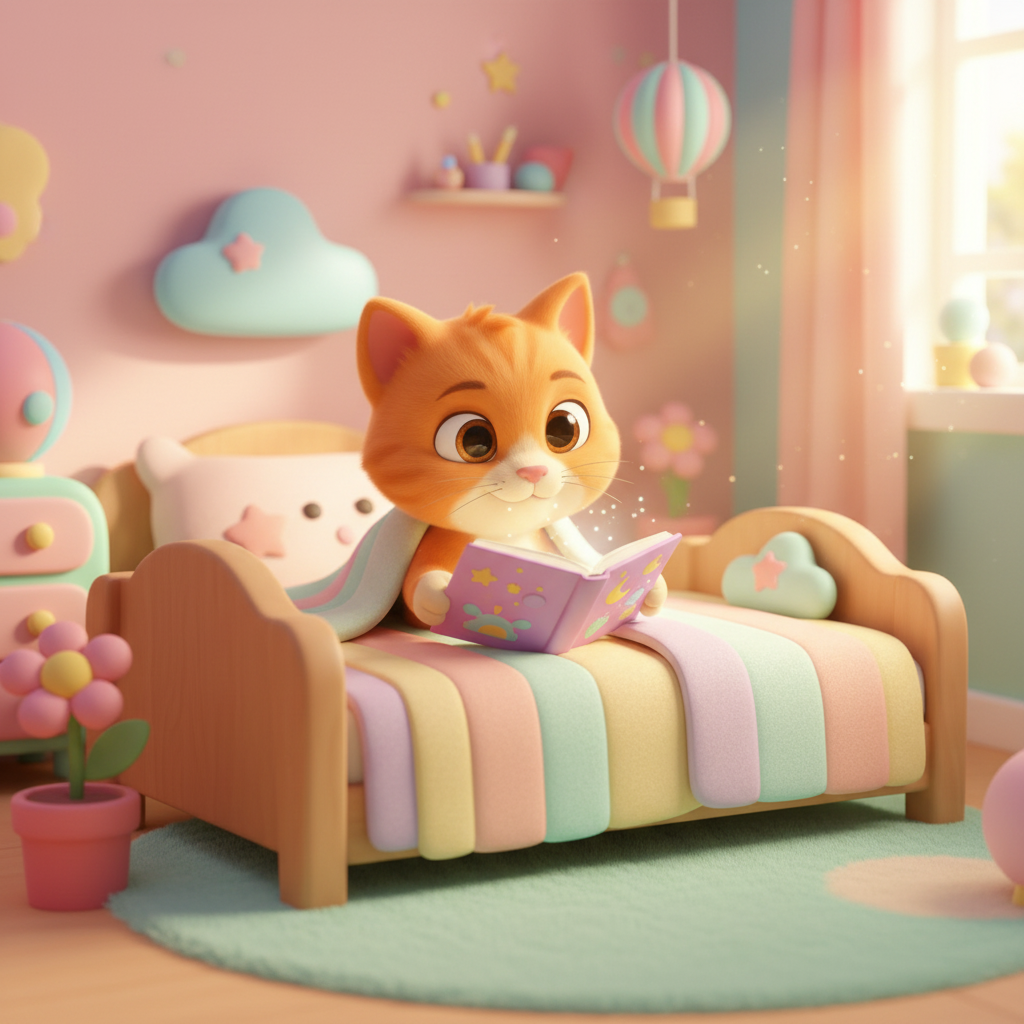
Create a Cozy Reading Spot
In my experience, having a dedicated reading spot makes a difference. It could be a special chair, a pile of pillows on the floor, or just “your” side of the bed. The location matters less than the consistency.
When you sit in your reading spot, your child’s brain starts to associate that place with stories and closeness. It becomes a cue: story time is happening.
Let Your Child Choose (Within Reason)
Choice matters. When children pick their own books, they’re more engaged. But too much choice can overwhelm.
I recommend offering 2-3 options and letting your child pick. This gives them autonomy without creating decision paralysis. Rotate books regularly so there’s always something “new” to choose.
Don’t Worry About Perfection
Some nights, your child will be squirmy and distracted. Some nights, you’ll be exhausted and reading on autopilot. Some nights, you’ll skip stories entirely.
That’s okay.
In my experience, what matters is the overall pattern, not each individual night. A child who hears bedtime stories most nights develops the same benefits as a child who hears them every single night. Consistency over time is what counts.
Make It Interactive
Reading isn’t passive. Ask questions: “What do you think will happen next?” “How do you think the bear feels?” “Have you ever felt that way?”
Let your child turn pages. Point to pictures. Make sound effects. The more involved your child is, the more they’ll get from the experience — and the more they’ll want to come back tomorrow.
—
Bedtime Stories at Every Age
Babies (0-12 months)
Babies don’t understand the story, but they benefit from hearing your voice, seeing high-contrast images, and experiencing the rhythm of language. Board books with simple pictures work best. The goal here is establishing the routine and the emotional connection.
Toddlers (1-3 years)
Toddlers love repetition, rhyme, and books about things they know — animals, vehicles, daily routines. They want to “read” along, pointing to pictures and saying words they recognize. Interactive books (lift-the-flap, touch-and-feel) keep them engaged.
Preschoolers (3-5 years)
Preschoolers can follow simple narratives. They enjoy stories about feelings, friendships, and problem-solving. They ask questions and make predictions. This is when you can start having real conversations about what’s happening in the story.
Early Readers (5-8 years)
Early readers are developing their own reading skills, but bedtime stories remain important. You can take turns reading, or you read while they follow along. Chapter books work well at this age — you read a chapter a night, creating anticipation for tomorrow’s story time.
—
People Also Ask
How long should bedtime stories be?
For ages 0-2, 5-10 minutes is plenty. For ages 3-5, aim for 10-15 minutes. For ages 5-8, you might extend to 20 minutes with chapter books. The key is stopping before your child loses interest — leave them wanting more, not checking out.
What if my child keeps asking for “one more book”?
This is common and often a delay tactic. I recommend setting a clear limit: “We read two books at bedtime. You can pick which two.” Consistency helps children understand boundaries. If you sometimes give in and sometimes don’t, the negotiation continues.
Should I read the same book over and over?
Yes! Repetition is how children learn. They notice new details each time. They memorize phrases and feel proud when they can “read” along. The 100th reading of the same book is doing more for their development than you might think.
What if I don’t have time for bedtime stories?
Start with just 5 minutes. Even one short book counts. If evenings are impossible, try reading at another time — breakfast, after school, before dinner. The benefits come from regular reading, not necessarily bedtime reading.
Can audiobooks replace reading aloud?
Audiobooks have value, but they don’t replace reading aloud. When you read, your child sees your face, watches your expressions, and experiences shared attention. They can ask questions, point to pictures, and connect with you directly. Audiobooks are a supplement, not a replacement.
My child won’t sit still for stories. What do I do?
Try shorter books. Let them hold a toy while listening. Read while they color or build blocks. Some children listen better when their hands are busy. And remember: squirmy listening is still listening. They’re getting more than you think.
—
Make Tonight Count
Bedtime stories aren’t about educational outcomes alone. They’re about the feeling your child gets when you sit down with them, book in hand, ready to enter a story together. They’re about the inside jokes you’ll develop from favorite books. They’re about the questions your child will ask and the conversations you’ll have.
In my experience, parents who prioritize bedtime stories don’t regret it. The 15 minutes you invest tonight builds connection, language, and memories that last far beyond childhood.
You don’t need the perfect book or the perfect reading spot or the perfect routine. You just need to start. Tonight, open a book with your child. See what happens.
For more tips on building reading routines and discovering great books, visit kittyanddino.com.
Looking for books your child will love at bedtime? See our guide to What Makes a Good Picture Book for 3-5 Year Olds.