Why Personalized Books Make Perfect Birthday Gifts (A Dad’s Story)
I didn’t set out to start a children’s book brand. I just wanted stories that felt like they were written for my son.
When his fourth birthday rolled around, I looked at the gift options and felt frustrated. Plastic toys that would break. Trendy gadgets he’d forget about in a week. Generic books that didn’t speak to who he actually was.
So I started writing. And I discovered something that changed how I think about children’s books entirely.
Key Takeaways
Quick answers for busy parents:
Personalized books boost self-esteem by making children the heroes of their own stories. When kids see their experiences reflected in books, they feel understood and validated.
Ages 3-8 see the strongest impact. Three-year-olds light up at name recognition. Eight-year-olds treasure keepsake books as they transition to more independent reading.
Yes. Children show measurably higher engagement with stories that feel relevant to their lives. Personalized books get requested more often and remembered longer.
The Problem With Generic Birthday Gifts
Let’s be honest: most birthday gifts for kids are forgettable.
The trendy toy from six months ago? Outgrown. The electronic gadget? Batteries dead, forgotten in a drawer. The generic book? Read once, shelved, never touched again.
This isn’t a criticism of gift-givers. It’s a reflection of how hard it is to find meaningful presents for children we care about. We want gifts that say “I know you. I see you. I thought about what would actually matter to you.”
But most gifts say: “I bought what was available.”
When my son turned four, I didn’t want to give him another disposable toy. I wanted to give him something that would grow with him — something he’d still appreciate when he was eight, twelve, maybe even older.
That’s when I realized the power of personalized books.
Why Personalized Books Matter for Kids
Personalized books aren’t a gimmick. They tap into fundamental aspects of child development.
Name recognition builds identity — When children see their name in a story, it validates their sense of self. It says “you matter enough to be in this book.”
Relevant experiences create engagement — Stories that mirror a child’s actual life — their struggles, their celebrations, their everyday moments — hold attention in ways generic stories can’t.
Emotional resonance strengthens memory — Books that “get” a child’s emotional world become keepsakes because they’re tied to genuine feeling, not just entertainment.
Identification with characters builds empathy — When children see themselves in characters who overcome challenges, they internalize the message that they can overcome challenges too.
I saw this firsthand with my son. The stories I wrote for him — stories that referenced his love of taking things apart, his frustration when things didn’t go his way, his persistence when he wanted to figure something out — those were the stories he asked for again and again.
Not because they were flashy. Because they were his.
The Origin Story: Writing for My 4-Year-Old Son
My son was going through a phase where he took everything apart. Remote-controlled cars. Toy robots. Anything with screws or seams or mystery inside.
One afternoon, I watched him disassemble his favorite truck. Parts scattered across the floor. He lost a screw. He got frustrated. But he kept saying he wanted to put it back together — and he kept trying.
In that moment, I saw something important: children learn through exploration. They need room to fail, to struggle, to persist. They don’t need perfection — they need patience.
I started writing stories that reflected this. Stories where characters made mistakes and kept going. Stories where the lesson wasn’t “don’t mess up” but “it’s okay to try again.”
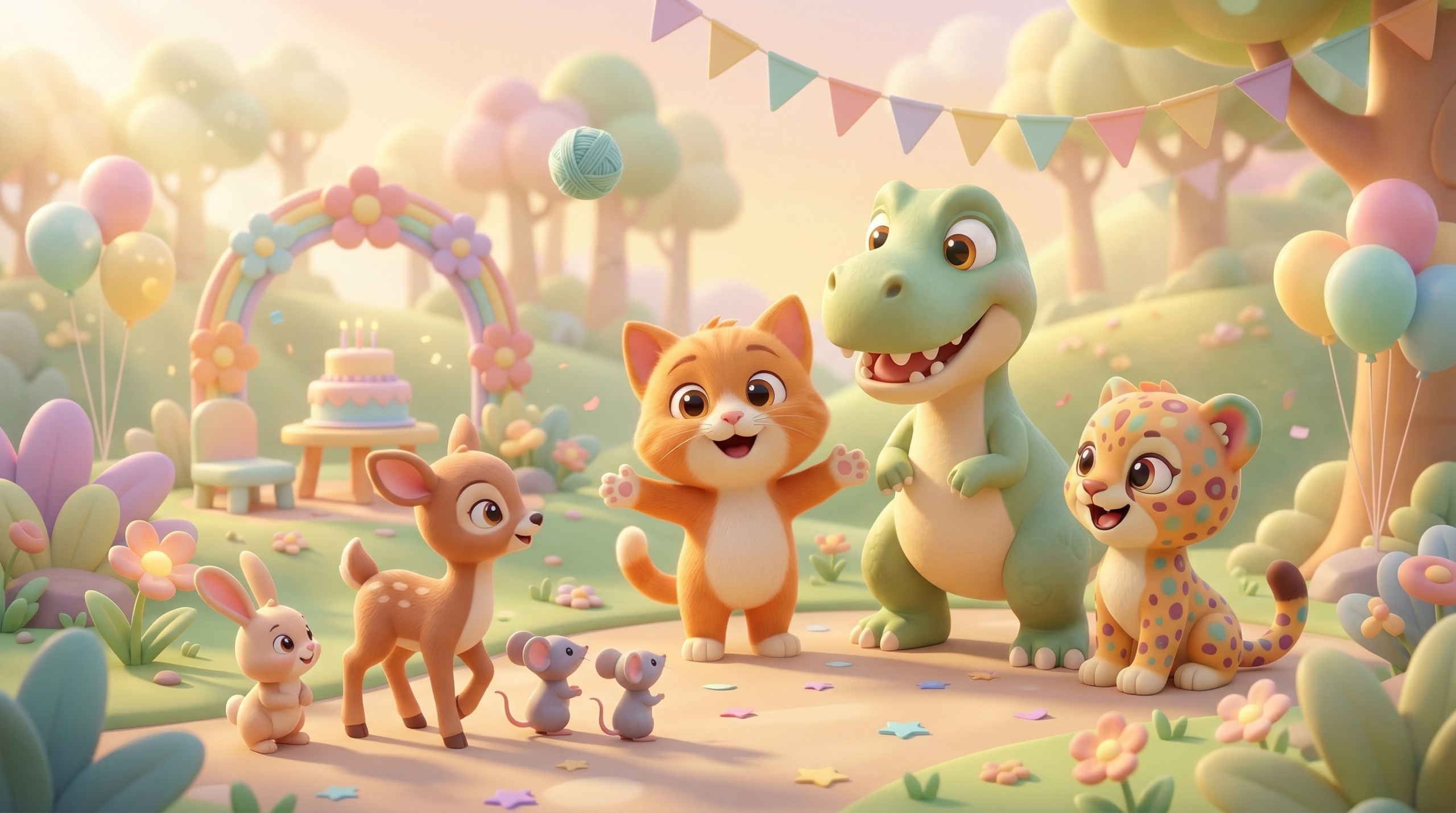
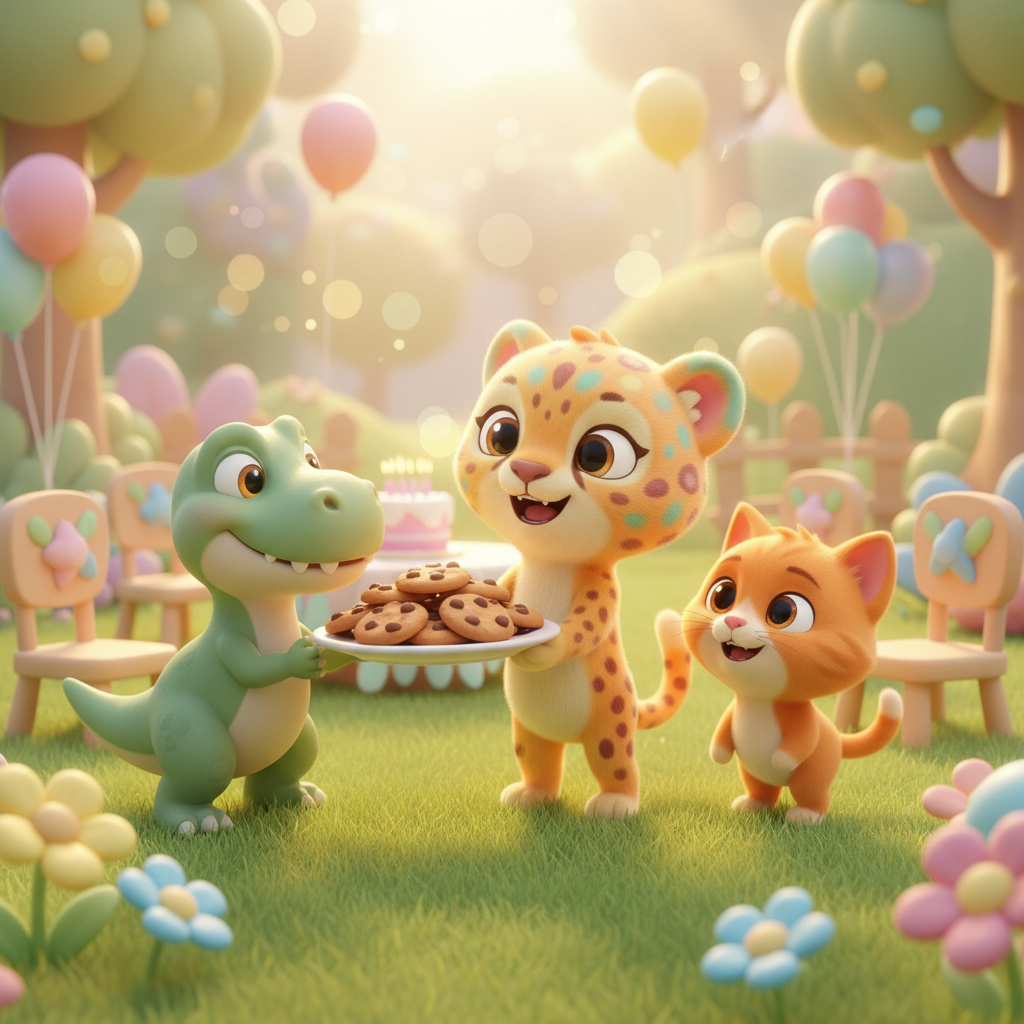
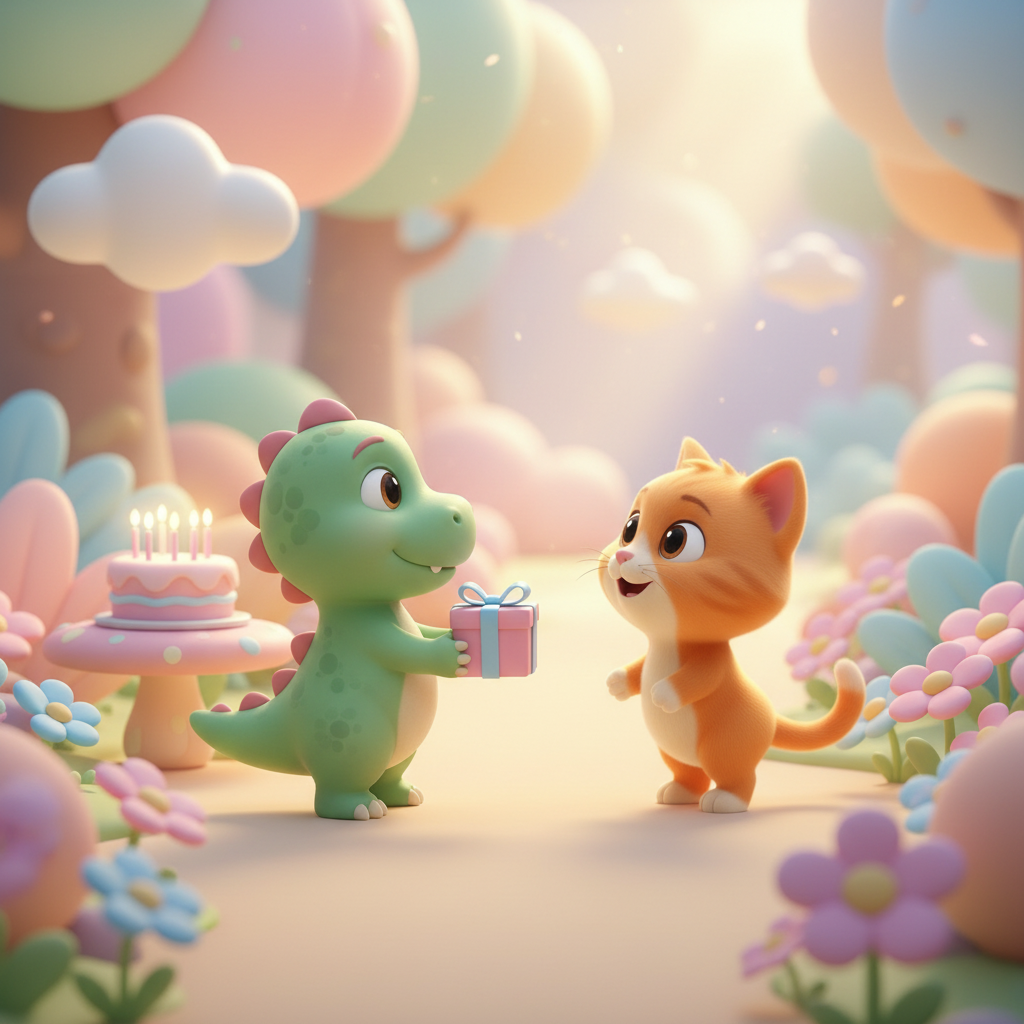
Kitty & Dino were born from this perspective — characters who model the kind of resilience, kindness, and curiosity I wanted my son to see reflected back at him.
The stories were never meant to be a business. They were personal. Written for one specific child. And that personal touch is exactly what makes personalized books so powerful.
What Age Is Best for Personalized Books?
Personalized books work across childhood, but ages 3-8 is where they shine:
Ages 3-4: Just beginning to understand that stories have meaning. Name recognition is magical. Simple plots with clear emotions work best.
Ages 5-6: Developing deeper emotional awareness. Appreciate stories that validate their feelings and model solutions to social challenges.
Ages 7-8: Transitioning to independent reading but still value picture books. Treasure keepsake quality. Appreciate humor and complexity.
My son is past the age where I read him bedtime stories every night. But he still has the books I wrote for him. And he still remembers them.
That’s the gift of personalized books: they last.
Real Benefits for Real Kids
Personalized books aren’t just nice — they deliver measurable benefits:
Increased reading engagement — Children spend more time with books that feel relevant to their lives. They ask more questions. They make more connections.
Improved self-esteem — Seeing themselves as the hero of a story reinforces positive self-concept. It says “you are worthy of adventure, growth, and happy endings.”
Stronger emotional vocabulary — Personalized books that name emotions help children name their own emotions — a foundational skill for emotional intelligence.
Memory making — Unlike toys that break or trends that fade, personalized books become associated with specific moments in childhood. They’re memory anchors.
Connection between parent and child — Reading a personalized book together creates shared experience. The story becomes “ours” rather than just “a book.”
When I read my son the stories I wrote for him, we weren’t just reading — we were bonding over something made just for him. That connection is what makes personalized books irreplaceable.
Do Kids Actually Like Personalized Books?
In my experience, kids don’t just like personalized books — they love them.
My son showed measurably higher engagement with stories that referenced his actual experiences. He’d ask for “the one about the car” or “the one where the character gets frustrated” — because those stories felt like they were written for him. They were.
The research backs this up. Children consistently prefer stories that feel relevant to their lives. Personalized books get requested more often, remembered longer, and treasured more deeply than generic alternatives.
How to Choose a Personalized Book That Actually Works
Not all personalized books deliver on their promise. Here’s what to look for:
Genuine personalization, not just name insertion — The best personalized books weave the child’s experience throughout, not just slap a name on a template.
Age-appropriate complexity — Match the story’s length, vocabulary, and themes to the child’s developmental stage.
Emotional truth — Look for books that understand what children actually feel, not what adults think they should feel.
Quality construction — Since these are keepsakes, physical durability matters. Thick pages, quality binding, and printing that lasts.
Read-aloud flow — Test the text by reading it aloud. Awkward phrasing kills engagement, no matter how personalized.
Themes that matter — Choose stories that address what the child is actually experiencing — friendship struggles, new experiences, emotional regulation, courage.
TL;DR: Why Personalized Books Win
What:
Books written with a specific child in mind — stories that reflect their name, their experiences, their emotional world.
Who:
Children ages 3-8 who need to feel seen, understood, and celebrated for who they are.
Why:
Personalized books boost self-esteem, increase reading engagement, create lasting memories, and strengthen parent-child connection. Unlike toys that break or trends that fade, they become treasured keepsakes.
How:
Look for genuine personalization (not just name insertion), age-appropriate complexity, emotional truth, and quality construction.
The bottom line: The best birthday gift says “I see you.” Personalized books do exactly that — and they keep saying it every time the book is opened, for years to come.
Related Reading
- The Best Personalized Birthday Books for Kids Ages 3-8
- Birthday Books for Children: The Complete Parent’s Guide
- How to Help Your Child Understand Their Feelings
- Why Bedtime Stories Matter for Child Development
- The Science Behind Calming Bedtime Routines
Written by a dad who learned that the best gift isn’t the biggest or most expensive — it’s the one that makes a child feel like the hero of their own story.