Key Takeaways
- Fear can make us lose control. When children get scared mid-challenge, their abilities seem to vanish. Penny’s story shows what happens next.
- Tonight’s story matters. A bedtime book about facing fear can transform a scary experience into a hopeful tomorrow.
- Friends help us find our way back. Sometimes resilience isn’t solo — it’s accepting help from others who believe in you.
Your child comes home from school, throws their backpack on the floor, and slumps onto the couch. “I can’t do it,” they mutter. “I tried and I can’t. I’m just not good at it.”
Maybe it was a math problem. A soccer drill. A swimming lesson where water got in their nose. Whatever the specifics, the story is the same: they tried, something went wrong, and now they’re ready to quit.
As a parent, you want to say the right thing. But sometimes words aren’t enough. Sometimes what your child needs is a story — a character who shows them that fear doesn’t have to break you. Sometimes it can become your strength.
Why Bedtime Stories Build Resilience
Here’s something researchers know: children who hear stories about perseverance are more likely to persist when things get hard themselves. It’s not magic. It’s modeling.
When a character in a book faces a challenge, feels fear, and finds their way through, your child experiences that cycle safely. They feel the fear. They watch the recovery. They see that getting scared doesn’t mean staying scared — and that trying again is possible.
This is especially powerful at bedtime. The stories we hear before sleep become part of how our brains process the day. A resilience story doesn’t erase the failure. It gives your child a framework for tomorrow.
People Also Ask: How do I teach my child resilience?
You can’t lecture resilience into existence. You build it through small experiences: letting your child struggle (a little), narrating your own failures and recoveries, and sharing stories where characters model persistence. Books let children practice resilience emotionally before they face it behaviorally.
The Penguin Whose Magic Broke — And Came Back
Let us introduce you to Penny.
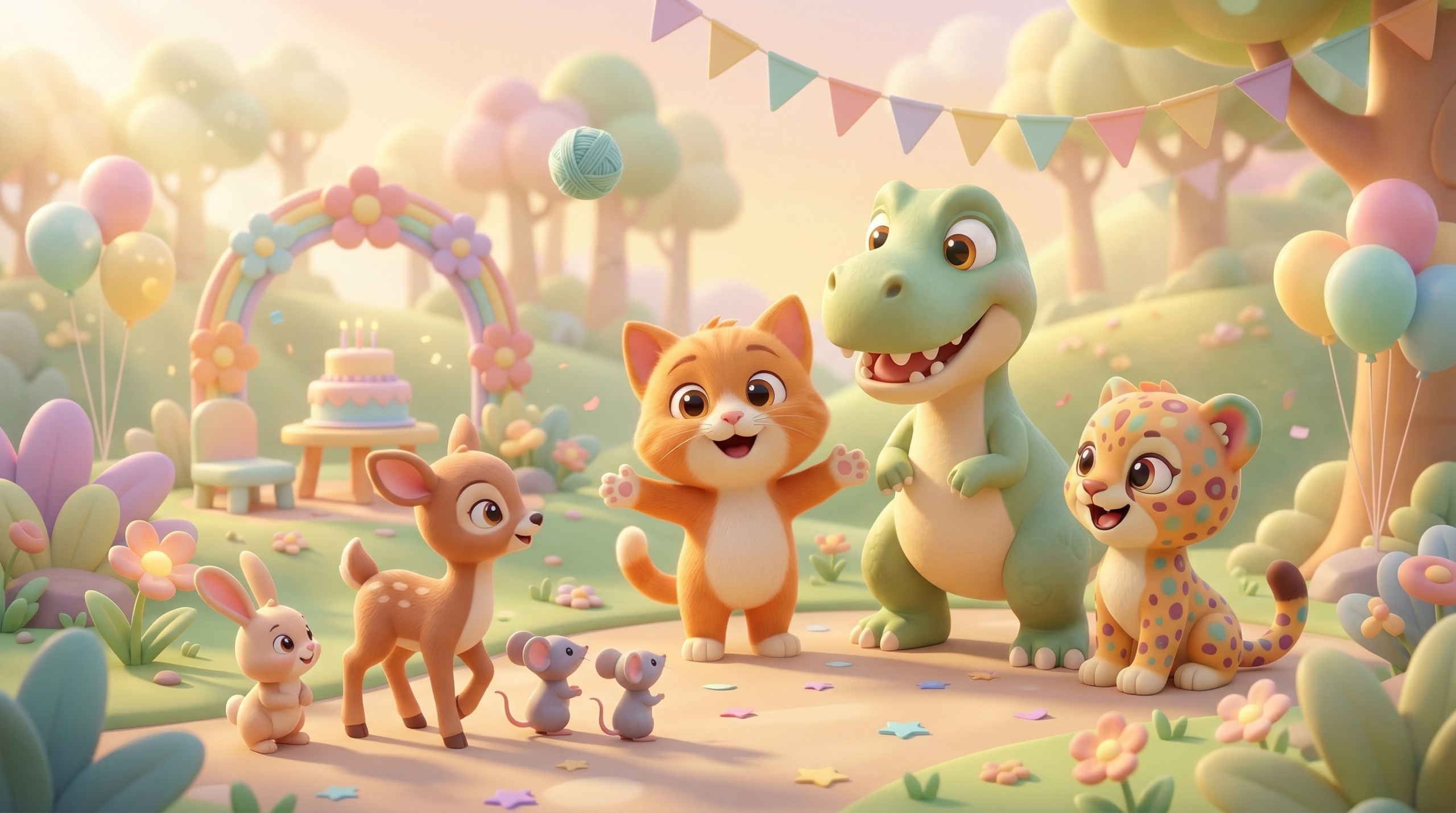
In Kitty and Dino Help Penny the Penguin, Penny isn’t just any penguin. She’s a magic penguin who can create snow — her special gift that makes snowboarding possible for all her friends in the forest.
But one day, Penny attempts something big: the Triple Loop. It’s a daring snowboard trick, and halfway through, she gets scared. That fear causes her to crash. And when she lands, something terrible has happened — her magic has broken.
The snow won’t stop falling. It keeps coming and coming, threatening to freeze the whole forest. Penny’s fear didn’t just hurt her — it’s now hurting everyone she cares about.
Here’s what makes Penny’s story different from a generic “never give up” message: Penny’s magic is tied to her emotions. When she lost trust in herself, she lost control of her gift. The lesson isn’t just “try harder.” It’s something deeper: When you trust yourself, you can control your own magic better.
How Friends Help When Fear Takes Over
Penny doesn’t face this alone. And that’s the other powerful lesson in this story.
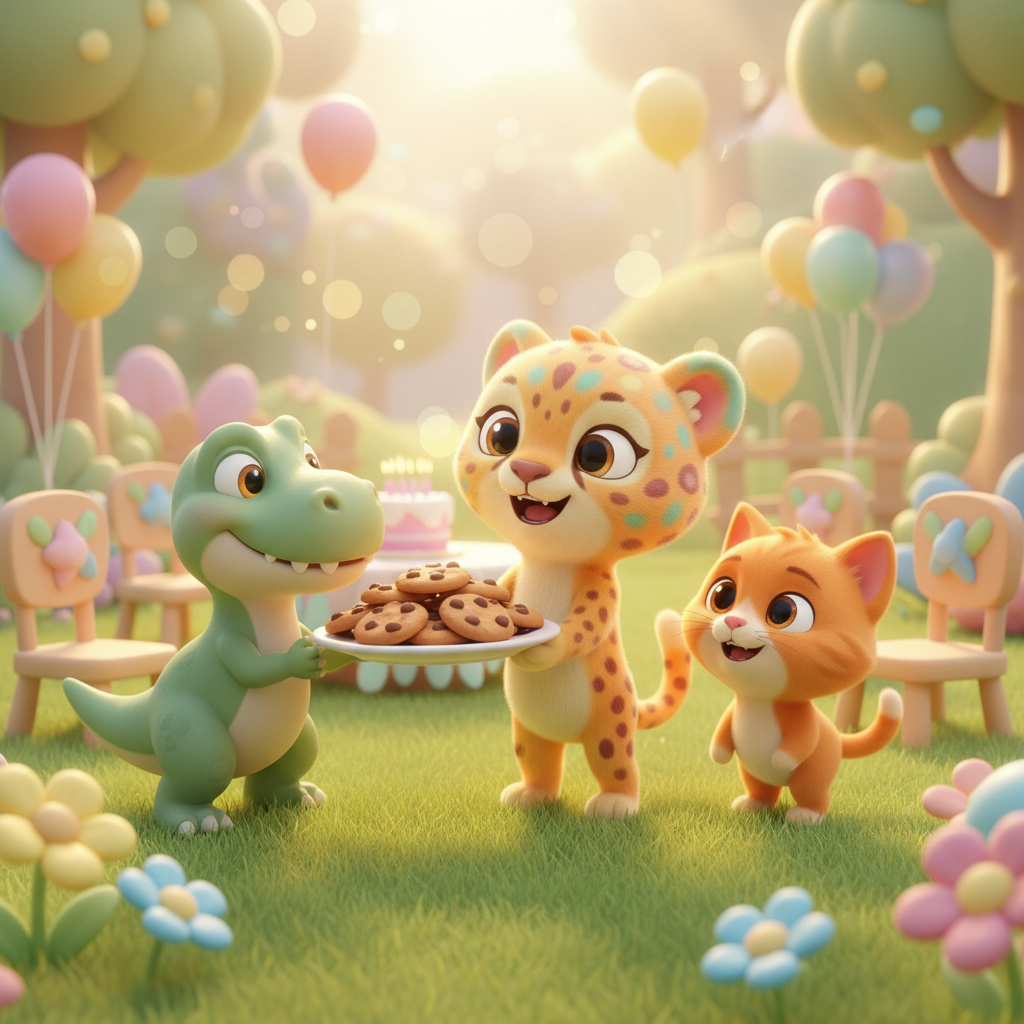
Kitty uses her wind powers to ride alongside Penny, helping slow her down when the fear rises. Dino uses his plant magic to create soft landings, catching her when she falls.
Together, they help Penny face the very thing that broke her magic: the Triple Loop. With her friends supporting her, Penny attempts the trick again. And this time, she lands it.
When she does, her magic comes back under control. The snow stops falling endlessly. Penny learns that trusting herself — and accepting help from friends — is how she reclaims her power.
3 Ways This Story Helps Your Child Try Again
1. Fear Can Make Our Abilities Disappear
Penny was a skilled snowboarder. She had magic. But when fear took over, even her abilities seemed to vanish.
This is something children experience but can’t always articulate. They knew how to do something yesterday, but today — after a scary moment — they feel like they can’t anymore.
When you read about Penny’s magic breaking, you can say: “Have you ever felt like you could do something one day, but then you got scared and it felt impossible? That’s what happened to Penny.”
This normalizes something confusing. It’s not that your child forgot. It’s that fear got in the way. And fear can be overcome.
2. Accepting Help Is Part of Resilience
Penny didn’t fix her magic alone. Kitty and Dino rode with her. They used their powers to help her succeed.
In many children’s books, the hero succeeds through sheer determination. But real resilience often involves community. Asking for help isn’t weakness — it’s wisdom.
After reading, you can ask: “Who helped Penny? What did they do? Is there someone in your life who could help you with the thing that’s hard?”
This builds your child’s toolkit. When they’re stuck, they know: I can keep trying, I can try a different way, OR I can ask for help. All of these are valid paths forward.
3. Trusting Yourself Restores Your Power
Penny’s story doesn’t end with her becoming the best snowboarder. It ends with her trusting herself again — and that’s what brings her magic back.
The lesson for children: your abilities are connected to how you feel about yourself. When you believe in yourself, you have more control. When fear takes over, things get harder.
After reading, you can say: “Penny’s magic came back when she trusted herself. What’s something you could try tomorrow if you believed in yourself a little more?”
People Also Ask: What are good books for emotional kids?
The best books for emotionally sensitive children acknowledge feelings without rushing to fix them. Look for stories where characters struggle visibly, where solutions take time, and where the journey matters as much as the outcome. Avoid books that shame big emotions or offer instant resolutions.
How to Use This Story Tonight
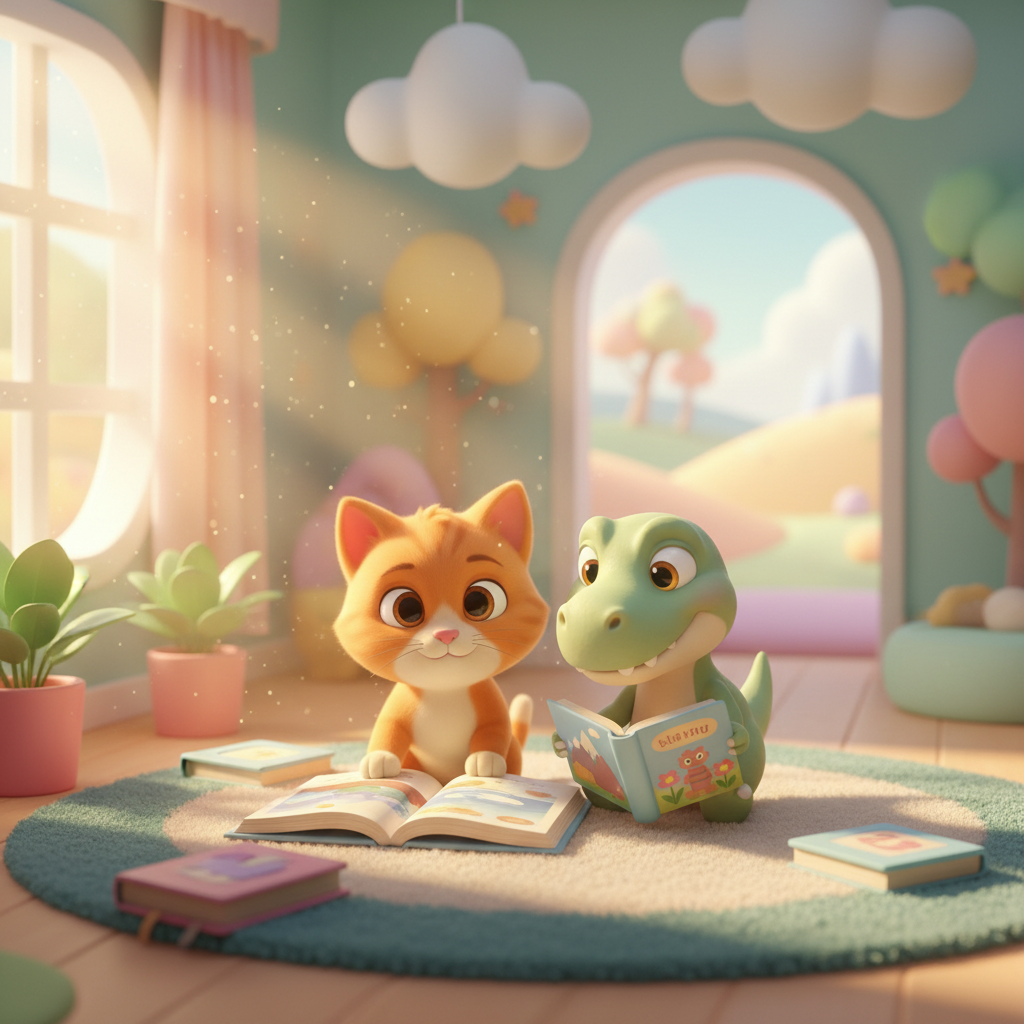
Read it together. Then try one of these:
The “Penny Check-In”
Before bed, ask: “If Penny were here, what would she say about being scared? What helped her trust herself again?” This lets your child see fear from a wiser perspective.
The “Magic Comes Back” Promise
Say together: “I got scared today. I can try again tomorrow.” Sometimes a ritual is all a child needs to close a hard day and open a hopeful one.
The “Friend Helper” Question
“Penny had Kitty and Dino. Who’s your Kitty or Dino? Who helps you when things feel hard?” This makes the story practical — and reminds your child they’re not alone.
Other Resilience Books Worth Reading
If your child connects with Penny’s story, here are more books about facing fear and trying again:
- The Little Engine That Could — the classic “I think I can” mantra for ages 3-6
- After the Fall by Dan Santat — what happened to Humpty Dumpty after the fall? A beautiful book about fear and courage for ages 4-8
- Jabari Jumps by Gaia Cornwall — a boy works up the courage to jump off the diving board. Perfect for ages 4-7
- A Bike Like Sergio’s by Maribeth Boelts — a boy wants what he can’t have, and finds another way. Ages 5-8
Want to explore more about how stories build character? See our post on raising kind children through stories.
TL;DR — A Story for the Hard Days
- Your child got scared today — that’s normal, and it can make abilities feel out of reach
- Penny the Penguin’s magic broke when fear took over, but it came back when she trusted herself
- Friends help — Kitty and Dino supported Penny through her fear
- Resilience is built through stories that model facing fear and finding your way back
- End with hope — trusting yourself is how you regain control
The book you read tonight becomes the voice in your child’s head tomorrow. Choose one that says: “Your magic is still there. You just have to trust yourself to find it.”
Read Penny’s story tonight. Discover Kitty and Dino Help Penny the Penguin on our site or shop our books on Amazon → kittyanddino.com.
What book has helped your child face fear and try again? Share in the comments — your recommendation might be exactly what another parent needs tonight.