The Messy Magic of Taking Things Apart: Raising Kids Who Build (And Fix) Their World
My son destroyed a remote-controlled car last week.
I don’t mean he broke it accidentally. I mean he took it apart, piece by piece, until there was nothing left but a pile of plastic, screws, and two small motors sitting on the kitchen table.
It was chaos. Screws went missing. Parts got mixed up. The car would never run again.
And I couldn’t have been happier.
Why I Let the Destruction Happen
Here’s the thing: my parents would have scolded me for this. When I was growing up, taking apart toys was seen as breaking them. Wasting money. Being destructive.
But I wanted to see what would happen if I let him explore.
It started with a question: “Dad, how do I use this?” He was holding a small screwdriver, looking at the car’s battery compartment. So I showed him. Which way to turn to loosen. Which way to tighten. How to hold the screw so it didn’t roll away.
Then he was off. Taking out screws, lifting panels, peering at the circuitry inside. For a solid hour, he was completely absorbed.
When he tried to put it back together — well, that didn’t go so well. There were leftover parts. Things that didn’t quite fit. The wheels wouldn’t turn because the gears were misaligned.
“I want to fix it,” he said.
“Okay,” I said. “But it might take some time.”
“I have time,” he replied.
Creativity Through Destruction
This is what people miss about creativity. It’s not neat. It’s not organized. It’s messy and destructive and full of false starts.
Kids learn by taking things apart. They learn by breaking things and trying to fix them. They learn by making mistakes and living with the consequences.
If you never let your child disassemble a toy — if you treat every object as precious and unchangeable — you’re teaching them that things are black boxes. Magic. Unknowable.
But when they take something apart, they learn that everything is made of parts. That things can be understood. That they themselves can be makers, not just consumers.
I watched my son’s eyes light up when he saw those motors. “That’s what makes it go!” he said. He didn’t understand the wiring yet. But he understood that movement came from something inside, something he could touch.
The Building Instinct
This experience reminded me of my own childhood. I used to collect parts from different toy cars — motors, wheels, axles — and keep them in boxes under my bed.
One summer, I tried to build my own car. I used a soap box for the body and a plastic cream container for the cabin. The wheels were different sizes because I didn’t have four matching ones. It only turned left.
But I kept that thing for years. It was my creation. My proof that I could make something from nothing.
Looking back, I realize I was always building in my stories, even when I didn’t notice it. Carlos the Camel builds a library in the desert. Penny the Rat constructs a greenhouse. These weren’t conscious decisions to include “maker” themes. They were just part of how I see the world.
Some people see a problem and look for an app to solve it. Others look for a store to buy something. Builders look for parts they can put together.
I want my son to be a builder.
The Connection Between Stories and Building
Here’s where it gets interesting: stories can teach building.
Not literally — though my books do have characters constructing things. But metaphorically. When a child reads about Kitty and Dino helping someone build a solution to their problem, they’re learning a mindset.
Problems can be solved. Things can be made better. You have the power to create change.
Carlos the Camel doesn’t find a library. He builds one. Penny the Rat doesn’t stumble upon a greenhouse. She creates it, with help from her friends.
These aren’t just plot points. They’re models for how to approach the world.
When my son looks at his pile of car parts now, he doesn’t see failure. He sees possibility. “I could use this motor for something else,” he told me yesterday. “Maybe a boat.”
That’s the builder mindset. And it starts with stories that show creating as normal, achievable, and worthwhile.
Practical Ways to Encourage Creative Building
If you want to raise a kid who builds and fixes, here are some things that have worked in our house:
Give them broken things. Old electronics (safe ones), toys with dead batteries, gadgets that no longer work. Let them explore without fear of “ruining” something valuable.
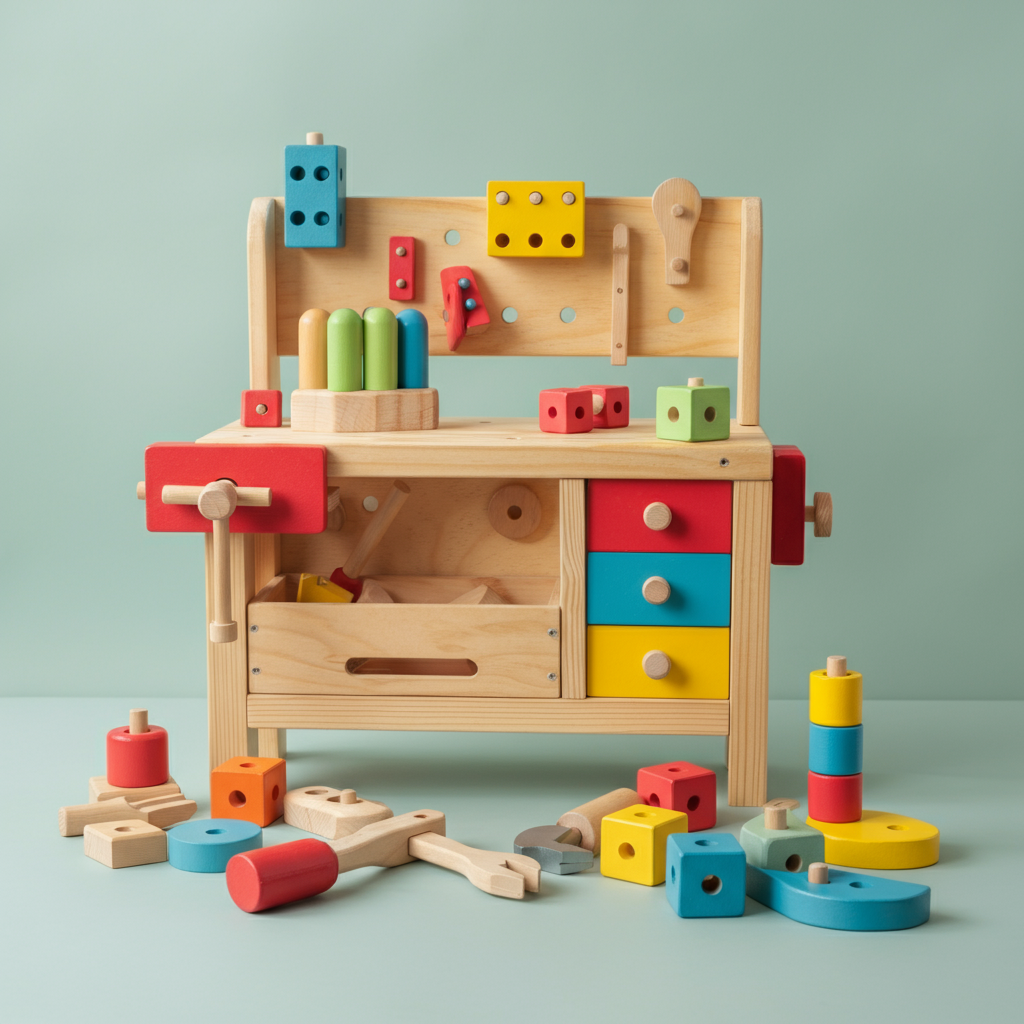
Provide real tools. Kid-sized screwdrivers, hammers, saws. Not toy versions — real ones, with supervision. There’s something different about using an actual tool versus a plastic replica.
Celebrate the attempt, not just success. “You really figured out how that gear worked” matters more than “You put it back together perfectly.”
Let them see you building. Whether it’s fixing a leaky faucet, assembling furniture, or working on a hobby project. Kids learn by watching.
Read stories about making things. Books where characters build, create, solve problems. It normalizes the behavior.
The Mess Is the Point
I know it’s hard. The mess. The time. The feeling that you could just do it yourself faster and better.
But the mess is the point.
My son didn’t just learn about motors and gears that day. He learned that he can figure things out. That asking “what’s inside?” is a good question. That failure — a car in pieces — isn’t the end of the story.
He’s still talking about it, actually. “Remember when I took apart the car?” he’ll say. Then he’ll launch into plans for what he wants to build next. A boat. A robot. A machine that “does something cool” (he hasn’t decided what yet).
He remembers Penny the Rat, too. How she built her greenhouse. He talks about her like she’s a real person who taught him something.
“Penny made something new,” he told me. “I want to make something new too.”
What This Has to Do With Creativity
Creativity isn’t just about art. It’s about seeing possibilities where others see obstacles. It’s about having the confidence to try something even when you’re not sure it will work.
When a kid takes apart a toy, they’re practicing creativity. They’re asking: What if I took this apart? What if I put it back differently? What if I used this part for something else?
Those are creative questions. And they’re learned through experience, not taught through instruction.
Raising Problem-Solvers
The world needs people who can solve problems. Who can look at something broken and see potential. Who aren’t afraid to get their hands dirty.
I think we can raise those people. But we have to let them make messes.
My son’s car is still in pieces. It’s in a box in the garage, waiting for the day he decides what to do with it. Maybe he’ll rebuild it. Maybe he’ll use the parts for something new. Maybe he’ll just move on to the next project.
Whatever he chooses, I’m glad he took it apart. I’m glad he saw what was inside. I’m glad he learned that things can be understood, taken apart, and put back together — even if imperfectly.
That’s the messy magic of creativity. And it’s worth the cleanup.
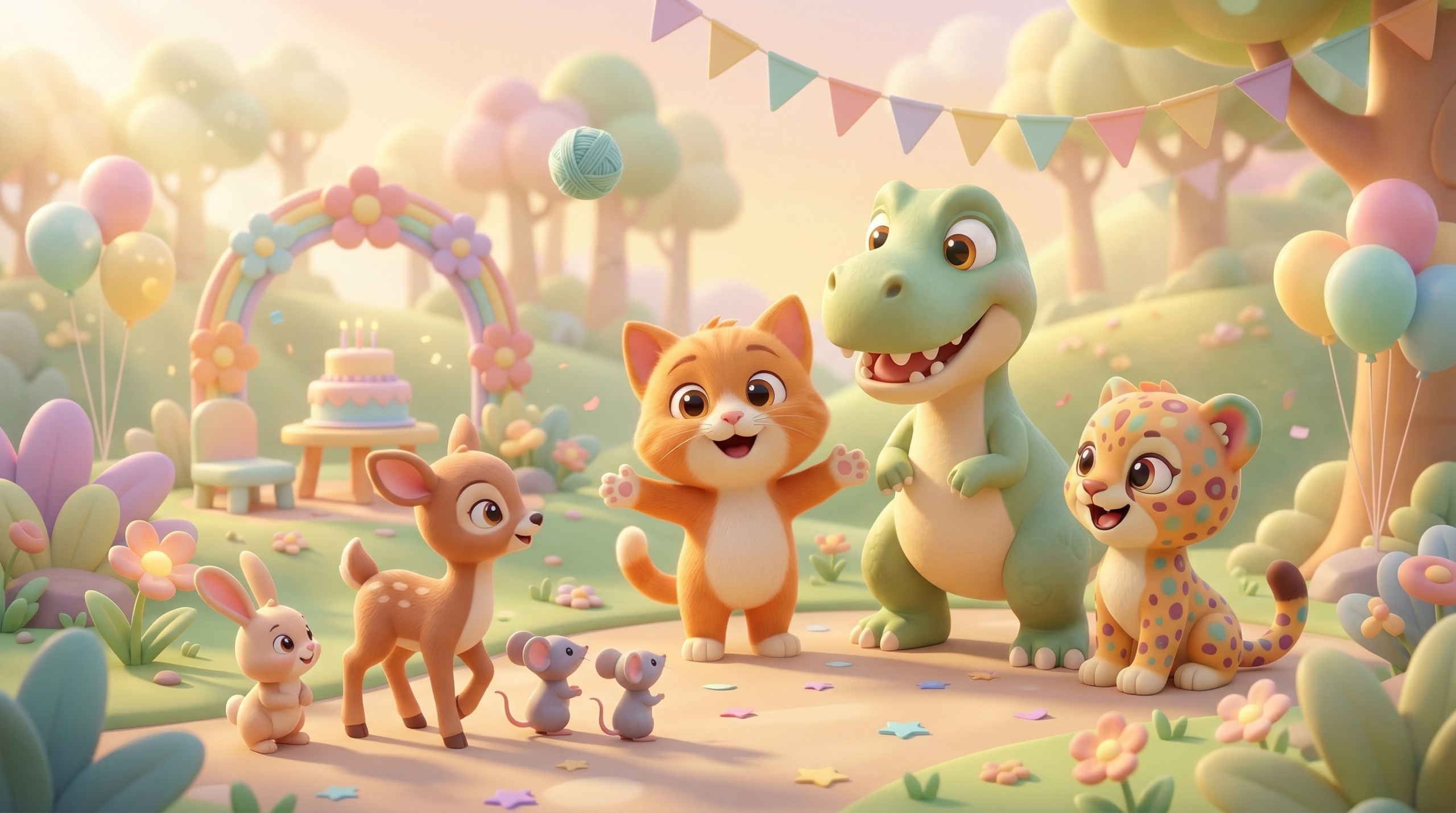
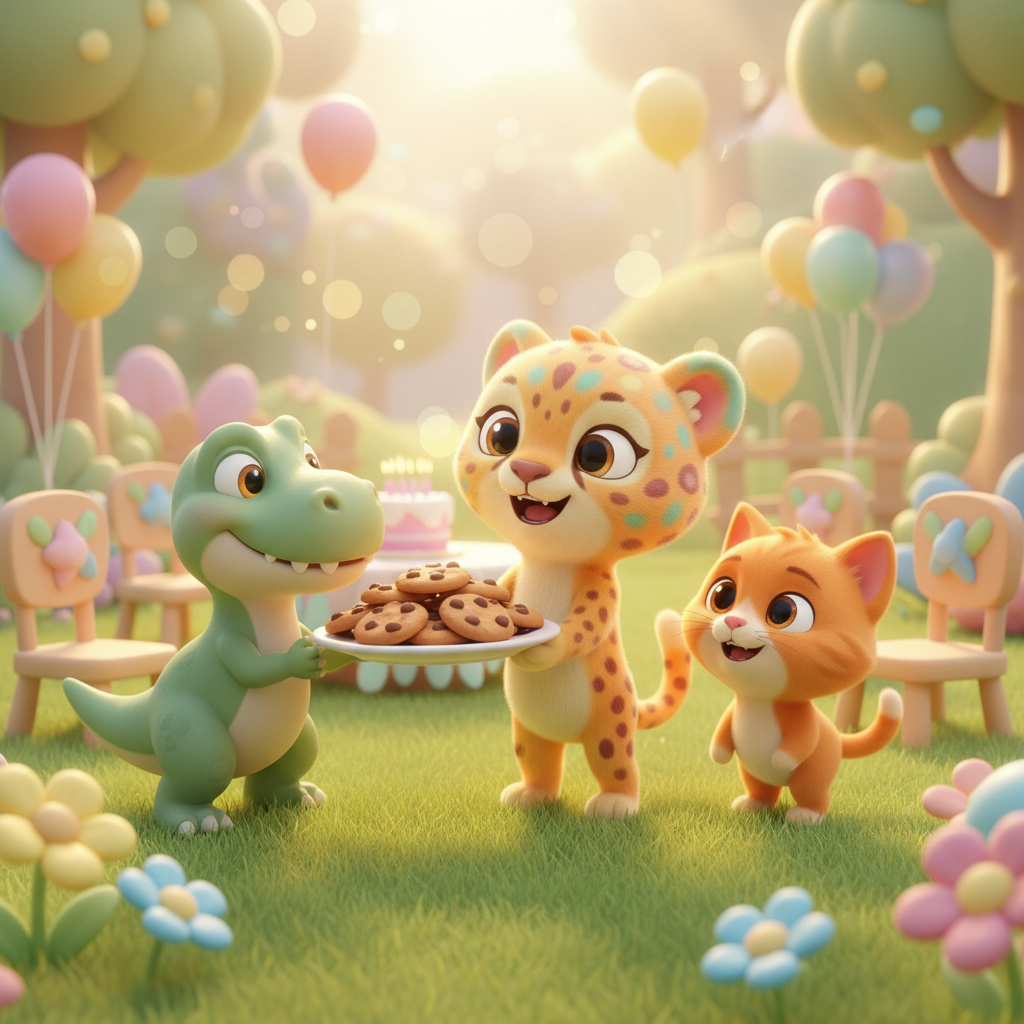
Want stories that inspire kids to build, create, and solve problems? The Kitty and Dino series follows two magical friends as they help other animals construct solutions to their challenges — from libraries to greenhouses to confidence itself.
Key Takeaways
- Taking things apart is a natural learning behavior—it’s how kids understand cause and effect
- Provide safe outlets: old electronics, broken toys, or dedicated take-apart kits
- Ask “what do you think will happen?” before disassembly to build critical thinking
- The mess is temporary; the learning and confidence gained last
- Channel the curiosity into building projects that require both assembly and disassembly
People Also Ask
Why do kids take things apart?
Children take things apart to understand how things work. It’s a form of hands-on investigation that helps them grasp cause and effect, spatial relationships, and mechanical concepts.
How do I stop my child from breaking toys?
Instead of stopping the behavior, provide appropriate outlets. Give your child old electronics to dismantle, broken toys to explore, or take-apart toys designed for this purpose. Teach them to ask before taking apart something valuable.
Is taking things apart good for child development?
Yes! Taking things apart builds fine motor skills, spatial reasoning, problem-solving abilities, and an understanding of mechanics. It also nurtures natural curiosity and teaches children that they can figure things out through exploration.