Why Bedtime Stories Build Emotional Intelligence (And the One My Son Asks For Again and Again)
Last week, my son refused to get ready for school. Not because he was sick. Not because something happened. He’d just been home for a month, and the idea of swimming lessons on day one felt overwhelming.
“I feel cold when I come out of the pool,” he told me, arms crossed.
I recognized that feeling. It’s the same one I get on Sunday evenings before a busy week. But here’s the thing — kids don’t know what that feeling is. They just feel it. And if you don’t name it for them, they spiral.
So I sat down and explained: “You know how after staying home a few days, it’s hard to wake up? That’s what you’re feeling. It’s normal. It happens to everyone, even grown-ups.”
He looked at me, processed it for a moment, and went to get dressed.
That moment stuck with me because it showed something I’ve been exploring in my stories: the power of naming feelings. When kids can identify what they’re experiencing — laziness, anxiety, excitement, fear — they can handle it better.
This is why I believe bedtime stories matter so much. Not just for entertainment. Not just for literacy. But for emotional intelligence.
What Happens When Kids Read About Feelings
There’s research on this, but I don’t need studies to know it’s true. I see it in my own son.
When we read about Penny the Penguin facing her fear of performing the triple jump, he talks about being brave. When we read about Harvey the Hippo’s dance recital, he understands what it means to feel nervous and do something anyway.
Books give kids a safe way to experience emotions secondhand. They watch characters struggle, name their feelings, and work through them. It’s practice for real life.
The American Academy of Pediatrics has noted that reading aloud to children supports healthy brain development, particularly in areas related to emotional regulation and social connection. But honestly? You don’t need a white paper to see it. Watch a child’s face while you read them a story about someone feeling sad, then finding a friend. They get it.
The Stories My Son Asks For (And Why)
My son has his favorites. Some nights he wants adventure. Some nights he wants silliness. But the ones he returns to — the ones he asks for again and again — are the ones about feelings.
Penny the Penguin is a regular request. She was afraid to perform the triple jump, as she feared she would fall. But she faces her fear with friends beside her. That’s a message he needs to hear: you’re not alone in being afraid.
Harvey the Hippo comes up when he’s feeling unsure about himself. Harvey wants to dance but worries he’s too big, too clumsy. The story doesn’t tell kids to “just be confident.” It shows them someone learning that confidence comes from trying, not from being perfect.
I wrote these stories before I fully understood why they mattered. Now I see it. My son doesn’t want lectures about emotions. He wants stories that show him what emotions look like, what they feel like, and how to move through them.
Bedtime as Emotional Training Ground
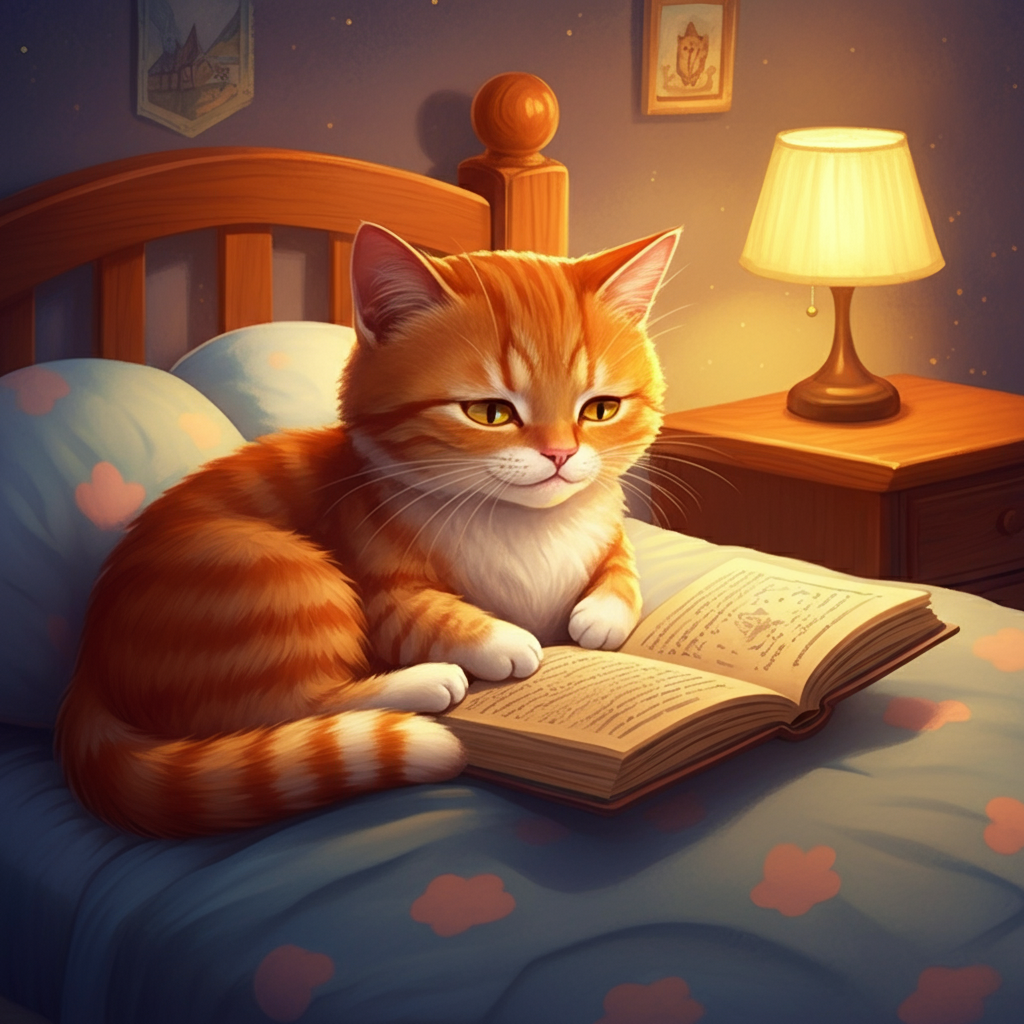
The bedtime routine is sacred in our house. Not because I’m rigid about schedules (though I am a bit), but because it’s when kids are most receptive.
They’re tired. Their defenses are down. They’re transitioning from the chaos of the day to the quiet of sleep. This is when they’re ready to process.
A calming story at bedtime does more than wind them down. It gives them language for the hard parts of their day. Maybe another kid took their toy. Maybe they got frustrated with homework. Maybe they just feel weird and don’t know why.
When you read them a story about someone working through a feeling, you’re giving them a template. “Oh, that’s what this feeling is called. That’s what you can do with it.”
Stories for Anxious Kids (And All Kids Are Sometimes Anxious)
I don’t like the phrase “anxious kids” as a category. All kids are anxious sometimes. All kids worry. The question isn’t whether they’ll experience anxiety — it’s whether they’ll have tools to handle it.
Stories are one of those tools.
When a child reads (or hears) about a character who’s worried about the first day of school, or scared of a storm, or nervous about making friends, they learn:
- This feeling has a name
- Other people feel it too
- There are ways through it
That’s emotional intelligence in a nutshell. Recognizing emotions in yourself and others. Understanding that emotions are temporary. Knowing you can take action even when you feel bad.
My Own Learning
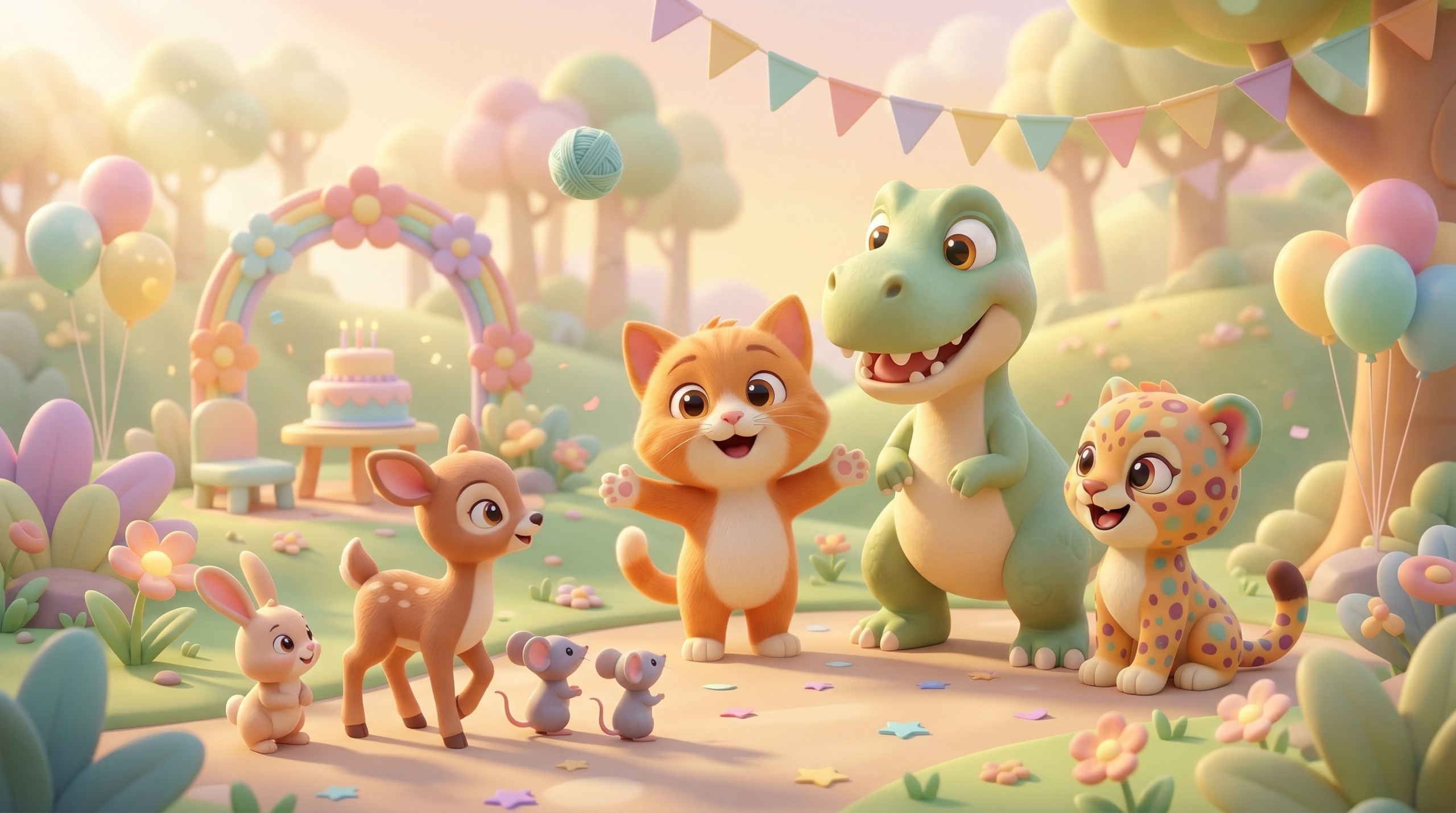
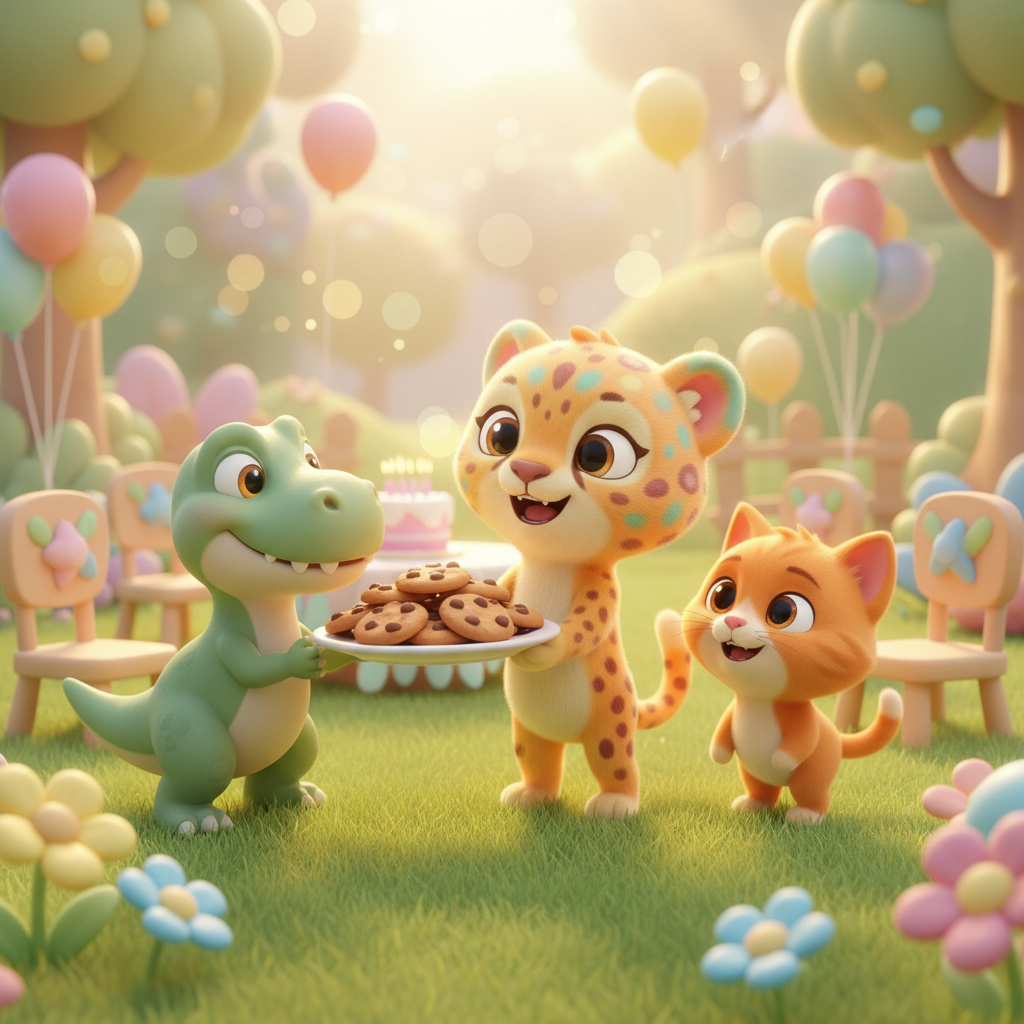
Writing these stories has taught me as much as they’ve taught my son. I started out thinking I was just making up fun adventures with magical characters. Kitty with her wind powers. Dino with his ability to grow plants. Friends helping other animals solve problems.
But over time, I noticed a pattern. Every story ends up being about something bigger than the surface plot. Helping a friend build a library is about collaboration. Helping a hippo dance is about self-acceptance. Helping a penguin face the triple jump is about courage.
These aren’t lessons I set out to teach. They’re ones that emerged because that’s what stories do. They find the heart of things.
What to Look For in Emotional Intelligence Books
If you’re choosing books to help your child develop emotional intelligence, here’s what I’ve learned to look for:
Characters who feel deeply. Not just happy or sad, but the complex stuff — worried, frustrated, jealous, embarrassed.
Feelings named explicitly. The character should say “I feel nervous” or “I’m scared.” This gives kids vocabulary.
Resolution through action. Not magic solutions, but characters taking steps — talking to someone, trying again, asking for help.
Relatable situations. First day of school. Losing something important. Wanting to join a game but feeling shy. Real kid stuff.
The Kitty and Dino books hit these notes because that’s what my son needed. I was writing for him, after all.
The Unexpected Benefit
Here’s something I didn’t expect: these stories help me talk to my son about my own feelings.
“Remember when Harvey felt nervous about the dance? That’s how I feel before big meetings.”
“Penny was afraid to perform the triple jump, but she tried anyway. I have to try things that scare me too.”
It opens a door. Suddenly we’re not just parent and child. We’re two humans who sometimes feel nervous or scared or unsure, and that’s okay.
Why This Matters (For Real)
I’m not going to tell you that reading bedtime stories will solve every emotional challenge your child faces. It won’t.
But I will tell you this: every time you sit down with a book that helps your child name a feeling, you’re giving them a tool they’ll use for the rest of their life.
My son still doesn’t want to go to school sometimes. He still gets nervous. But now he can say, “I feel anxious about swimming.” And that — that one small thing — means we can talk about it. We can make a plan. We can get through it together.
That’s what emotional intelligence looks like in real life. Not a test score. Not a certificate. Just a kid who knows what he’s feeling and has the words to say it.
And it starts with a story.
Looking for books that help kids understand their emotions? The Kitty and Dino series follows two magical friends as they help other animals navigate feelings like fear, self-doubt, and shyness — stories my own son asks for again and again.
Key Takeaways
- Bedtime stories give children language to name emotions they don’t yet understand
- Characters who face fears help kids learn that bravery means trying despite fear
- The bedtime routine creates a receptive space for emotional processing
- Stories build empathy by showing how others feel in relatable situations
- Children remember stories about emotions more than lectures about feelings
People Also Ask
How do bedtime stories help emotional intelligence?
Bedtime stories build emotional intelligence by exposing children to characters who experience and name complex feelings. When kids hear stories about fear, jealousy, or excitement, they learn vocabulary for their own emotions and see examples of healthy emotional processing.
What age should you start reading bedtime stories?
You can start reading to babies from birth, but the emotional intelligence benefits become most noticeable around ages 3-5 when children start understanding more complex emotions and social situations.
How long should a bedtime story be?
Bedtime stories work best at 5-10 minutes for younger children (ages 2-4) and 10-15 minutes for older kids (ages 5-8). The length should match your child’s attention span while still leaving time for questions and discussion.