
7 min read
Key Takeaways
- Technique matters: How you read is just as important as what you read for building engagement.
- Interactive reading: Asking questions and using voices keeps children actively involved.
- Start early, continue often: Even 10-15 minutes daily makes a measurable difference in literacy development.
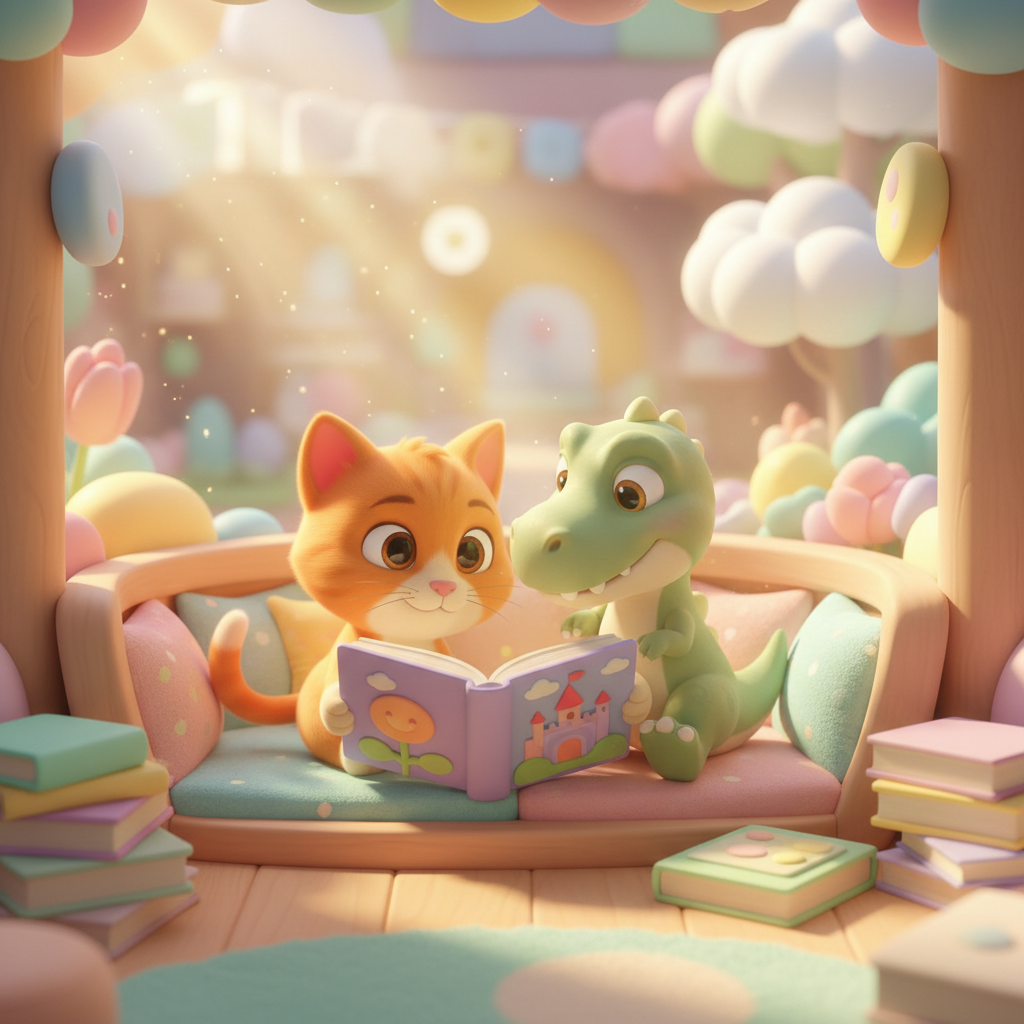
Reading to your child builds vocabulary, strengthens bonds, and develops early literacy skills. But how you read matters just as much as what you read. The right techniques can transform a routine activity into a magical experience that your child looks forward to every day.
In this guide, we’ll share seven proven techniques that make reading aloud more engaging for your child and more enjoyable for you. These strategies work for children ages 3-8 and can be adapted as your child grows.
People Also Ask: Why Is Reading Aloud Important?
Why is reading aloud to children important?
Reading aloud exposes children to vocabulary they don’t hear in everyday conversation, builds listening comprehension, and creates positive associations with books. Children who are read to regularly enter school with significantly larger vocabularies and stronger language skills.
How long should I read to my child each day?
Even 10-15 minutes of quality reading time daily makes a difference. For children ages 3-5, aim for 15-20 minutes. For ages 6-8, 20-30 minutes is ideal. Consistency matters more than duration.
7 Techniques for Engaging Read-Alouds
1. Use Different Voices for Characters
Children love when you bring stories to life with distinct voices. You don’t need theatrical training — simple changes in pitch, speed, or tone help children distinguish characters and follow the narrative.
How to do it: Choose one character to speak in a higher voice, another in a lower voice. Make the brave character sound confident and the shy character speak softly. Your child will start anticipating how each character sounds.
2. Pause and Point
Young children learn that print carries meaning when you connect words to the page. Pointing to words as you read builds print awareness, a foundational pre-reading skill.
How to do it: Occasionally pause and point to key words in the text, especially repeated phrases or character names. Point to illustrations and ask, “What do you see?” This builds the connection between spoken and written language.
3. Ask Open-Ended Questions
Questions keep children thinking and engaged. Open-ended questions (those that can’t be answered with yes/no) develop critical thinking and comprehension.
How to do it: Ask “What do you think will happen next?” or “Why do you think the character feels sad?” rather than “Do you like this story?” Wait for their response — the pause shows you value their thoughts.
4. Let Them Turn the Page
Giving children control of page-turning keeps them physically engaged and builds anticipation. It also teaches them about book mechanics — pages turn left to right in English.
How to do it: Pause at exciting moments and let your child turn the page. Ask, “Are you ready to see what happens?” This creates anticipation and gives them agency in the reading experience.
5. Make Sound Effects
Sound effects make stories memorable and fun. They engage different parts of the brain and help children remember story details.
How to do it: When you read about rain, make pitter-patter sounds. When something drops, say “thump!” When the wind blows, whoosh through your lips. Encourage your child to join in — it becomes a game.
6. Follow Their Lead
Sometimes children want to linger on a page or skip ahead. Following their lead shows respect for their interests and keeps reading positive.
How to do it: If they want to spend five minutes talking about one illustration, go with it. If they want to skip the descriptive paragraphs to get to the action, that’s okay too. The goal is enjoyment, not completion.
7. End With a Discussion
Talking about the story afterward reinforces comprehension and helps children process themes. It also extends the experience beyond the book.
How to do it: Ask one or two simple questions: “What was your favorite part?” or “Did this story remind you of anything?” Keep it light — this isn’t a quiz, just a conversation.
People Also Ask: Common Reading Mistakes
What mistakes do parents make when reading to children?
Common mistakes include: reading too fast without pausing, not letting children see the pictures, asking too many quiz-like questions, forcing children to finish books they don’t like, and treating reading as a task rather than a shared activity.
Should I correct my child when they interrupt reading?
Interruptions show engagement. Instead of correcting, respond to their comment and gently return to the story. For example: “Yes, that elephant does look like the one at the zoo! Let’s see what happens next in the story.”
Common Mistakes Parents Make (And How to Fix Them)
Even well-meaning habits can reduce the impact of reading time:
- Reading too fast: Slow down. Pause at punctuation. Let the rhythm of the language sink in.
- Hiding the pictures: Children process stories through illustrations. Hold the book where they can see both text and images.
- Quizzing instead of discussing: “What color was the ball?” tests memory. “Why do you think the character was upset?” builds thinking skills.
- Sticking to books that are too easy: Challenge grows skills. If they understand 80% of the vocabulary, the book is at the right level.
- Making reading a reward or punishment: Reading should be neutral or positive, never a consequence for behavior.
Creating a Reading Routine That Sticks
The best reading technique is consistency. A predictable routine helps children anticipate and look forward to reading time.
Many families find that bedtime stories create a natural transition to sleep. The key is choosing a time when your child is calm and you can give them your full attention.
For busy families, short, regular sessions work better than occasional long ones. Even five minutes of connected reading time builds skills and memories.
People Also Ask: Reading Development
At what age should I start reading to my child?
Start from birth. Newborns benefit from hearing your voice and the rhythm of language. By 6 months, babies can focus on pictures. By age 2, children begin connecting stories to their own experiences.
How do I keep my child interested in reading?
Let them choose books sometimes. Follow their interests (dinosaurs, trucks, princesses). Use funny voices. Read in different places (tents, porches, piles of pillows). Make it special time together, not a chore.
Adapting Techniques as Your Child Grows
These techniques evolve as children develop:
- Ages 3-4: Focus on voices, sound effects, and pointing to pictures. Keep sessions short (10-15 minutes).
- Ages 5-6: Add more open-ended questions. Let them “read” familiar parts from memory. Introduce longer books.
- Ages 7-8: Share reading — you read one page, they read the next. Discuss themes and connections to real life.
For more ideas on screen-free activities that support reading development, explore our related guides.
TL;DR Summary
Seven techniques that transform reading time:
- Use different voices for characters to bring stories alive
- Point to words and pictures to build print awareness
- Ask open-ended questions that encourage thinking
- Let children turn pages to build anticipation and agency
- Make sound effects for engagement and memory
- Follow their lead when they want to linger or skip
- End with a brief discussion to process the story
Remember: consistency beats perfection. Even 10 minutes of engaged, interactive reading daily builds vocabulary, comprehension, and a lifelong love of books.
Explore more reading resources at Kitty & Dino →
From the Kitty & Dino bookshelf
Gentle picture books that bring this to life for ages 3–8:


