—
title: How to Raise Kind Children: 7 Simple Ways to Teach Empathy
description: Learn 7 practical ways to raise kind, empathetic children. From modeling behavior to using stories, discover what actually works for parents.
meta_title: How to Raise Kind Children: 7 Simple Ways to Teach Empathy | Kitty & Dino
meta_description: Learn 7 practical ways to raise kind, empathetic children. From modeling behavior to using stories, discover what actually works for parents.
primary_keyword: how to raise kind children
secondary_keywords:
– teaching kindness to kids
– children’s books about empathy
– how to teach my child to be kind
– empathy activities for kids
target_audience: Parents of children 3-8 years (USA)
word_count_target: 1200-1500
—
Key Takeaways
- Empathy is taught, not caught. Children learn kindness by watching you practice it — especially when you think they aren’t watching.
- Name the feelings. Labelling emotions builds emotional vocabulary, which is the foundation of empathy.
- Stories are empathy machines. Reading about characters facing challenges helps children imagine other perspectives.
Your child just shoved another kid at the playground. Or refused to share. Or laughed when someone fell down. And you’re wondering: am I raising a monster?
You’re not. Children are naturally self-centered — it’s developmental, not moral failure. The brain regions responsible for empathy don’t fully mature until the mid-20s. But they start developing now, in early childhood, and you are the architect.
Here’s what actually builds kind children.
Why Kindness Needs to Be Taught
We talk about teaching math and reading, but we assume kindness will just happen. It won’t.
Empathy is a skill, not a trait. Like riding a bike or reading, it requires instruction, practice, and time. Some children seem naturally sensitive, but even they benefit from explicit teaching about how others feel and why kindness matters.
The good news: everyday moments are the curriculum. You don’t need special classes or expensive programs. You need intention and consistency.
People Also Ask: How do I teach my child to be kind?
Teach kindness in three layers: first, model it yourself by narrating your own helpful actions; second, name feelings in others when you see them — “that girl looks sad because she dropped her ice cream”; third, create opportunities to practice through small acts like sharing, helping, and comforting. Repeat daily. Empathy builds slowly through hundreds of small moments.
7 Ways to Teach Empathy That Actually Work
1. Model What You Want to See
Children are imitation machines. They don’t do what you say; they do what you do, especially when you think they aren’t watching.
Narrate your kindness. “I’m going to bring our neighbor some soup because she’s sick.” This makes invisible actions visible.
Show warmth to strangers. The cashier. The person holding the door. The bus driver. These small interactions are lessons in recognizing humanity.
Be kind to yourself. Self-compassion matters too. “I made a mistake, and that’s okay. I’ll try again tomorrow.” This teaches children that kindness starts at home.
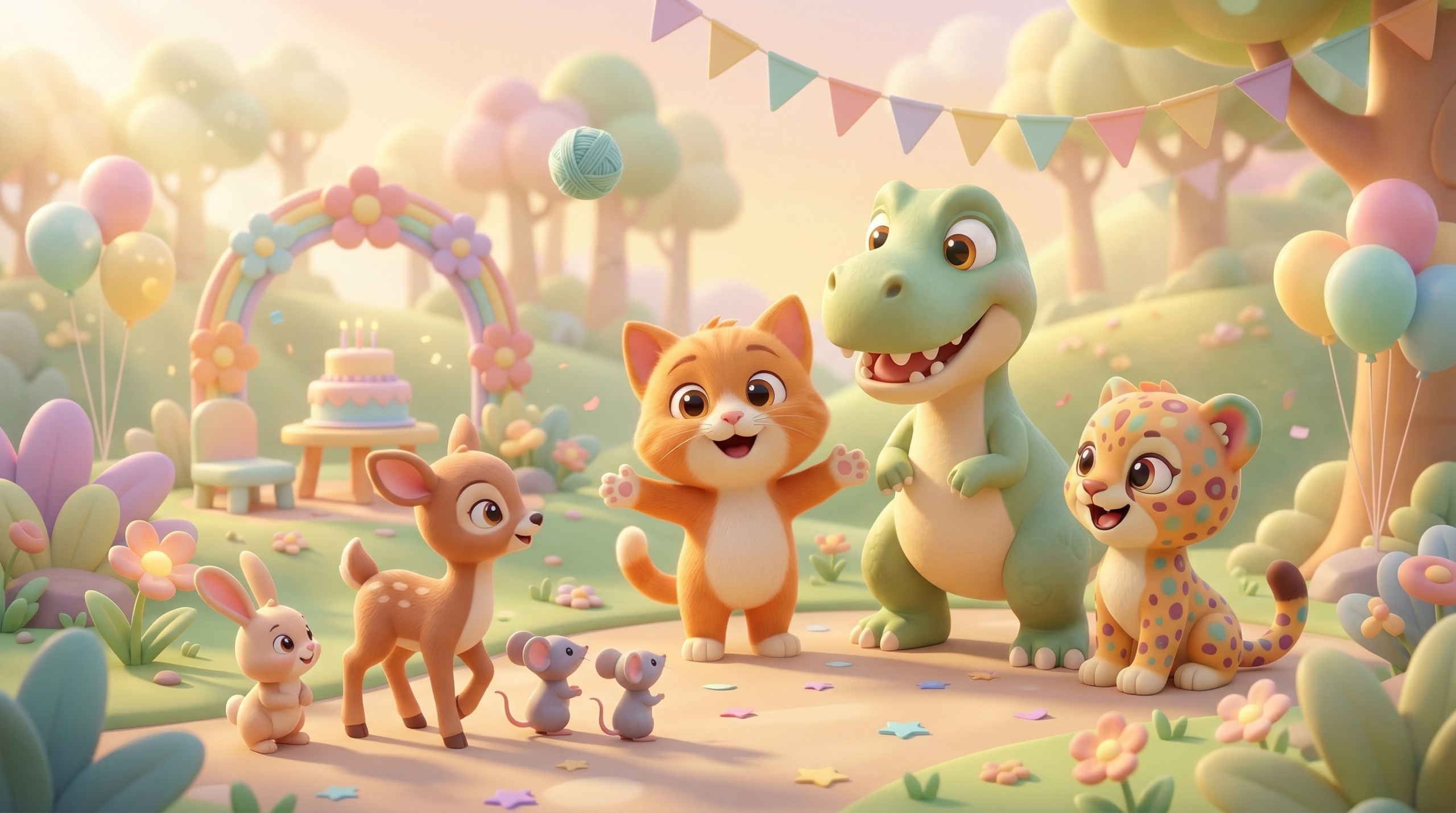
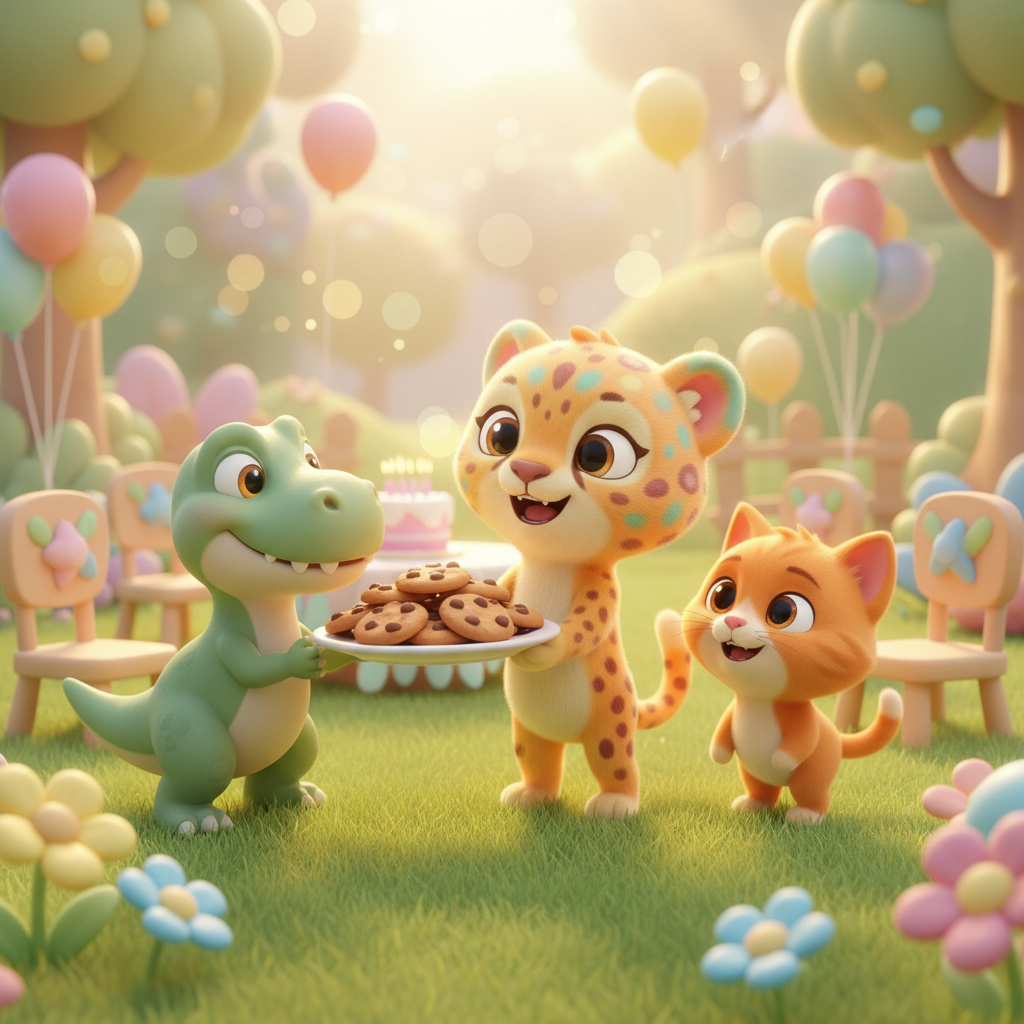
When Kitty and Dino face challenges in their stories, they often remember times when others were kind to them. These memories become templates for their own actions. Your kindness today becomes your child’s kindness tomorrow.
2. Name the Feelings
Empathy requires emotional vocabulary. A child who can only say “sad” and “mad” can’t understand the nuances of others’ experiences.
Label emotions in real time. “You’re frustrated because the tower fell down.” “She looks disappointed that she didn’t get a turn.”
Expand beyond the basics. Lonely. Excited. Nervous. Proud. Jealous. Confused. Each new word is a tool for understanding.
Connect faces to feelings. “See how his eyebrows are drawn together? That usually means worried.” Teaching children to read expressions builds observational empathy.
3. Use Stories as Empathy Machines
Books are uniquely powerful for teaching empathy because they let children inhabit other perspectives safely:
Characters face challenges. Seeing someone else struggle, fail, and try again builds understanding that everyone has hard times.
Different lives become real. A child in a book with different experiences becomes “real” to your child. This bridges gaps between “us” and “them.”
Discussion deepens understanding. “Why do you think she did that?” “How would you feel?” “What could help?” These questions turn reading into empathy practice.
How to use stories for empathy:
When Kitty and Dino help a friend in their adventures, pause and ask: “Why do you think Kitty shared her favorite toy?” “How do you think Dino felt when his friend was sad?” These moments connect story empathy to real-world action.
People Also Ask: What are good books for emotional kids?
Look for books that name emotions explicitly — “she felt a knot in her stomach” or “tears pricked his eyes.” Books where characters face relatable challenges: starting school, losing a toy, making a mistake, feeling left out. Stories that don’t rush to solutions but sit with the feeling first. And books that show kindness in action — not lecturing about it, but demonstrating it through characters who help each other.
4. Create Opportunities to Practice
Empathy is a muscle that strengthens with use. Give children chances to help:
Household contributions. Feeding the pet. Setting the table. Sorting laundry. These aren’t chores; they’re opportunities to care for others.
Caring for living things. Plants. Pets. A baby sibling. Responsibility for something vulnerable builds nurturance.
Helping friends and neighbors. Drawing a card for a sick friend. Sharing toys with a visitor. These small acts build the habit of kindness.
Start small. A three-year-old can hand napkins to the table. A five-year-old can write their name on a get-well card. The goal isn’t perfect helpfulness; it’s developing an identity as someone who helps.
5. Validate Before You Educate
When your child does something unkind, the impulse is to correct immediately. But validation comes first:
Acknowledge the feeling. “You really wanted that toy. It’s hard to wait.” This doesn’t excuse the behavior; it addresses the root.
Name the impact. “When you grabbed it, your friend felt sad. Look at her face.” Connecting action to consequence builds awareness.
Offer a redo. “Let’s try that again. How could you ask for a turn?” This teaches that mistakes are repairable.
Children shut down when shamed. They learn when understood.
6. Talk About Your Own Feelings
Parents often hide their emotions to protect children. But appropriate vulnerability teaches that feelings are normal:
Share age-appropriate struggles. “I had a frustrating day at work. I’m going to take some deep breaths.” This models emotion regulation.
Narrate your empathy. “I’m sad that Grandma is sick. I miss her. But I’m glad we can call her.” This shows that caring hurts sometimes, and that’s okay.
Let them comfort you. “A hug from you makes me feel better.” This gives children the experience of being the helper, which builds self-efficacy.
7. Celebrate Kindness When You See It
What gets noticed gets repeated. When your child shows empathy, name it specifically:
Be specific, not general. “You noticed your sister was sad and brought her blanket. That was thoughtful.” Not just “good job” or “you’re so kind.”
Focus on effort, not outcome. “You tried to help even though it didn’t work. That matters.” This encourages risk-taking in kindness.
Notice others’ kindness too. “Did you see that man help the woman with her stroller? He saw she needed help and jumped in.” This trains children to recognize kindness in the world.
The Long Game: What to Expect
Raising kind children is a years-long project. Here’s the realistic timeline:
Ages 2-4: Parallel play dominates. Sharing is hard. Empathy is mostly imitative — they comfort because they’ve been comforted. Focus on modeling and naming feelings.
Ages 5-7: Cooperative play emerges. They start noticing when others are left out. Empathy becomes more active — they offer help unprompted. Reinforce and celebrate.
Ages 8+: Abstract thinking develops. They can imagine how someone they’ve never met might feel. Deep discussions about fairness and justice become possible.
Progress isn’t linear. A child who shares beautifully at age 4 might become possessive at 5. A child who seemed oblivious at 3 might become the class comforter at 6. Keep showing up.
TL;DR — 7 Ways to Raise Kind Children
- Model kindness — especially when you think they aren’t watching
- Name feelings — build emotional vocabulary
- Use stories — discuss characters’ choices and feelings
- Create practice opportunities — responsibilities, caring for living things
- Validate first, educate second — understand before correcting
- Share your own feelings — appropriate vulnerability teaches
- Celebrate kindness — notice and name specific acts
Empathy isn’t born; it’s built. One interaction at a time, one story at a time, one small act of kindness at a time. You’re not raising a perfect child. You’re raising someone who keeps trying to be good. That’s enough.
Want stories that teach kindness? Discover the Magical Tales of Kitty & Dino — adventures where friendship, empathy, and helping others are at the heart of every story.