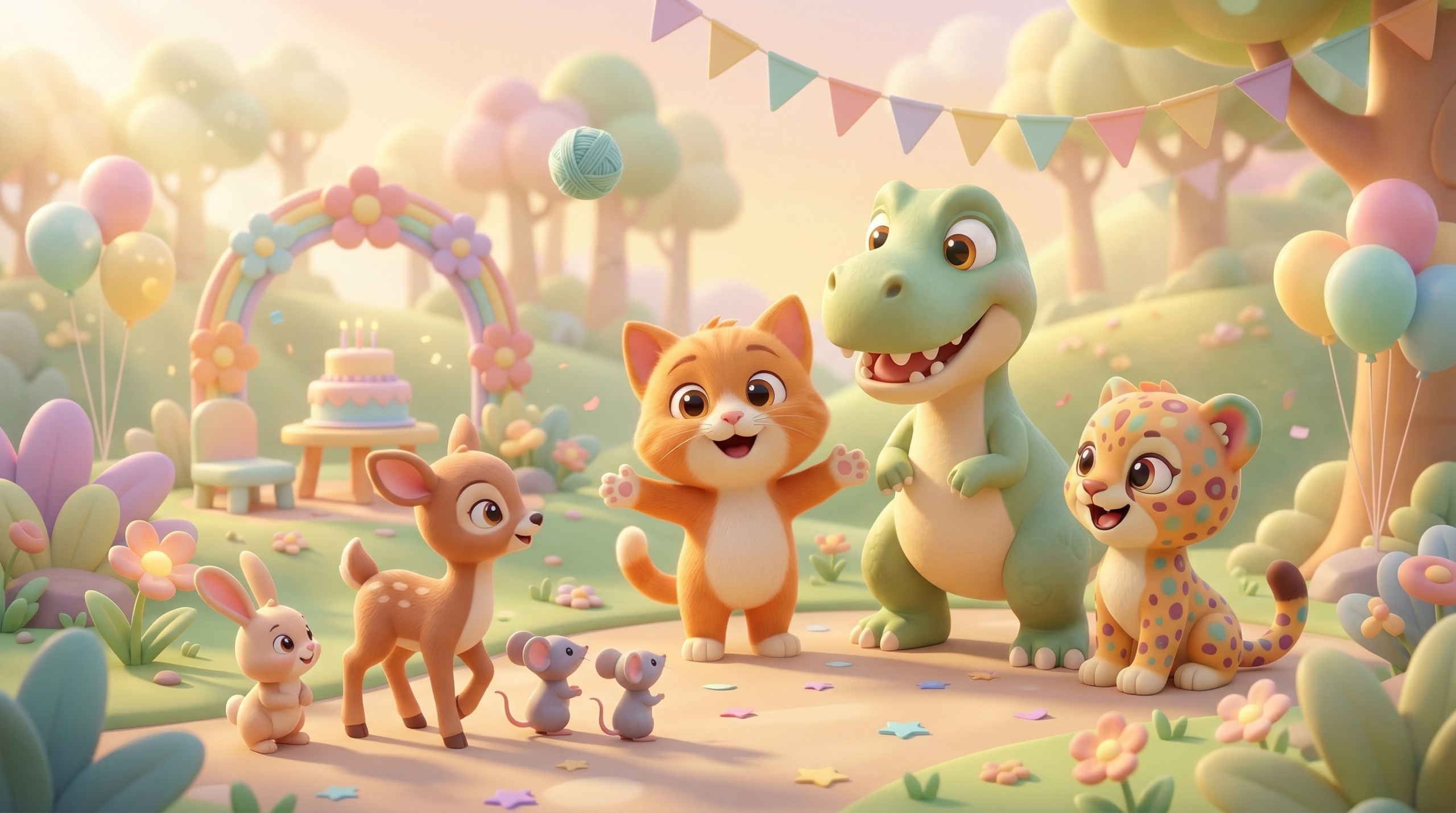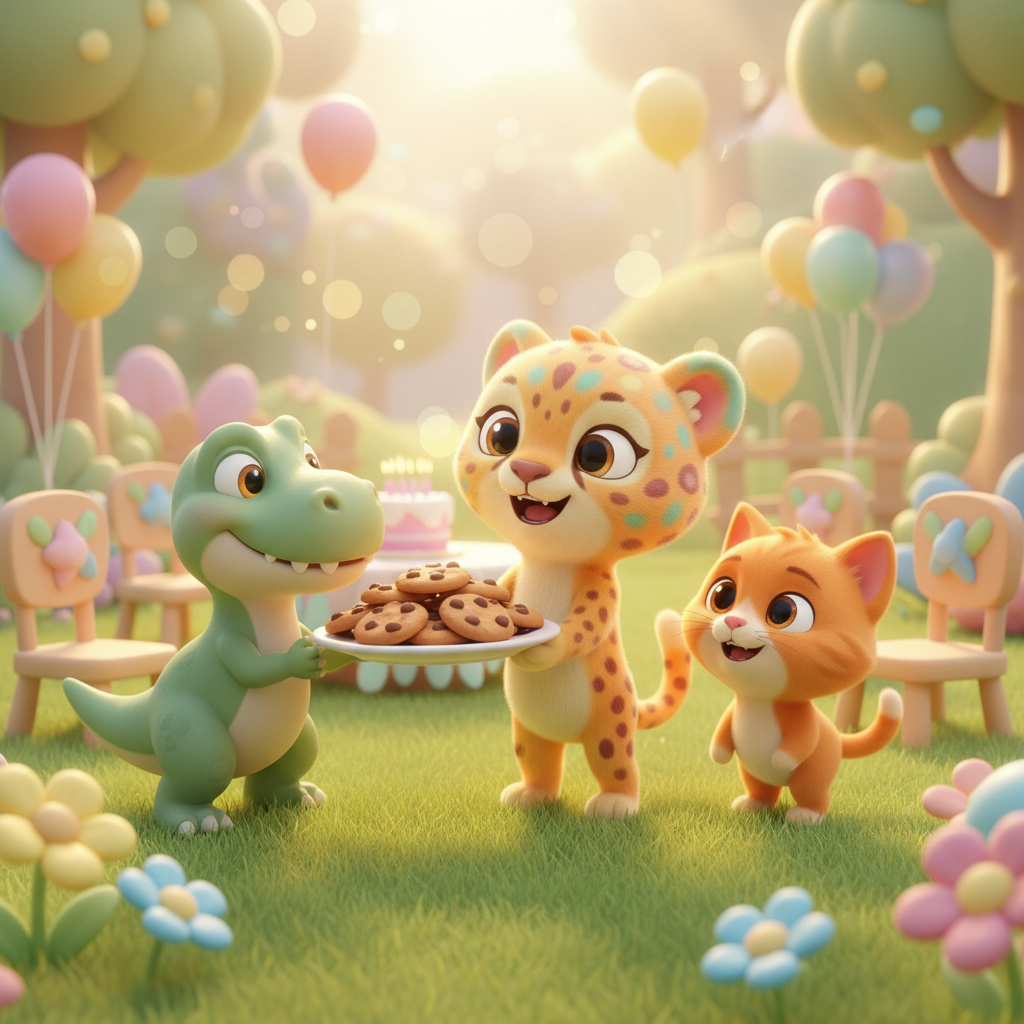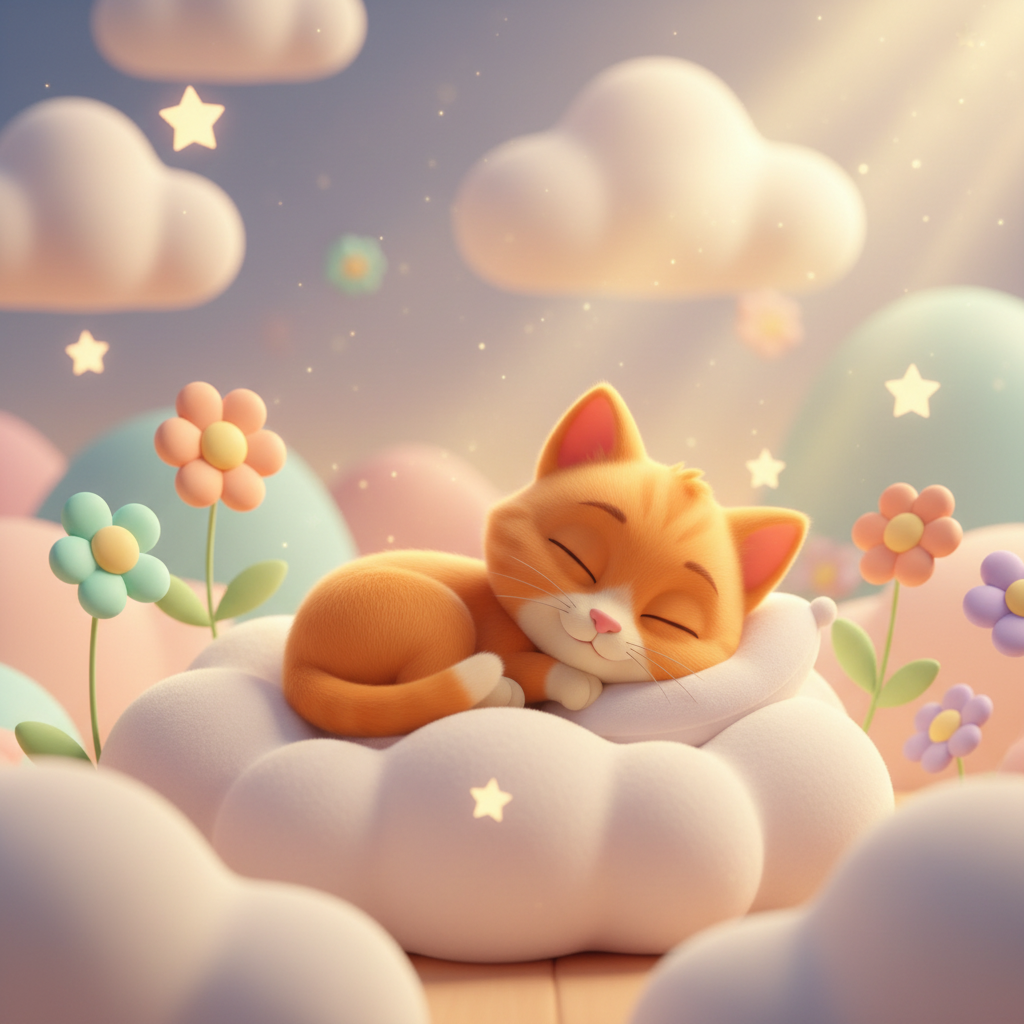
Bedtime does not have to be a battle. The right story can transform the transition from chaos to calm. Magical stories work particularly well because they engage imagination while providing emotional distance from the day’s stresses. Research from the National Sleep Foundation confirms that children with consistent bedtime routines fall asleep faster and sleep more soundly. Stories add an extra layer because they require focused attention in a low-stakes context. When a story features talking animals with magical powers, it creates psychological distance. Good bedtime stories include rich sensory language: soft moonlight, gentle breezes, cozy blankets. The Kitty and Dino series began with a father writing bedtime tales for his four-year-old son. These stories were literally designed for bedtime. They emerged from late-night storytelling sessions where the goal was peaceful sleep and meaningful connection. Every story carries that intention: helping families end days well. Start your bedtime adventure tonight with Kitty and Dino.
Key Takeaways:
- Magical stories work particularly well for bedtime because they engage imagination while providing emotional distance from the day’s stresses
- A consistent bedtime routine with stories helps children fall asleep an average of 15 minutes faster, according to sleep research
- Stories featuring magical animal characters create psychological distance that makes it easier for children to process emotions
- Rich sensory language in bedtime stories — soft moonlight, gentle breezes, cozy blankets — enhances the wind-down effect
- The Kitty and Dino series was designed specifically for bedtime, combining magical storytelling with sleep science
📌 Quick Answers
How do magical stories help children wind down for sleep? Magical stories work particularly well because they engage imagination while providing emotional distance from the day’s stresses. When a story features talking animals with magical powers, it creates psychological distance that makes it easier for children to process emotions without feeling overwhelmed. The imaginative engagement also produces the low-frequency brain waves associated with drowsiness.
What makes a good bedtime story for anxious children? Look for stories with gentle pacing, rich sensory language, familiar animal characters, and a calm resolution. Stories that model emotional regulation — characters who feel scared but try anyway, or frustrated but find comfort in friends — work particularly well. The Kitty and Dino series was designed specifically for this bedtime window, combining magical storytelling with sleep science.
How long should a bedtime story be? The ideal bedtime story is as long as your child stays engaged — typically 5-15 minutes for ages 3-6. The key is stopping before your child loses interest, leaving them wanting more tomorrow night. A slightly short session that ends on a high note beats a long session where energy fades into restlessness.
Does reading before bed actually help children sleep better? Yes, research from the National Sleep Foundation confirms that children with consistent bedtime routines fall asleep faster and sleep more soundly. Stories add an extra layer because they require focused attention in a low-stakes context — sustained attention naturally transitions to drowsiness, making the path to sleep smoother.
TL;DR Summary
Quick Takeaways:
- Magical bedtime stories engage imagination while providing emotional distance from daily stresses
- Consistent bedtime stories reduce sleep-onset resistance by an average of 15 minutes
- Rich sensory language (soft moonlight, cozy blankets) enhances the natural wind-down effect
- Focus on quality engagement — stopping before energy fades leaves children wanting more
- The Kitty and Dino series combines magical storytelling with sleep science for better bedtime routines
📚 Get the Books
Want to read magical bedtime stories with your child?