

7 min read
Magical garden children’s books are a good fit for bedtime because they mix adventure with calm. A child steps into a world where tomato vines have legs and sunflowers smile, then closes the book feeling safe and a little inspired. That balance, a bit of excitement settling into reassurance, is exactly what a bedtime story should do.
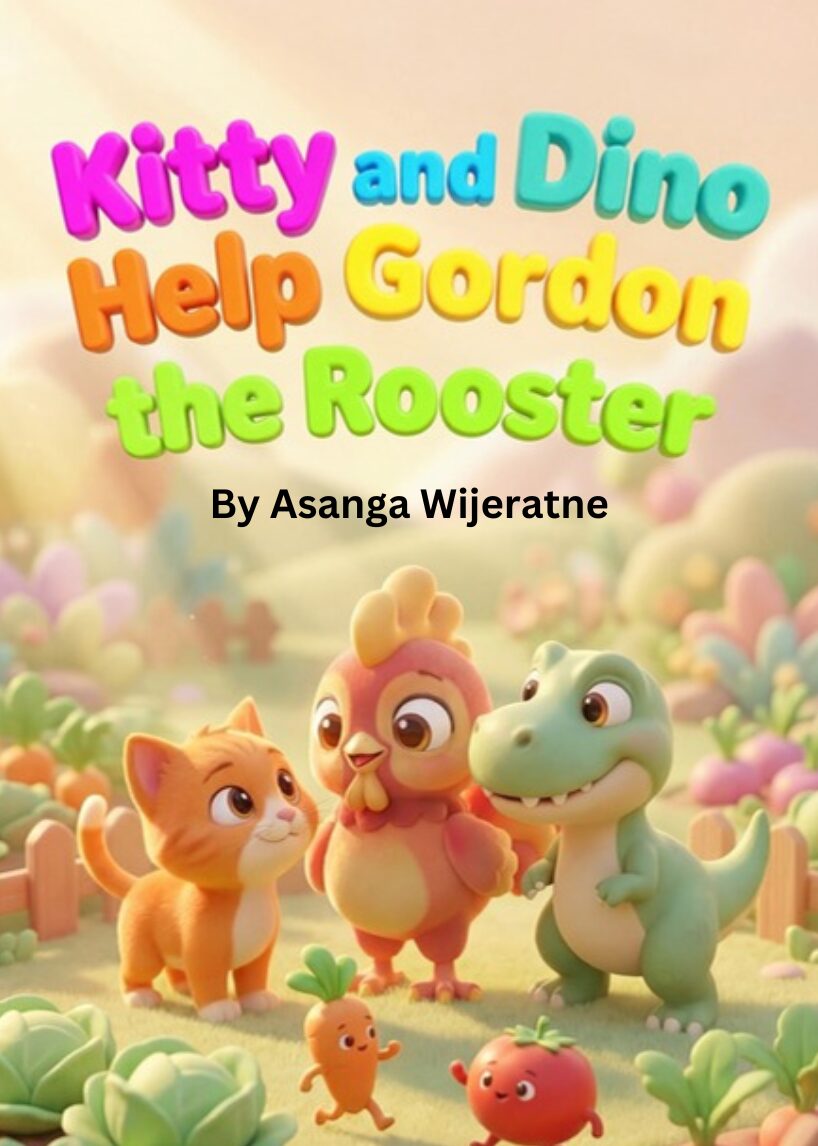
My favorite example is one I wrote myself. In Gordon the Rooster, the garden isn’t just a backdrop. It is the whole engine of the story. Gordon’s vegetables wake up one morning and find they can walk, and they start wandering off at night. Kitty and Dino step in to help them play safely and find their way home. Underneath the fun, it is a story about caring for growing things, and the quiet idea that every living thing is worth looking after.
Key Takeaways
- Magical garden stories pair adventure with a calm, safe ending, which is what makes them work at bedtime.
- Plants with personalities make nature feel alive to a young child instead of boring.
- The best ones have a clear arc that settles down by the last page, not a cliffhanger.
- Gordon the Rooster is a walking-vegetable garden adventure for ages 3 to 8, free to read with Kindle Unlimited.
Why magical gardens pull young readers in
Children are fascinated by things that shouldn’t move but do. A carrot with legs is funny, surprising, and a little absurd, and that makes it stick. In Gordon the Rooster, the plants wake up one morning and realize they can walk. Tomatoes dance in circles. A cabbage rolls around. A small walking carrot leads Gordon on a chase across the garden.
That kind of image stays with a child. It makes plants interesting instead of something to be nagged about at dinner. If your child has ever pushed a vegetable to the edge of the plate, a story where vegetables have adventures can shift something. Not overnight. But over time, stories like this build a warmer relationship with the natural world than “eat your greens” ever will.
What makes children love stories about growing things?
Children love stories where things grow and change, because it mirrors their own life. They are growing too. A plant that suddenly has legs is a kind of growing-up they can understand. The plant didn’t ask to be different. It just became something more. That is a comforting idea for a child who is constantly being told to grow up.
Gordon’s plants don’t want to leave. They just want somewhere fun to go at night. When Kitty and Dino grow a playground of slides, tunnels, and hills from the earth, the plants get what they need without wandering into the forest and getting lost. It is a story about finding your place, told through vegetables.
What makes a garden story quietly educational
The best learning stories don’t feel like learning. A child lost in Gordon’s garden is picking up plant care, a little ecosystem sense, and the idea of responsibility, without noticing any of it. The plants need water, sunlight, and room to play. Gordon needs to keep them safe. Kitty and Dino have to understand what the plants actually want before they can help.
There is a gentle lesson about cause and effect too. When a sparkling stream forms around the garden, the plants learn to follow it home at night. The stream is a guide, not a wall. They are free to play, but the path back is clear. That is a smart, kind solution, and it is worth talking about with your child after the last page.
If your child likes the idea of looking after a living, growing thing, Otty the Deer is a good next read. It is about protecting a very old tree, a quieter kind of garden story with the same care-for-what-grows heart.
How do plant stories teach kids about nature?
Plant stories reach a young child better than a nature book, because they give the plants a point of view. In Gordon the Rooster, the plants are characters. They want things. They get tired. They want to play, and then they want to go home. When a child sees that plants have needs, even pretend ones, they are building the start of real care for living things.
Buy the paperback →
or read free with Kindle Unlimited
Building a magical garden bedtime routine
Finding a magical garden book that actually works at bedtime is harder than it sounds. A lot of them are too loud or too long for winding down. The good ones open with a little energy and settle into calm by the end. Gordon the Rooster follows that shape. It starts with Gordon chasing a walking carrot and ends with every plant playing safely inside a sparkling stream. The story mirrors the bedtime routine itself. Activity, then resolution, then rest.
If your child loves it, you can lean into the garden theme for the whole evening. Water a plant together in the afternoon. Wonder aloud about what it might get up to at night. Read the story, then imagine what the plants on your own windowsill might be doing after dark. That kind of play stretches the story past the last page and gives you a shared language to come back to, night after night. If that kind of play is what you’re after, our list of picture books that encourage imagination has more.
What is the ideal bedtime story routine for a preschooler?
Most of what helps is consistency. Read at the same time, in the same place, most nights. Pick books that slow down as they go, starting with a little energy and ending on calm. A predictable rhythm matters more than any single title. If you want more on matching books to your child’s stage, see how to choose picture books by age.
The same calm, predictable approach shapes our mornings too, see how we start the day calm. And if you are wondering when to start any of this, here is the honest answer on age.

