Key Takeaways
- Why do bedtime reading routines matter? They signal the brain it’s time to sleep, reducing bedtime battles by up to 40%.
- How long should a bedtime reading routine be? Just 15-20 minutes is enough to create a calming transition.
- What makes a bedtime reading routine effective? Consistency, a quiet environment, and letting your child pick the book.
Bedtime doesn’t have to be a struggle. For countless parents of children ages 3 to 8, the transition from playtime to sleep time feels like running a daily marathon. But what if the secret to peaceful evenings isn’t stricter rules — it’s a simple bedtime reading routine?
Research from the American Academy of Pediatrics shows that children with consistent bedtime routines fall asleep faster, sleep longer, and wake up less during the night. Reading together isn’t just about literacy — it’s about creating a predictable, calming ritual that tells your child’s brain: it’s time to rest.
The Science Behind Bedtime Reading
When you read to your child before bed, something remarkable happens. Their heart rate slows. Their breathing deepens. The gentle rhythm of your voice activates the parasympathetic nervous system — the body’s “rest and digest” mode.
Unlike screens, which emit blue light that suppresses melatonin, physical books create a multi-sensory experience that naturally promotes sleepiness. The feel of pages, the soft lighting, and the cozy closeness of being tucked next to a parent all signal safety and relaxation.
Your 15-Minute Bedtime Reading Routine Template
Here’s a simple, repeatable framework that works for busy parents:
Minute 0-3: Wind Down Signal
Dim the lights. Put away devices. Announce “story time” in a calm, warm voice. This transition cue helps your child shift from play mode to sleep mode.
Minute 3-5: Let Them Choose
Offer two or three book options. Giving your child agency reduces bedtime resistance. Keep bedtime books in a special basket so they feel like “sleep time books.”
Minute 5-13: Read Together
Snuggle up. Use expressive voices, but keep the overall energy calm. Pause to ask simple questions: “What do you think happens next?” This engagement without overstimulation is the sweet spot.
Minute 13-15: The Closing Ritual
Finish with a consistent phrase: “The end. Sweet dreams.” A kiss, a hug, and lights out. Repetition creates predictability — and predictability creates security.
People Also Ask: What are the best bedtime books for different ages?
Ages 3-4: Look for books with simple plots, rhythmic language, and familiar themes. Picture books with 200-300 words work best. Think gentle adventures with happy endings.
Ages 5-6: Children this age can handle slightly longer stories with more complex characters. They love repetitive phrases they can “read” along with you.
Ages 7-8: Early chapter books or longer picture books work well. Let them read a page, you read a page. This builds confidence while maintaining connection.
5 Common Bedtime Reading Mistakes to Avoid
1. Reading for too long. When bedtime reading stretches past 20-30 minutes, it can actually stimulate rather than calm. Keep it brief and sweet.
2. Starting too late. An overtired child can’t focus on a story. Begin your routine while your child is still reasonably alert.
3. Using screens “just for books.” E-books and reading apps on tablets don’t provide the same sleep benefits as physical books. The blue light and interactive features are too stimulating.
4. Skipping the routine when you’re tired. Consistency is what makes routines work. Even a three-minute story is better than skipping entirely.
5. Turning it into a lesson. Bedtime reading shouldn’t feel like homework. Don’t quiz your child on the story or force them to sound out words. Just enjoy the time together.
People Also Ask: How do I start a bedtime reading routine if my child hates reading?
Start with just 5 minutes. Let them choose any book — even if it’s the same one every night for a month. Make it about connection, not education. Some children prefer “reading” wordless picture books and telling their own stories. Follow their lead.
Building Your Bedtime Book Collection
You don’t need a massive library. A small basket of 8-10 beloved books is better than a shelf of forgotten ones. Look for:
- Stories with gentle, positive themes
- Characters your child can relate to
- Artwork that invites them to linger on each page
- Topics that spark their imagination without overstimulating
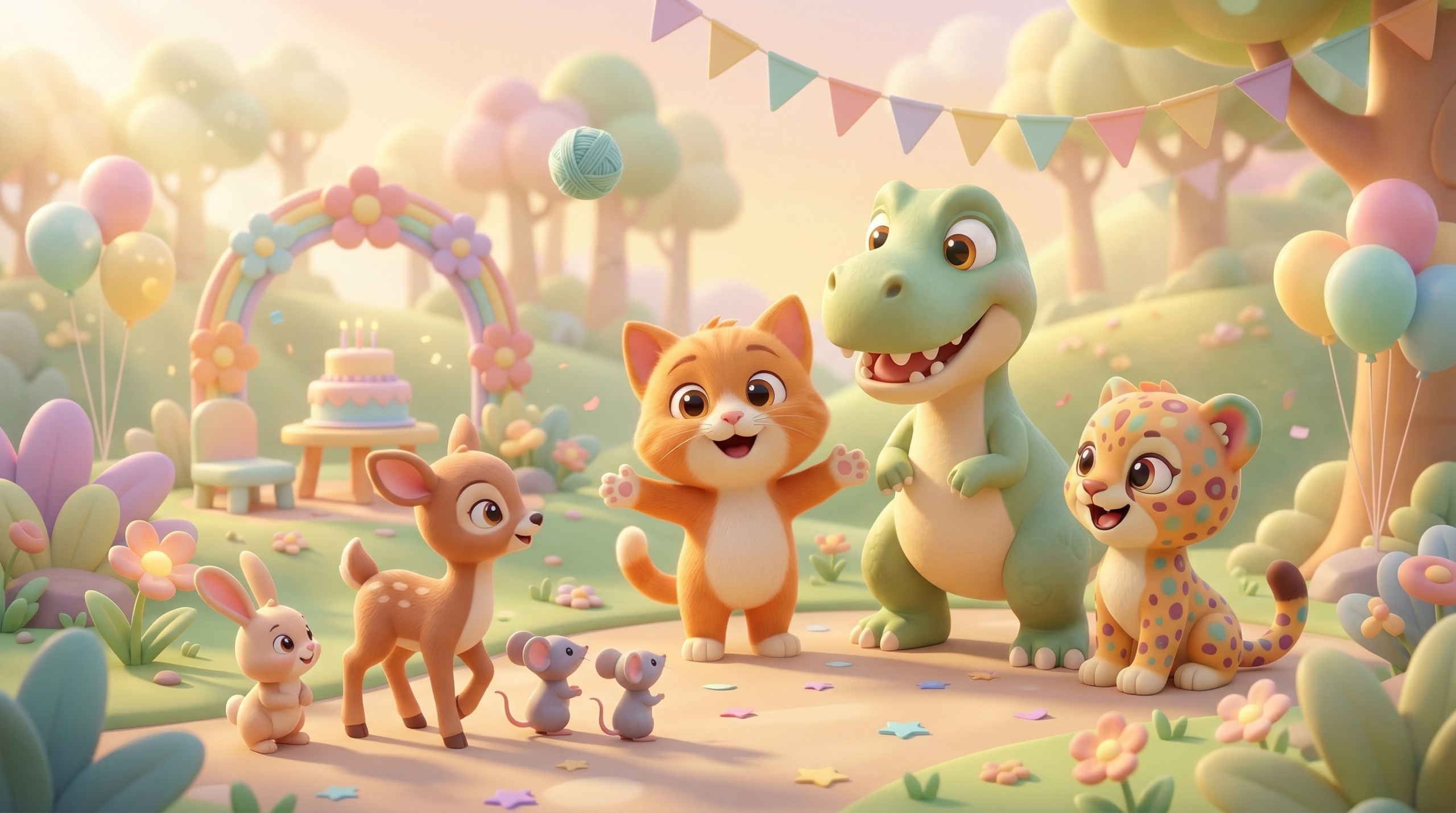
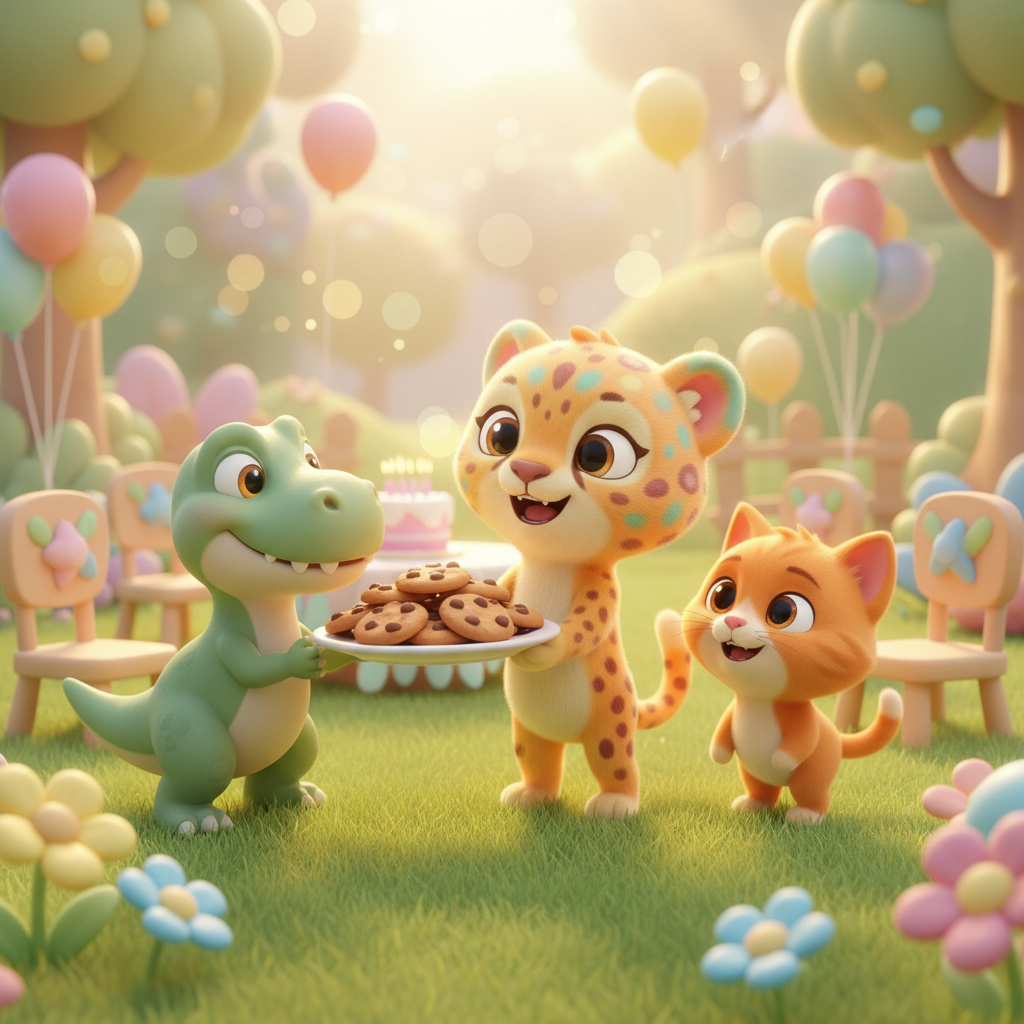
Magical Tales of Kitty & Dino offers a wonderful collection of gentle adventure stories perfect for bedtime reading. With charming characters like an orange tabby cat and a friendly green dinosaur, these picture books strike the perfect balance between engaging and calming.
People Also Ask: Can I read the same book every night?
Absolutely! Repetition is comforting for young children. Hearing the same story builds familiarity and confidence. They’ll start “reading” along with you, which builds early literacy skills naturally.
TL;DR — Your Bedtime Reading Routine in Brief
- Bedtime reading helps children fall asleep faster and sleep more soundly
- Aim for 15-20 minutes of calm, connected reading time
- Keep the routine consistent: signal → choose → read → close
- Let your child pick the book to reduce resistance
- Avoid screens and overstimulating content
- It’s about connection, not education — keep it pressure-free
Ready to start? Explore the Magical Tales of Kitty & Dino series — gentle adventure stories perfect for winding down at bedtime.