5 Bedtime Stories That Teach Kids It’s Okay to Be Different
I learned something important last week while watching my son dismantle his remote-controlled car. Screws went flying. Parts rolled under the couch. He couldn’t get it back together. I stood there, watching him struggle, lose pieces, and create what looked like a complete mess.
Then it hit me: that mess wasn’t failure. It was creativity taking shape. He wasn’t breaking things—he was exploring how they worked. Taking things apart, making mistakes, trying again. That’s exactly what I want him to understand about himself too: being different isn’t something to fix. It’s something to explore.
Key Takeaways
Why do bedtime stories help kids accept being different? Stories create safe spaces where children see characters navigate difference, building empathy and self-acceptance through narrative.
What age should we start reading about diversity? Ages 3-5 are ideal—children are forming self-concept and notice differences naturally.
How do I know if my child feels “different”? Watch for hesitation in group settings, negative self-talk, or questions about why they don’t match peers.
When Being Different Feels Hard
My son’s dismantled car sat on our table for three days. He tried reassembling it several times. Each attempt looked different from the last. At one point, he had extra screws left over and declared he’d invented a “new kind of car.”
That’s childhood—messy, experimental, rarely following instructions. As parents, we want to step in. We want to fix the extra screws. Show them the “right” way. But sometimes the best gift we can give is letting them sit with their own unique process.
Children who feel different—whether because of how they learn, play, look, or think—need stories that reflect their experience. They need characters who don’t fit the mold and discover that’s exactly where their power lies.
People Also Ask: Is it normal for my child to play differently than other kids?
Yes, completely normal. Children develop unique play styles based on temperament, learning preferences, and individual interests. Some kids are builders. Some are storytellers. Some need to take things apart to understand them. What looks like “different” play is often just personalized learning.
5 Stories That Celebrate Being Different
Here are five approaches to bedtime reading that help children embrace what makes them unique:
1. The Tinkering Child
Look for stories where characters build, experiment, or take things apart. Just like my son with his remote car, these narratives validate the child who learns by disassembling. They send a clear message: Your curiosity is not a problem to solve.
2. The Quiet Observer
Some children process the world internally first. Stories featuring thoughtful, reserved characters help these kids recognize their own strengths. They learn that watching before leaping isn’t weakness—it’s wisdom gathering.
3. The One Who Doesn’t Fit
Characters who literally don’t match their settings—wrong size, different color, unusual shape—provide mirrors for children who feel like outsiders. These stories teach that “not fitting” often means you’re exactly where you’re needed.
4. The Mistake Maker
Stories where characters fail forward are gold. When a character tries, fails, and tries differently, children internalize that perfection isn’t the goal. Progress is.
5. The Unexpected Friend
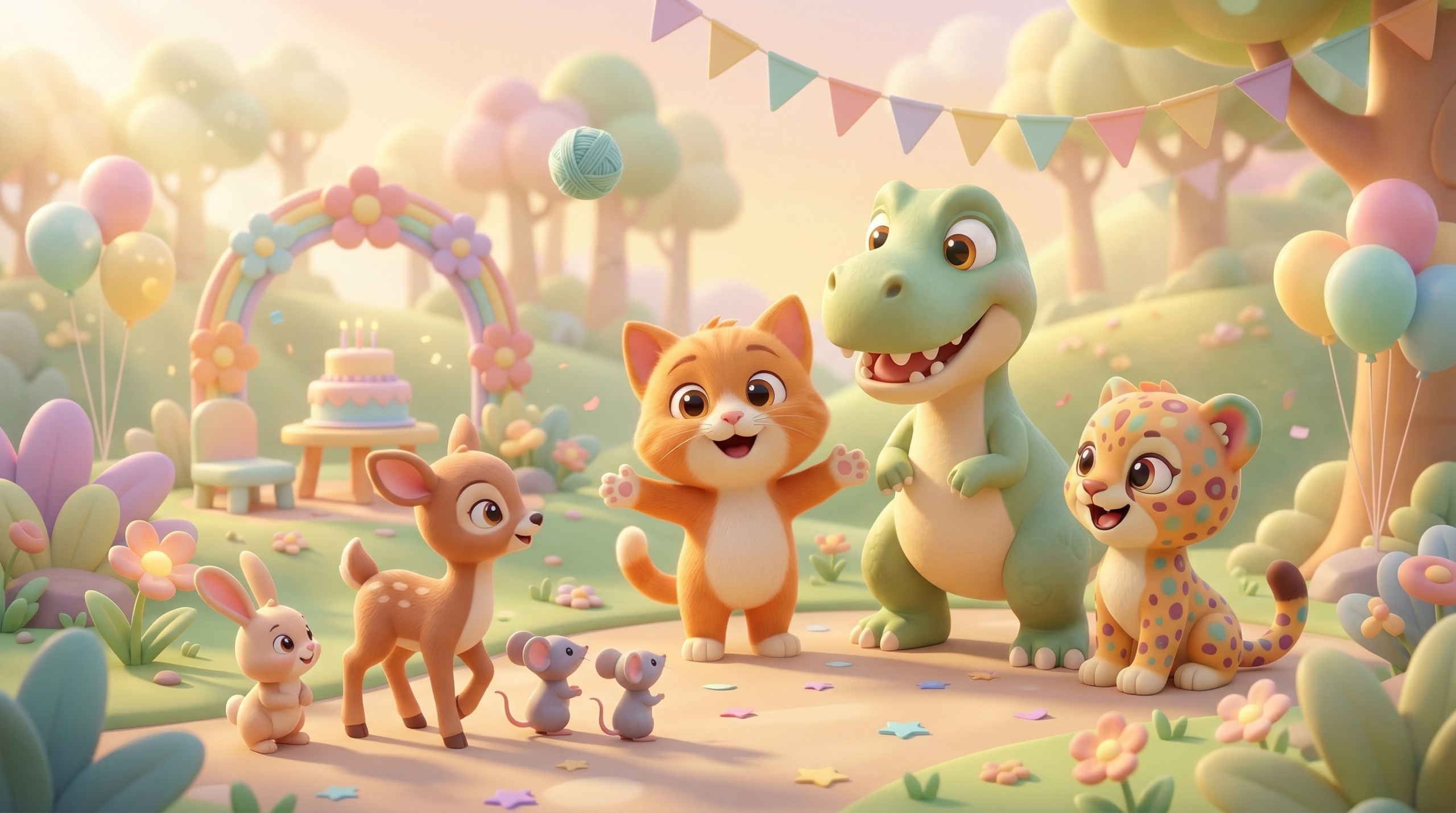
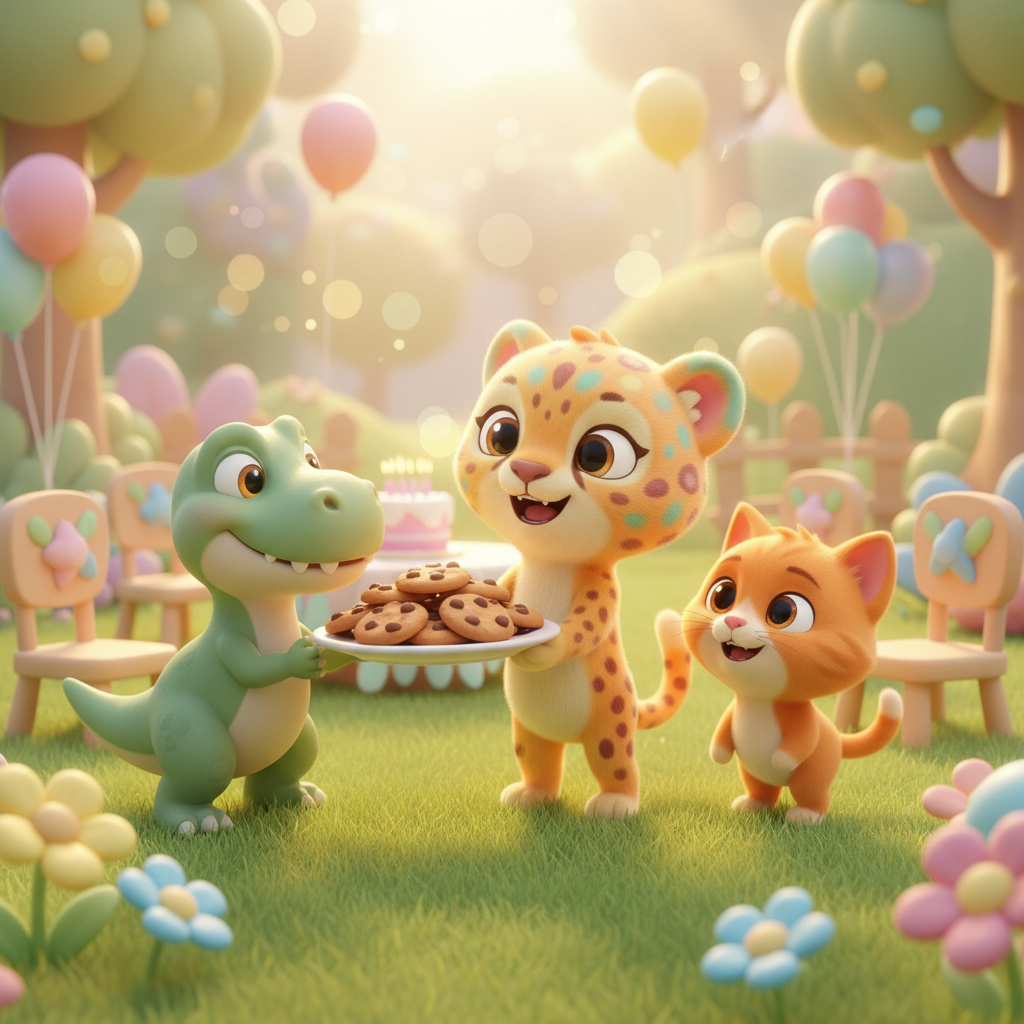
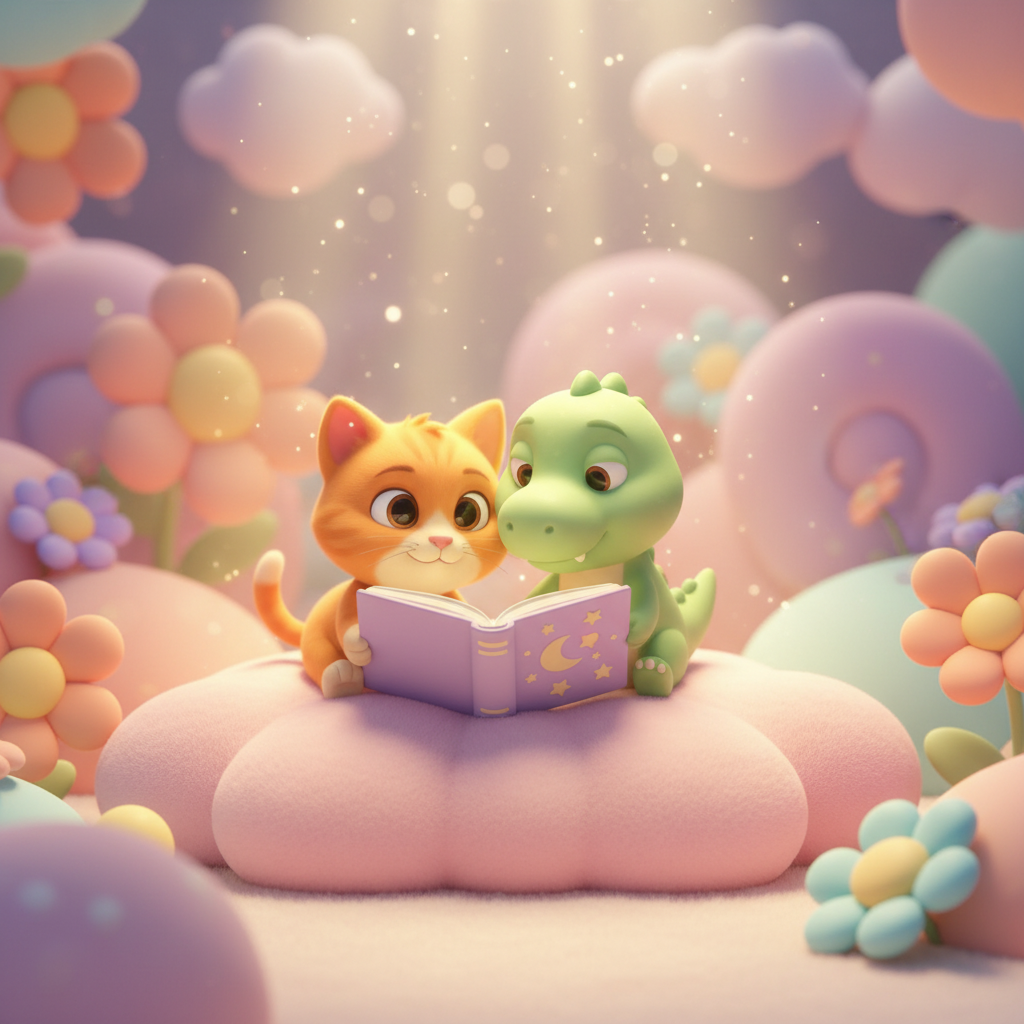
Friendship stories between unlikely pairs show children that connection doesn’t require sameness. A cat and a dinosaur can be best friends. So can a shy child and an outgoing one. Difference becomes the bridge, not the barrier.
People Also Ask: How do I talk to my child about feeling different?
Start with curiosity, not correction. Ask: “What makes you feel different?” rather than dismissing the feeling. Use stories as conversation starters—”This character felt different too. What do you think they did that helped?” Validate the emotion first, then explore solutions together.
In Our Stories: Penny the Rat
In the Kitty & Dino series, Penny the Rat builds a greenhouse with her friends. The first attempt doesn’t go well. Neither does the second. But Penny keeps trying different approaches, and eventually, something wonderful grows.
This is what I want my son to remember about his disassembled car: The person who takes things apart to see how they work is the same person who grows up solving problems no one else can see. The “mess” is actually the earliest version of innovation.
Making Bedtime Count
The best bedtime stories aren’t just entertainment—they’re permission slips. They tell children: You can be exactly who you are. You can learn your own way. You can take the screws out and see what happens.
When we read stories about characters who navigate their own path, we give our children language for their experience. The child who feels different isn’t broken. They’re reading from a different page—and often, that’s where the most interesting stories live.
People Also Ask: What if my child doesn’t like the books I choose?
Follow their interests, not your agenda. If they love taking things apart, find stories about builders and inventors. If they’re quiet, find gentle narratives. The “right” book is the one that makes your child feel seen. Don’t force classics—follow their curiosity.
The Gift of Imperfection
My son never did get that remote car back together exactly right. But he learned how gears interact. He discovered that some screws are different sizes for a reason. He created three “inventions” from the spare parts. Most importantly, he learned he could figure things out himself.
That’s the lesson I hope stays with him: Different isn’t defective. Messy isn’t wrong. The path that doesn’t follow the instructions might be the one that leads somewhere entirely new.
Bedtime stories that embrace difference give our children this gift. They say: You don’t have to fit the mold. You can make your own.
TL;DR
- Children learn through different approaches—messy exploration is valid learning
- Bedtime stories about “different” characters build self-acceptance and empathy
- Look for narratives featuring: tinkerers, quiet observers, misfits, mistake-makers, and unlikely friends
- Use stories as conversation starters about difference, not lectures
- The goal isn’t fitting in—it’s helping children see their unique path has value
Ready to explore more? Discover stories where characters celebrate what makes them unique.