Key Takeaways
Why do kids love storytime so much?
Kids love storytime because it combines connection, attention, imagination, and comfort. When you read together, you’re giving your child your full presence — and that feels like magic to them.
What age should you start storytime?
Start from infancy. Babies don’t understand the words yet, but they respond to your voice, the rhythm of language, and the warmth of being held. By ages 3-8, storytime becomes a treasured daily ritual.
How long should storytime last for ages 3-8?
For ages 3-4, 10-15 minutes is ideal. For ages 5-8, 20-30 minutes works well. The key is stopping before your child loses interest — you want them asking for more, not waiting for it to end.
It’s not about the book. Not really.
When a child tugs your shirt and says, “One more book, please?” they’re asking for something bigger: your undivided attention. Your voice. Your lap. The feeling that for these few minutes, nothing else matters.
Storytime is one of the few moments in a child’s day when they have a parent’s complete presence. No phone. No distractions. No multitasking. Just you, them, and a story.
That’s why storytime feels like magic to kids. And that’s why they ask for more — not because they need to hear the same book again, but because they need to feel that connection again.
What Actually Happens During Storytime
Connection First, Content Second
When you read to a child, you’re creating a bond that goes beyond the story. Your voice becomes familiar and comforting. Your lap becomes a safe space. Your attention becomes a gift.
This matters more than any reading skill. Children who associate books with warmth and connection grow up wanting to read. Children who associate books with pressure and performance often don’t.
Vocabulary Grows Without Trying
A children’s book contains 50% more rare words than a prime-time TV show. That’s not a typo — books use richer vocabulary than spoken conversation or most children’s media.
When you read “The caterpillar munched through one apple, two pears, three plums,” your child learns words like “munched” and “plums” in context. They don’t need flashcards. They just need you to read the book.
Imagination Gets a Workout
Screens show children exactly what to see. Books ask children to imagine. When you read about a dragon, your child creates the dragon in their mind. When you read about a journey, they travel alongside the character.
This mental imagery builds comprehension skills that screens can’t replicate. Children who visualize stories understand what they read more deeply.
Emotional Skills Develop Naturally
Stories let children experience emotions safely. A character gets lost, feels scared, and finds their way home — and your child processes those feelings through the safety of a book.
This is why kids ask for the same book over and over. They’re working through something. The repetition helps them understand and master emotions that might otherwise feel overwhelming.
Why Ages 3-8 Are the Sweet Spot
Ages 3-4: Language Explosion
Between ages 3 and 4, children’s vocabularies grow from about 200 words to over 1,000. Storytime fuels this explosion. Every book introduces new words, new concepts, new sentence structures.
At this age, children also start understanding that stories have structure — beginnings, middles, ends. They begin predicting what will happen next, which builds comprehension.
Ages 5-6: Reading Readiness
Around ages 5-6, children start connecting spoken words to printed ones. Storytime becomes the foundation for independent reading. Children who’ve heard thousands of stories already know what reading sounds like — the rhythm, the expression, the way sentences flow.
This is also when children start asking “What does that say?” — pointing to words, recognizing letters, connecting sounds to symbols.
Ages 7-8: Comprehension and Fluency
By ages 7-8, many children are reading on their own. But storytime still matters. Hearing an adult read fluently — with expression, pacing, and emotion — shows children what reading should sound like.
At this age, you can read chapter books aloud, discussing themes, characters, and predictions. This builds the comprehension skills that make school reading feel manageable rather than overwhelming.
What Makes Storytime Feel Magical to Kids
Predictability and Ritual
Children thrive on knowing what comes next. A consistent storytime — same time, same place, same sequence — creates a ritual that feels safe and special.
This is why bedtime stories work so well. The ritual signals: “The day is ending. You are safe. We are together. Now we read.”
Your Voice, Your Presence
When you read aloud, your child hears your voice differently than everyday speech. Slower. More expressive. Intentional.
This matters. Children pay more attention to the emotional tone of a voice than to the words themselves. Your reading voice says: “This is important. You are important. This moment matters.”
Books They Choose
Let your child pick the book. Even if it’s the same one for the twentieth time. Even if you’re tired of it.
When children choose, they’re more invested. They feel ownership. The storytime becomes theirs, not something imposed on them.
Interactive Elements
Storytime isn’t passive. Ask questions. Point to pictures. Make predictions together. Let your child turn the pages.
Interactive reading builds comprehension and keeps children engaged. It also turns storytime into a conversation, not a performance.
How to Create a Storytime Ritual Kids Actually Want
Pick a Consistent Time
Bedtime is classic for a reason — it signals the end of the day and creates a calm transition to sleep. But any time works as long as it’s predictable.
Some families read after breakfast. Some read during afternoon quiet time. Some read before naps. The specific time matters less than the consistency.
Create a Cozy Space
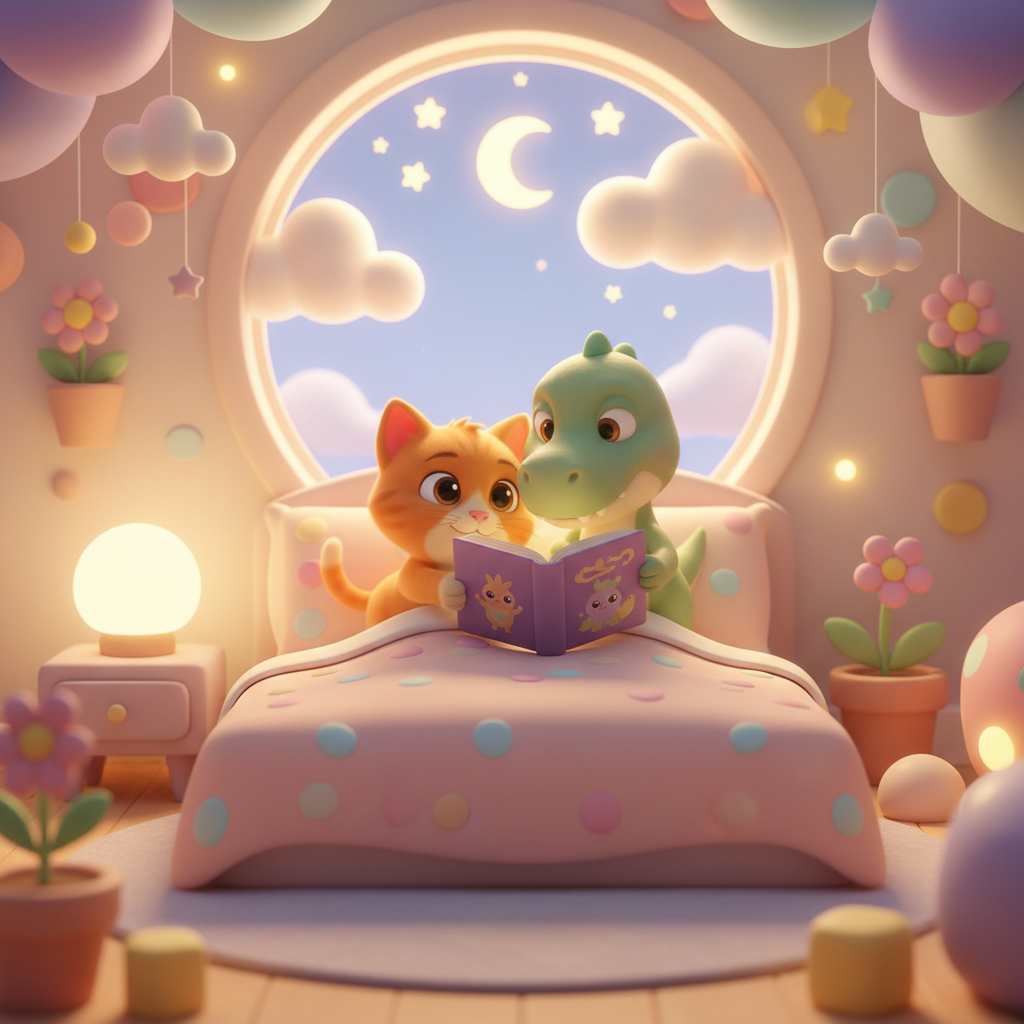
A designated reading nook — even just a pile of pillows in a corner — makes storytime feel special. Children associate the space with books and connection.
Keep books accessible. A low shelf or basket of books your child can reach makes it easy for them to bring you a book when they’re ready.
Let Your Child Lead
If your child wants to stop halfway through a book and switch to another, let them. If they want to talk about one picture for five minutes, let them.
Storytime isn’t about finishing books. It’s about engaging with stories. Follow your child’s interest, not a page count.
Make It Fun, Not a Chore
If storytime feels like a requirement (“We must read for 20 minutes because experts said so”), your child will resist. If it feels like a treat (“Let’s see what happens to the bear!”), they’ll ask for more.
Keep it light. Use funny voices. Act out scenes. Laugh together. The goal is positive association, not educational outcomes.
People Also Ask
What if my child won’t sit still for storytime?
This is normal, especially for ages 3-4. Let them play quietly while you read. They’re listening even if they’re moving. You can also try shorter books, interactive books with flaps or textures, or reading during meals when they’re naturally sitting.
How many books should I read at storytime?
For ages 3-4, 2-3 short books is plenty. For ages 5-8, 1-2 longer books or a chapter from a chapter book. The key is stopping while they’re still engaged, not when they’re bored.
Should I read the same book over and over?
Yes. Repetition builds familiarity, vocabulary, and confidence. Children notice new details with each reading. They love predicting what comes next. The hundredth reading teaches them something different from the first.
What if I don’t have time for storytime every day?
Consistency matters more than frequency. Three storytimes a week at the same time is better than daily storytimes that feel rushed or stressed. Quality over quantity.
TL;DR
Kids love storytime because it’s about connection, not just content. When you read together, you’re giving your child your full attention, your voice, and your presence. Here’s what matters:
- Connection first: The book is the vehicle; the relationship is the destination
- Vocabulary grows naturally: Books contain richer words than everyday speech
- Imagination builds comprehension: Visualizing stories creates deeper understanding
- Emotions process safely: Stories let children experience feelings through characters
- Ages 3-4: Language explosion, understanding story structure
- Ages 5-6: Reading readiness, connecting words to print
- Ages 7-8: Comprehension and fluency, discussing themes
The magic isn’t in the book. The magic is in the time together.
Internal Links
- What Makes a Good Picture Book for 3-5 Year Olds? — How to choose books for storytime
- Best Birthday Books for 3 Year Olds — Great additions to your storytime collection
- All Books — Explore more books for storytime