7 Signs Your Child Is Ready to Read Independently (And How to Support Them)
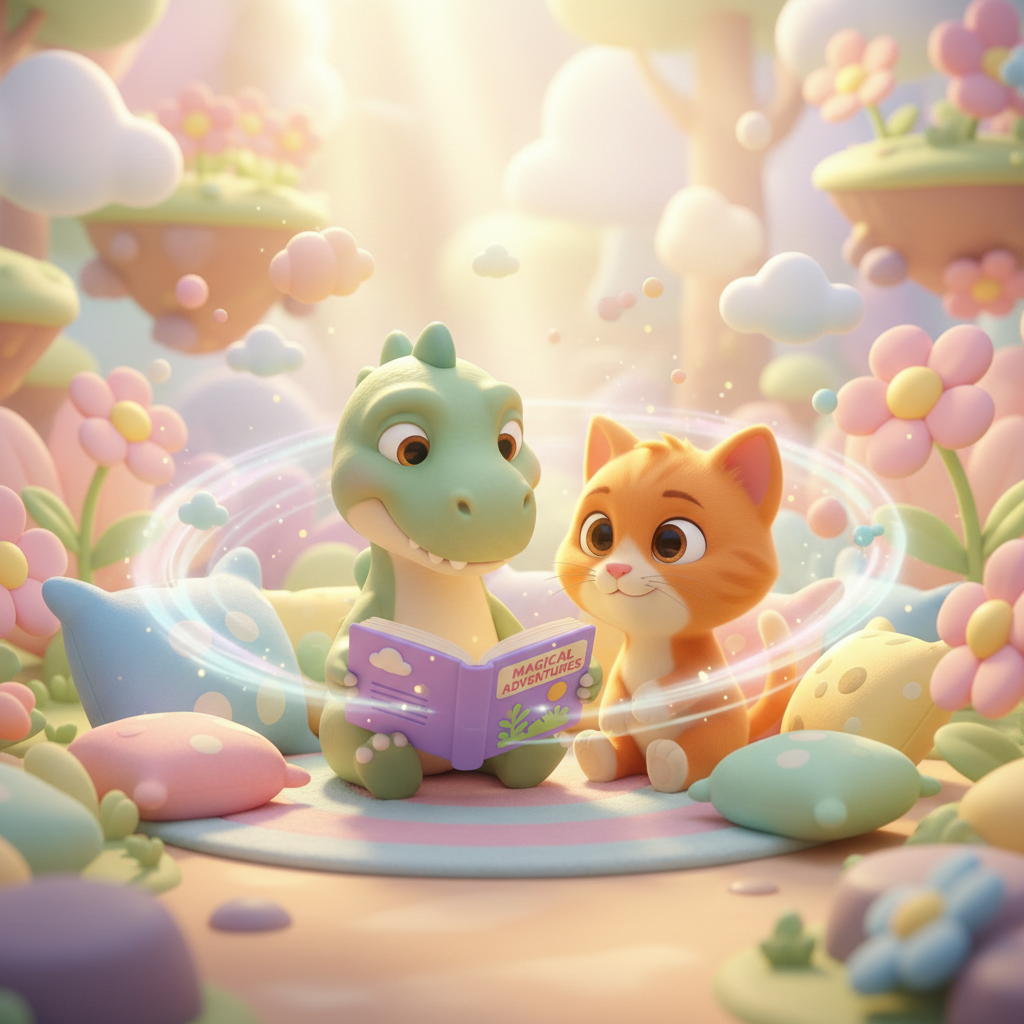
The transition from reading together to reading alone is one of the most significant milestones in a child’s literacy journey. But knowing when your child is ready—and how to support them without pushing too hard—can feel like navigating without a map. This guide reveals seven clear signs that indicate your child is ready to explore books independently, plus practical strategies to nurture their confidence every step of the way.
Every child’s path to independent reading is unique. Some eagerly sound out words at age four. Others prefer listening to complex stories read aloud until age seven or eight. Neither approach is wrong. What matters is recognizing your child’s individual signals and responding with patience and encouragement.
Sign 1: They Track Text With Their Finger
When children are ready to read independently, they often begin tracking words with their finger as you read together. This seemingly simple gesture reveals something profound: their brain is making the connection between spoken words and written symbols. They understand that those marks on the page carry meaning.
Watch for this behavior during your regular reading sessions. If your child places their finger beneath words and moves it along as you read, they’re demonstrating print awareness. This is one of the strongest indicators that independent reading is emerging naturally.
How to support: When you notice finger tracking, gently invite them to try reading a simple word themselves. Start with short, familiar words. Praise effort over accuracy. The goal is confidence, not perfection.
Sign 2: They Ask to Hear the Same Story Repeatedly
Few behaviors frustrate parents more than hearing “Again! Again!” for the tenth consecutive night. But repetitive reading requests are actually excellent news. Children who crave the same story repeatedly are internalizing narrative patterns, memorizing vocabulary, and building the confidence to predict what comes next.
This repetition creates a safety net. When children know a story well, they can focus on the words themselves rather than scrambling to understand the plot. Familiarity transforms reading from a decoding challenge into a recognition game.
How to support: Honor those repetition requests, even when you’re tired of the book. Pause before predictable words and let your child finish the sentence. Eventually, they’ll “read” the entire book from memory—a legitimate step toward true independent reading.
People Also Ask
- Why do kids want to read the same book over and over?
- Repetition builds familiarity, which reduces cognitive load and allows children to focus on decoding words. It also creates comfort and predictability, which young children crave. Each reading reveals new details, making the same story feel fresh while building confidence.
- Is it okay if my child memorizes books instead of actually reading?
- Absolutely. Memorization is a normal and valuable stage of literacy development. When children “read” from memory, they’re practicing book handling, page turning, and narrative sequencing. They’re also building the confidence that will eventually support actual decoding.
Sign 3: They Attempt to Sound Out Words
Perhaps the most obvious sign of emerging independence is when children begin sounding out words unprompted. You might catch them whispering letter sounds while looking at street signs, cereal boxes, or picture books during quiet time.
This phonological awareness shows they’re experimenting with the alphabetic principle—that letters represent sounds, and sounds combine to make words. Even incorrect attempts demonstrate valuable learning. A child who sees “cat” and says “cuh-ah-tuh” is doing exactly what they should.
How to support: Provide gentle correction when needed, but emphasize encouragement over accuracy. Keep letter magnets, simple word cards, or alphabet books available. Celebrate the attempt, not just the result.
Sign 4: They Show Interest in Books During Solo Play
Children ready for independent reading often gravitate toward books during unstructured time. You might find your child flipping through pages during quiet time, “reading” to stuffed animals, or bringing books to their cozy corner without being asked.
This self-initiated engagement reveals internal motivation. The child isn’t reading because an adult required it—they’re exploring books because they find them interesting and satisfying. This intrinsic motivation predicts long-term reading success better than any early skill level.
How to support: Create inviting reading spaces throughout your home. A basket of books in the living room, a small shelf in the bedroom, or even books in the bathroom can encourage spontaneous exploration. Respect their choices, even if they pick the same three books repeatedly.
Sign 5: They Ask What Specific Words Say
Curiosity about specific words demonstrates active engagement with text. When children point to words and ask “What does this say?” they’re not just looking at pictures anymore. They’re recognizing that the black marks carry information worth understanding.
This behavior often emerges during environmental print encounters—street signs, store names, cereal boxes. But when it happens during book reading, it signals readiness for greater independence.
How to support: Answer word questions patiently, even when they interrupt the story’s flow. Point to each word as you read it. Over time, your child will begin connecting sounds to symbols independently.
People Also Ask
- Should I correct my child when they read a word wrong?
- Correction should be gentle and limited. If the mistake doesn’t change the meaning significantly, let it go. If it creates confusion, simply say the correct word and continue. Too much correction can make reading feel like a test rather than an adventure.
- How do I know if my child is actually reading or just guessing?
- Both strategies are valid parts of learning. Guessing from context is actually a sophisticated skill. True decoding emerges when children can read words out of context or in unfamiliar books. Until then, context clues help them make sense of text.
Sign 6: They Retell Stories in Their Own Words
Children who can summarize or retell familiar stories demonstrate comprehension—a prerequisite for independent reading. If your child closes a book and says “And then the bear was sad and his friend helped him,” they’re showing they understand narrative structure.
This retelling ability indicates that reading isn’t just about decoding words. It’s about constructing meaning. Children who can summarize are ready to tackle books independently because they have the mental framework to support understanding.
How to support: Ask open-ended questions after reading: “What happened first?” “How did the character feel?” “What would you do?” These conversations build comprehension muscles that make independent reading meaningful.
Sign 7: They Express Frustration With Reading Aloud
This sign surprises some parents, but resistance to shared reading can indicate readiness for independence. When children say “I want to read it myself” or show impatience when you pause, they’re signaling a desire for autonomy.
This isn’t rejection of your involvement—it’s a declaration of growing capability. Like toddlers who insist “I do it myself,” emerging readers want to demonstrate their new skills. This independence should be celebrated, even if it means listening to halting, slow reading.
How to support: Honor the request for independence while maintaining connection. Let them read alone, then invite them to share favorite parts with you later. Create space for solo exploration without completely abandoning shared reading.
How to Create a Supportive Environment for Independent Reading
Environment shapes behavior more than willpower. To support independent reading, design spaces that invite book exploration:
- Accessibility: Keep books at child height in multiple rooms. Rotate selections to maintain interest.
- Comfort: Provide cozy reading spots—pillows, blankets, special chairs—that make reading feel special.
- Variety: Include picture books, wordless books, simple readers, and even catalogs or magazines.
- Modeling: Let your child see you reading independently. Your example is more powerful than any instruction.
- Permission: Make it clear that picture-walking (looking at illustrations without reading) counts as reading too.
People Also Ask
- At what age should my child be reading independently?
- Most children develop independent reading skills between ages 5 and 7, but there’s enormous variation. Some children read fluently at age 4. Others prefer shared reading until age 8 or beyond. Both paths lead to literacy. Developmental readiness matters more than chronological age.
- Should I stop reading aloud once my child can read alone?
- Absolutely not. Shared reading benefits children of all ages—even teenagers. Reading aloud exposes children to complex vocabulary and ideas beyond their independent level. It also maintains the emotional connection that makes reading pleasurable rather than merely educational.
- What if my child seems ready but still wants me to read everything?
- Some children have the skills but prefer companionship. This is normal. Continue reading together while gently encouraging solo exploration. Offer appealing books at their level, create cozy solo reading spaces, and praise independent attempts without making it a requirement.
Keep Reading
The Short Version
- Finger tracking, repetition requests, and word-level curiosity signal emerging independence.
- Most children are ready between ages 5 and 7, but readiness varies widely.
- Support independence through accessible books, cozy spaces, and patient encouragement.
- Continue shared reading even after independence emerges—it supports vocabulary and connection.
- Honor your child’s unique timeline. Pressure hinders; patience nurtures.