7 Signs Your Child Is Already a Book Lover (And Why It Matters)
TL;DR: If your child memorizes stories, “reads” to their stuffed animals, or chooses books over screens, you might be raising a reader. These seven signs indicate early literacy engagement that predicts long-term academic success. The best part? Your child’s natural love of books is a gift—you just need to keep the spark alive with access, choice, and shared joy.
It happened during a routine Target run. My friend’s three-year-old sprinted past the toy aisle without a glance, bee-lined for the book section, and proceeded to sit cross-legged on the floor flipping through picture books like she owned the place.
“Is this normal?” my friend asked me later. “Should I be worried she’s not interested in dolls?”
I told her what I’ll tell you: some kids are just born book lovers. And if you’re seeing the signs, you’ve got something worth nurturing.
Here are seven behaviors that indicate your child is already on the path to becoming a lifelong reader—and why recognizing them matters more than you might think.
Sign 1: They Choose Books Over Screens
Given the choice between an iPad and a picture book, they reach for pages. Not because you’ve banned screens (though that’s your call), but because they genuinely prefer the book.
This is rarer than you’d think. Most kids gravitate toward screens because they’re engineered to be irresistible—the bright colors, the instant feedback, the endless novelty. A book, by comparison, requires more effort. The pictures don’t move. The story doesn’t change.
When a child chooses the book anyway, it suggests something important: they’re finding intrinsic satisfaction in narrative, in imagery, in the private world a book creates. This internal motivation predicts long-term reading engagement far better than external rewards or forced reading time.
Sign 2: They Memorize Favorite Stories
You start reading, and they finish your sentences. They correct you when you skip a page. They “read” the book to themselves by reciting it from memory, turning pages at exactly the right moments.
This memorization is a developmental milestone. It shows your child is internalizing story structure, understanding sequence, and connecting spoken words to printed text. They’re not just hearing stories—they’re learning how stories work.
There’s also something beautiful about the repetition here. Kids want the same book night after night not because they lack imagination, but because mastery feels good. They love knowing what comes next. It gives them power in a world where they have very little.
Sign 3: They Pretend to Read
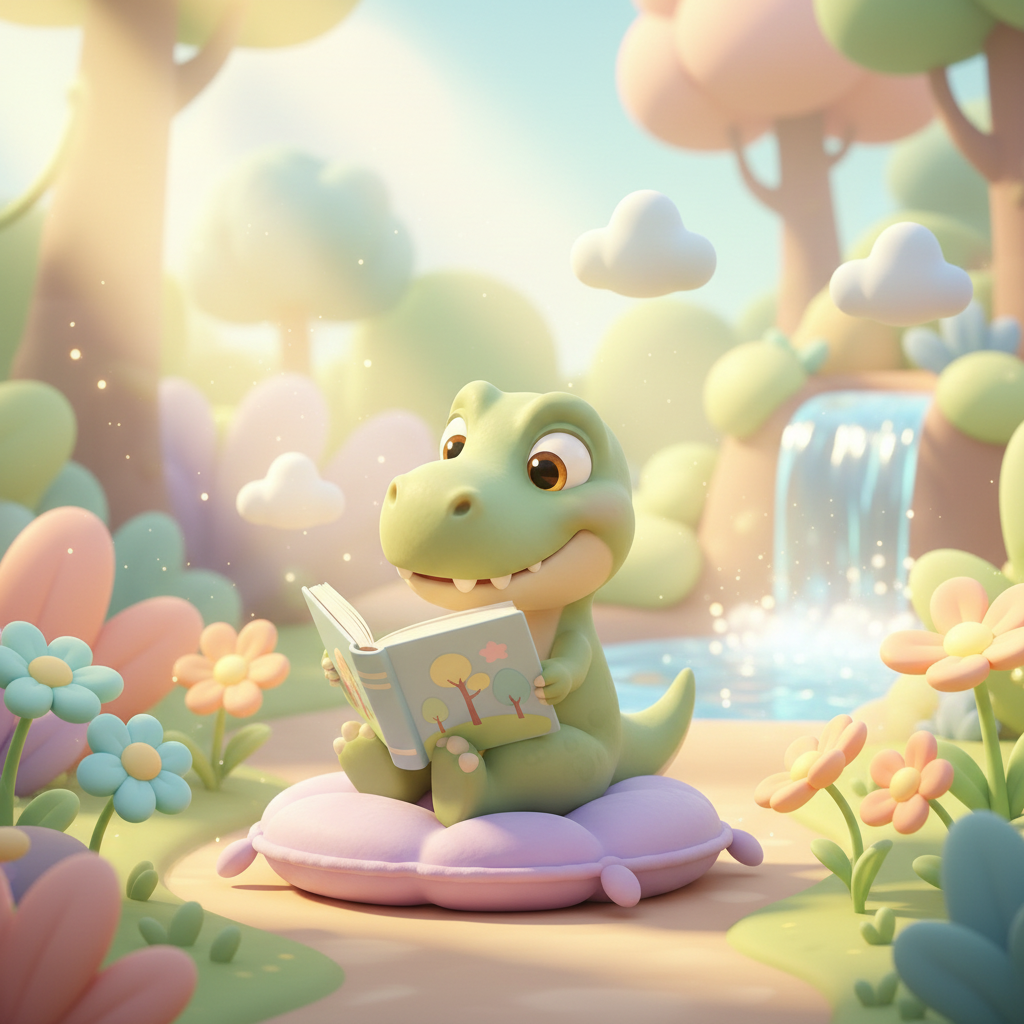
You’ve seen it: your child sits with a book, turning pages, “reading” aloud in that adorable babble that approximates fluent reading. Maybe they’re reciting a memorized story. Maybe they’re making up a new one based on the pictures. Either way, they’re engaged.
This pretend reading is called “emergent literacy,” and it’s crucial. Your child is practicing the behaviors of reading before they can actually decode words. They’re learning that books go from front to back, that pages turn left to right, that stories have beginnings and middles and ends.
Some kids do this with stuffed animals as their audience. Some do it alone in a corner. However it manifests, this independent engagement with books is one of the strongest predictors of future reading success.
Sign 4: They Ask Questions About Stories
“Why is the bunny sad?” “What happens after the end?” “Can we read the next one?”
Questions indicate active engagement. Your child isn’t passively consuming the story—they’re thinking about it, analyzing it, connecting it to their own experience. This is the foundation of reading comprehension.
The best questions are the ones that don’t have answers in the text. “Why do you think he did that?” “How would you feel?” “What might happen next?” These show your child is extrapolating, inferring, engaging with narrative on a deeper level.
Sign 5: They Have Strong Opinions About Characters
They love certain characters. They hate others. They worry about what will happen to the dog. They celebrate when the underdog wins.
Emotional investment in story characters is a hallmark of developing empathy and narrative understanding. Your child is learning that other people (even fictional ones) have feelings, motivations, and struggles. They’re practicing perspective-taking.
I’ve heard kids get genuinely upset when a book ends—like they’re saying goodbye to a friend. This attachment is precious. It means stories are becoming real to them in ways that matter.
Sign 6: They Bring Books Everywhere
The car. The restaurant. The doctor’s office. Wherever you go, a book comes too.
Kids who do this have discovered something powerful: books are portable magic. They’re entertainment, comfort, escape, and company all in one package. A familiar book in an unfamiliar place creates a bubble of security.
This behavior also shows that your child sees books as tools for self-regulation. Bored? Read. Anxious? Read. Waiting? Read. This association—books as emotional management—serves kids for their entire lives.
Sign 7: They Make Up Their Own Stories
Maybe they tell you elaborate tales at bedtime. Maybe they narrate while playing with toys. Maybe they draw stories and explain what’s happening in the pictures.
Story creation is the natural next step after story consumption. When kids invent narratives, they’re demonstrating understanding of plot, character, conflict, and resolution. They’re experimenting with cause and effect, with emotional arcs, with the power of language to shape reality.
Some kids do this verbally. Some draw. Some act out stories with stuffed animals or action figures. The medium doesn’t matter. What matters is the narrative impulse—the drive to create meaning through story.
Why These Signs Matter
Okay, so your kid shows some of these behaviors. Why should you care?
Because early engagement with books predicts pretty much every academic outcome you can measure. Kids who love reading before kindergarten enter school with larger vocabularies, better comprehension skills, stronger focus, and more background knowledge about the world.
These advantages compound over time. By third grade, kids who read for pleasure consistently outperform their peers on standardized tests—not just in reading, but in math and science too. The cognitive skills developed through reading (attention, sequencing, inference) transfer to every subject.
But the benefits go beyond academics. Kids who read develop stronger empathy. They handle stress better. They have richer inner lives. They know how to be alone without being lonely.
In a world of constant digital distraction, the ability to sink into a book for an hour is a genuine superpower.
How to Keep the Spark Alive
If you’re seeing these signs, your job is simple: don’t mess it up.
Keep books accessible. Low shelves. Baskets on the floor. Books in every room. If they have to ask permission to get a book, you’ve already created a barrier.
Let them choose. Within reason. A steady diet of only one series isn’t ideal, but forcing “quality” literature on a reluctant reader is worse. Follow their interests. Dinosaurs today, space tomorrow, silly rhymes next week. The subject matters less than the habit.
Read together without making it a lesson. Don’t stop every page to quiz them on phonics. Don’t insist they sound out words they’re not ready for. Just enjoy the story together. The learning happens naturally within connection.
Model reading yourself. Kids who see their parents reading are more likely to become readers. It’s that simple. Let them catch you with a book.
Celebrate the obsession. If they want to hear the same book thirty times, read it thirty times. If they want to hear about the sequel, get the sequel. If they draw pictures of the characters, put them on the fridge. This enthusiasm is fuel. Feed it.
What If My Child Doesn’t Show These Signs?
Here’s the thing: not every child shows early signs of book love. Some kids are movers, not sitters. Some are builders, not readers. Some just haven’t found the right book yet.
That’s okay. Reading readiness varies wildly. What looks like disinterest at three might transform into obsession at five. The goal isn’t to force early reading—it’s to keep books in the mix, pressure-free, until your child is ready.
Keep reading aloud even if they seem distracted. Keep books around even if they choose blocks. Keep the door open without pushing them through it.
Most kids come to reading eventually, especially if it’s presented as pleasure rather than obligation.
The Bottom Line
If your child memorizes stories, asks endless questions, pretends to read, or carries books like security blankets, take heart. You’re raising a reader.
This is one of the best gifts you can give them—not just because readers do better in school (though they do), but because readers live richer lives. They have access to more information, more perspectives, more worlds. They know how to entertain themselves, how to calm themselves, how to understand others.
Your child’s love of books isn’t something you created—it’s something they discovered. Your job is simply to protect it, nurture it, and get out of the way.
The stories they’re loving now are building the mind they’ll have for life. That’s worth celebrating.
Looking for books your child will actually love? Visit kittyanddino.com for stories that capture young imaginations and build lifelong readers.