Why Bedtime Stories Are the Secret to Better Sleep (And Smarter Kids)
TL;DR: Reading to your toddler at bedtime isn’t just cozy—it actually helps them fall asleep faster, builds their vocabulary, and strengthens your bond. A simple 10-minute story routine signals to their brain that it’s time to wind down. Start with familiar books, keep it calm, and watch bedtime battles turn into moments you both look forward to.
The bedtime battle. If you’ve got a toddler, you know exactly what I’m talking about. The stall tactics. The “just one more” requests. The sudden urgent need to discuss what happened at daycare three Tuesdays ago. By the time you finally get them down, you’re exhausted—and so are they.
But here’s something most parents don’t realize: the solution might be sitting on their bookshelf right now.
I’ve talked to dozens of parents about bedtime routines, and the ones who read stories consistently report something interesting. Their kids actually fall asleep easier. Not because the stories are boring (though let’s be honest, some of them are). But because the ritual itself does something powerful to a toddler’s developing brain.
Let me break down what the research actually says—and what I’ve seen work in real homes.
The Science Behind Bedtime Reading
Scientists have been studying this for years, and the findings are pretty consistent. Reading aloud to young children doesn’t just entertain them—it physically changes how their brains develop.
When you read to a toddler, their brain lights up in ways that screen time simply doesn’t match. They’re processing language, connecting sounds to meaning, and building neural pathways that will serve them for life. A 2015 study from Cincinnati Children’s Hospital found that reading at home actually alters brain activity in preschoolers, activating regions tied to language and reading readiness.
But here’s what gets me: it’s not about drilling ABCs or forcing early literacy. It’s about the experience itself. Your voice. The closeness. The predictable pattern of story-routine-sleep.
Faster Sleep Onset (Yes, Really)
Parents consistently tell me their kids settle down faster when stories are part of the routine. There’s a reason for this.
Reading aloud creates what’s called a “sleep cue.” When storytime happens in the same place, at the same time, with the same calming tone, your child’s brain starts associating books with sleep. The parasympathetic nervous system kicks in—heart rate drops, breathing slows, and that wired energy starts to fade.
Compare this to screens. Blue light suppresses melatonin. Content can be overstimulating. Even “calm” shows keep the brain active in ways that fight sleep. A picture book, by contrast, demands focus but doesn’t overstimulate. The rhythm of your voice becomes hypnotic. I’ve seen kids who fight bedtime for an hour drop off in ten minutes when parents switch to a consistent story routine.
Language Development That Adds Up
Here’s a number that surprised me: kids who are read to regularly enter kindergarten with a vocabulary thousands of words larger than kids who aren’t. Not hundreds. Thousands.
The math is simple. A typical children’s book contains more unique words than everyday conversation. When you read “The little rabbit hopped through the meadow,” you’re exposing your child to vocabulary they might not hear otherwise. “Meadow.” “Hopped.” “Through.” These words build up over time.
But bedtime reading has an extra advantage. It’s intimate. Your child is close, relaxed, fully present. They’re not distracted by toys or siblings or the dog walking past. This focused attention means better language absorption. The words stick.
The Bonding Factor
I’ll be honest—this is my favorite part.
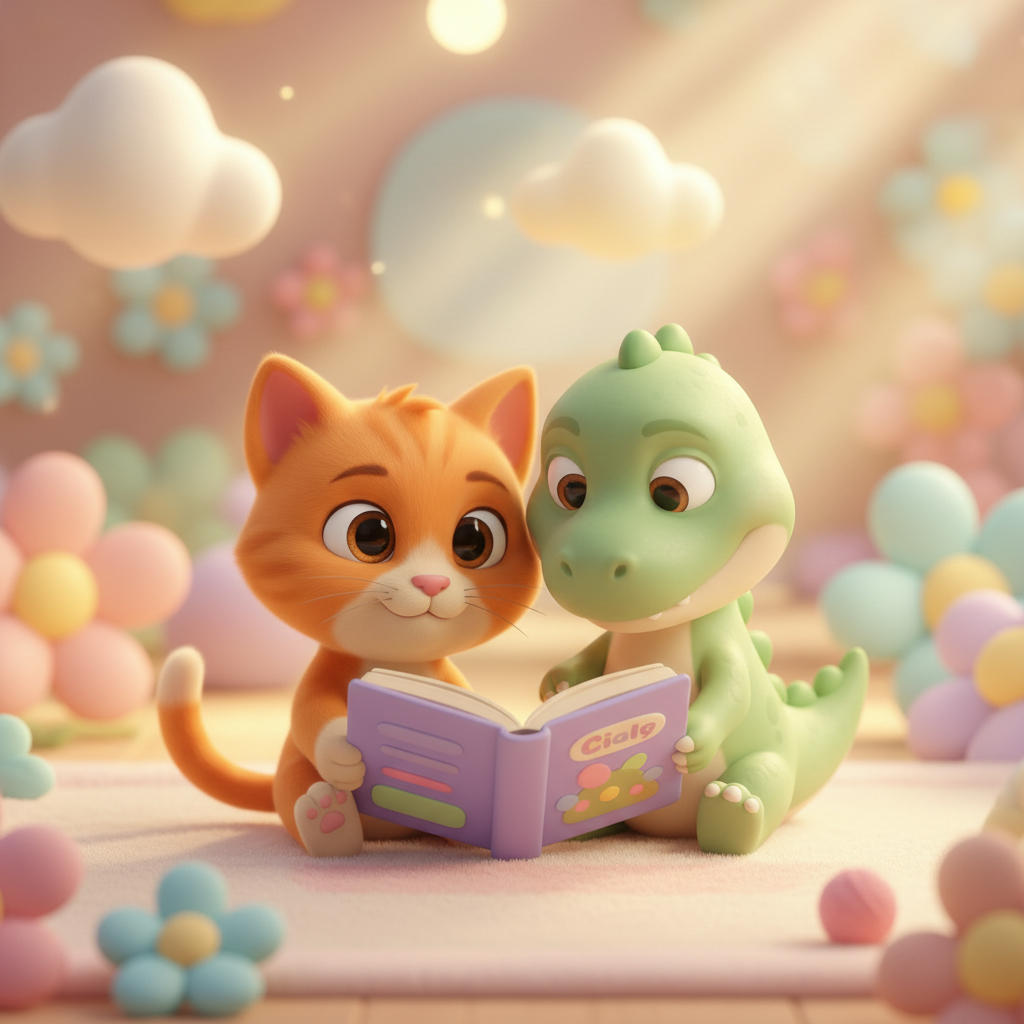
Bedtime reading creates what researchers call “serve and return” interactions. Your child points at a picture. You name it. They giggle at a funny face. You make the voice. This back-and-forth builds secure attachment in ways that passive activities can’t match.
In a world of competing demands—work emails, household chores, the endless mental load of parenting—storytime is protected time. It’s just you, your child, and the book. No phones. No distractions. Twenty minutes of connection that pays dividends in trust and security.
I’ve heard parents say their kids open up during storytime in ways they don’t at other moments. Something about the darkness, the closeness, the rhythm of your voice creates space for kids to share fears, ask questions, process their day.
Reduced Nighttime Anxiety
Toddlers get scared. The dark feels big. Shadows look like monsters. Being alone in a room is suddenly terrifying after a day of constant company.
Familiar stories help. When a child knows what happens next—when the rabbit finds his mother, when the little engine makes it over the mountain—they gain a sense of control. The world becomes predictable again.
There’s comfort in repetition here. Kids want the same book night after night not because they’re boring, but because mastery feels safe. They anticipate the funny part. They mouth the words along with you. This predictability extends beyond the story—it creates a sense that the night itself is manageable.
Better Sleep Quality Overall
Sleep isn’t just about falling asleep. It’s about staying asleep, cycling through REM and deep sleep, waking rested.
Kids with consistent bedtime routines—reading included—show measurably better sleep quality. They wake less during the night. They wake more refreshed. Their cortisol levels (the stress hormone) are lower at bedtime and through the night.
It makes sense. Predictable routines reduce anxiety. Lower anxiety means better sleep architecture. Better sleep means better everything—mood, learning, behavior, immune function.
I’ve seen the difference in my own work. Parents who commit to reading routines report fewer night wakings, fewer bedtime battles, fewer early mornings. The investment pays off fast.
How to Build a Bedtime Reading Routine That Actually Works
If you’re not currently reading at bedtime—or if you’ve tried and given up—here’s how to make it stick.
Start small. Ten minutes is plenty for toddlers. Don’t aim for chapter books or long narratives. Board books. Picture books. Books you can read in five minutes flat.
Keep it calm. This isn’t the time for dramatic voices and wild gestures (save that for daytime). Soft tone. Slow pace. The goal is winding down, not winding up.
Make it predictable. Same place, same time, same sequence. Bath, pajamas, book, bed. Or whatever works for your family. The ritual matters more than the specific books.
Let them choose. Within limits. Offer two books and let them pick. This gives toddlers the control they crave while you maintain boundaries.
Be flexible. Some nights they won’t sit still. Some nights they’ll want five books instead of one. That’s fine. The goal is consistency over time, not perfection every single night.
What If My Toddler Won’t Sit Still?
This comes up constantly. Parents worry that if their kid can’t sit through a story, reading “doesn’t work” for them.
Not true.
Some kids listen while playing with a quiet toy. Some kids pace while you read. Some kids need to hold the book themselves and flip pages at their own speed. The form matters less than the presence and the sound of your voice.
If sitting still is the battle, don’t make it the battle. Read while they lie in bed. Read while they play quietly nearby. The exposure still counts. The language still lands. The routine still builds.
The Bottom Line
Bedtime stories aren’t a luxury or an old-fashioned ritual. They’re a genuine tool for better sleep, stronger development, and closer connection.
You don’t need special books or perfect technique. You just need to start. Pick a book. Snuggle up. Read. Do it again tomorrow. And the next day. The benefits accumulate in ways that show up for years—in school performance, in language skills, in the relationship between you and your child.
Your toddler won’t remember the specific stories you read. But they’ll remember how it felt to be close to you, safe and warm, drifting off to the sound of your voice. That memory lasts. And so do the benefits.
Want more parenting insights and book recommendations? Visit kittyanddino.com for resources on raising readers, building routines, and making storytime magical.