How to Choose Birthday Books for Children: A Parent’s Guide (Ages 3–8)
The best birthday books for children aren’t the ones that sit on a shelf after the party — they’re the ones that get read again and again. But here’s the thing: the book that makes a 4-year-old ask “again” isn’t the same one that hooks an 8-year-old. Choosing the right one means matching the story to where the child actually is, not just their age on paper.
This guide walks you through how to pick birthday books that actually get read. We cover what to look for at each stage — from the interactive, rhyming picture books that work for 3-year-olds to the more complex illustrated stories that captivate 8-year-olds. For specific recommendations, see our guide to the best birthday books for kids by age.
📋 Key Takeaways
What you’ll get from this guide:
Age-specific criteria for choosing birthday books at every stage from 3 to 8
Answers to the most common parent questions about picking picture books as gifts
Simple rules to tell a book that will be read once from a book that will be read 20 times
Guidance on matching the book to the occasion — fun gift vs. meaningful milestone marker
People Also Ask
Q What are the best birthday books for a 4-year-old?
At age 4, kids are developing strong preferences but still need stories that move at a good clip. The best birthday books for this age hit three marks: a clear emotional core (friendship, kindness, the satisfaction of solving a problem), characters who face challenges a 4-year-old can understand, and illustrations that reward a second look.
Look for books where the main character experiences a small win — learning to share, trying something new, making a friend. These resonate because they mirror what 4-year-olds are actually working through. Skip anything with cliffhanger chapters or subplots that require a degree in literature. At this age, a satisfying beginning-middle-end in under 20 pages is the sweet spot.
Pro tip: For birthday gifts specifically, picture books with interactive elements — flaps, textures, sounds — tend to outperform. Kids love being able to “do” something during reading time instead of just passively listening.
Q How do I choose a birthday book for a child?
Start with what the kid actually likes. Are they deep into dinosaurs? Space? Cats wearing sweaters? A book that connects to their existing obsessions feels relevant rather than preachy. Ask the parents if there’s a character or show they’re currently obsessed with — these are reliable signals.
Consider emotional readiness, not just age. A 6-year-old who loves being read to can handle more complex storylines than a 5-year-old who’s still working on sitting still for a full page. When in doubt, lean toward slightly easier — kids build confidence from finishing books, not struggling through them.
Ask what you want the book to do. Just need something fun? Choose light, funny, fast-paced. Marking a milestone? Look for stories about growth, courage, or trying again. Birthday books for children serve their purpose best when you’re honest about what that purpose is.
Q What age is appropriate for picture books?
picture books typically work for ages 3 through 8, but the sweet spot depends more on the specific book than the specific age.
- Board books (thick pages, simple art) suit toddlers and very young readers.
- Standard picture books with more complex art and storylines are ideal for ages 4–7.
- Illustrated chapter books bridge the gap for ages 6–9, combining pictures with longer text.
The real indicator isn’t age — it’s attention span and interest. If a 3-year-old happily sits through 30-page stories, they’re ready for more advanced picture books. If an 8-year-old still loves visual storytelling, illustrated chapter books are a natural fit. Picture books aren’t a limit; they’re a format that scales.
Birthday Books by Age Group
Ages 3–5 Building the Love of Reading
At this stage, books are often the first thing a child opens at a party. The best birthday books for this group are short, visual, and emotionally straightforward. Kids ages 3–5 respond to stories about friendship, animals, and everyday adventures they recognize from their own lives.
What to look for: Rhyming text that actually scans (not every rhyme works on the tongue), repetition that builds confidence without putting adults to sleep, and illustrations that tell a second story in the background. Books with a single clear message — sharing is good, trying again works, friends help each other — hit without feeling like lessons.
The titles that work in this range tend to feature animal characters in situations children know: making friends, starting school, dealing with big feelings. Look for stories where the problem resolves by the last page — kids this age need that sense of completion.
Ages 5–7 Growing with Stories
Children in this range can handle more narrative complexity. They still want pictures, but the stories can have actual tension, multiple characters, and surprise endings. Birthday books for kids ages 5–7 often become the books they request at bedtime repeatedly, which means you’re committing to reading the same story approximately 200 times.
What to look for: Series potential. Children who connect with a character often want to return to that world, and a book series that holds up under heavy repetition is worth its weight in gold. Also look for books with a distinct voice — a character whose personality comes through in word choice. At this age, children start catching humor, so books with genuine laugh-out-loud moments earn repeat requests.
The titles that work best here tend to involve adventure stories, friendship tales with real conflict, and books that let kids feel capable. Stories where the main character overcomes a fear or learns something new tap into what children this age are working through emotionally.
Ages 7–9 Ready for More
Older elementary readers want stories that respect their intelligence. They still enjoy illustrations, but they want more text, more complexity, and characters who feel like real people. Birthday books for this group often become the ones children remember into adulthood — not because they were assigned, but because they genuinely loved them.
What to look for: Longer picture books or early chapter books with illustrations. Stories with moral complexity — where there’s no single “right” answer — engage this age group in a way simpler stories can’t. Children ages 7–9 also respond to humor that isn’t obvious, and to characters who are genuinely funny rather than cartoonish.
For this age group, adventure stories with stakes, mysteries, and friendship narratives consistently perform well. Children this age often read independently but still love being read to, so books that work both ways maximize your gift value.
How Kitty & Dino Fits Into Your Birthday Book Search
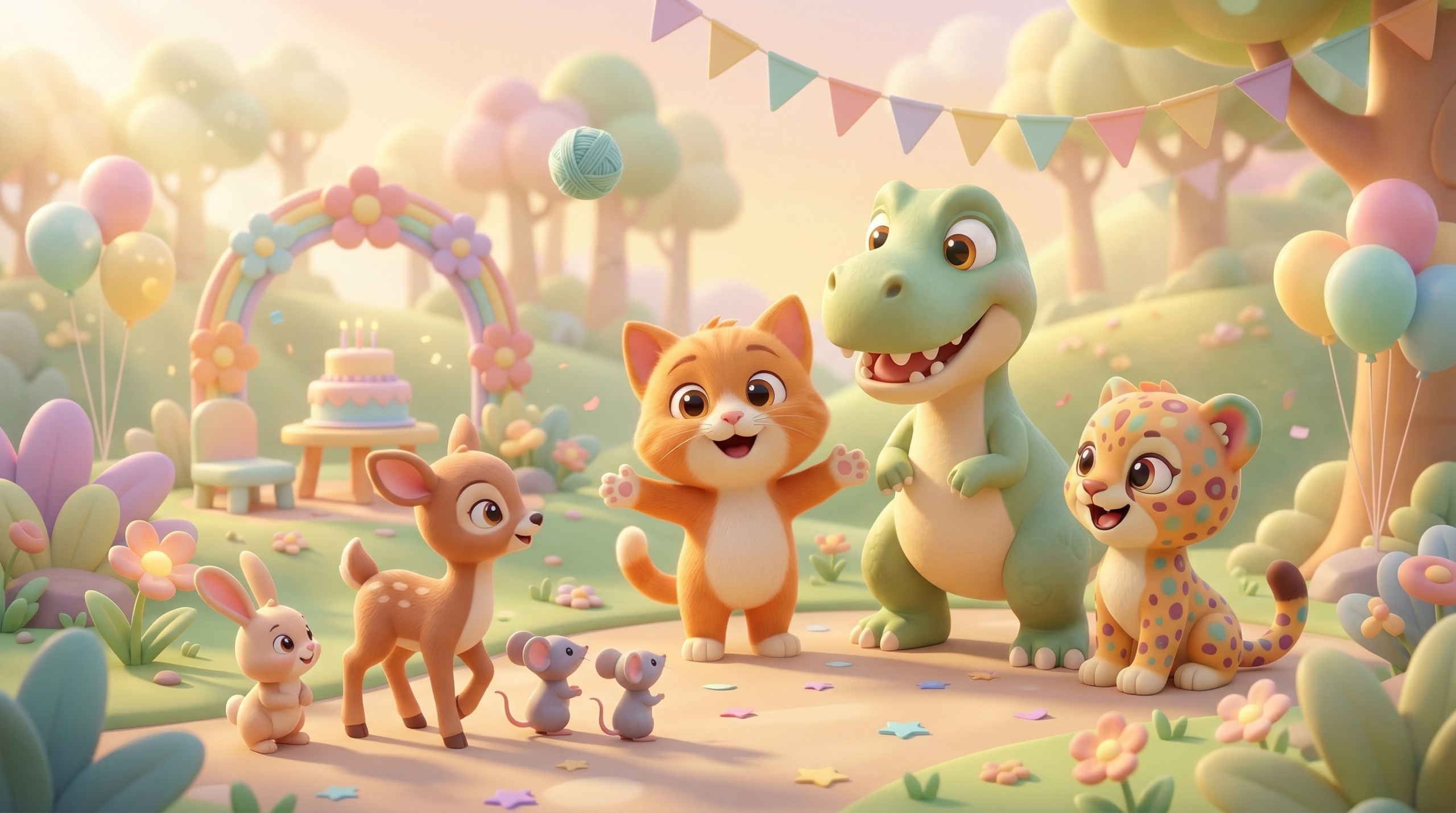
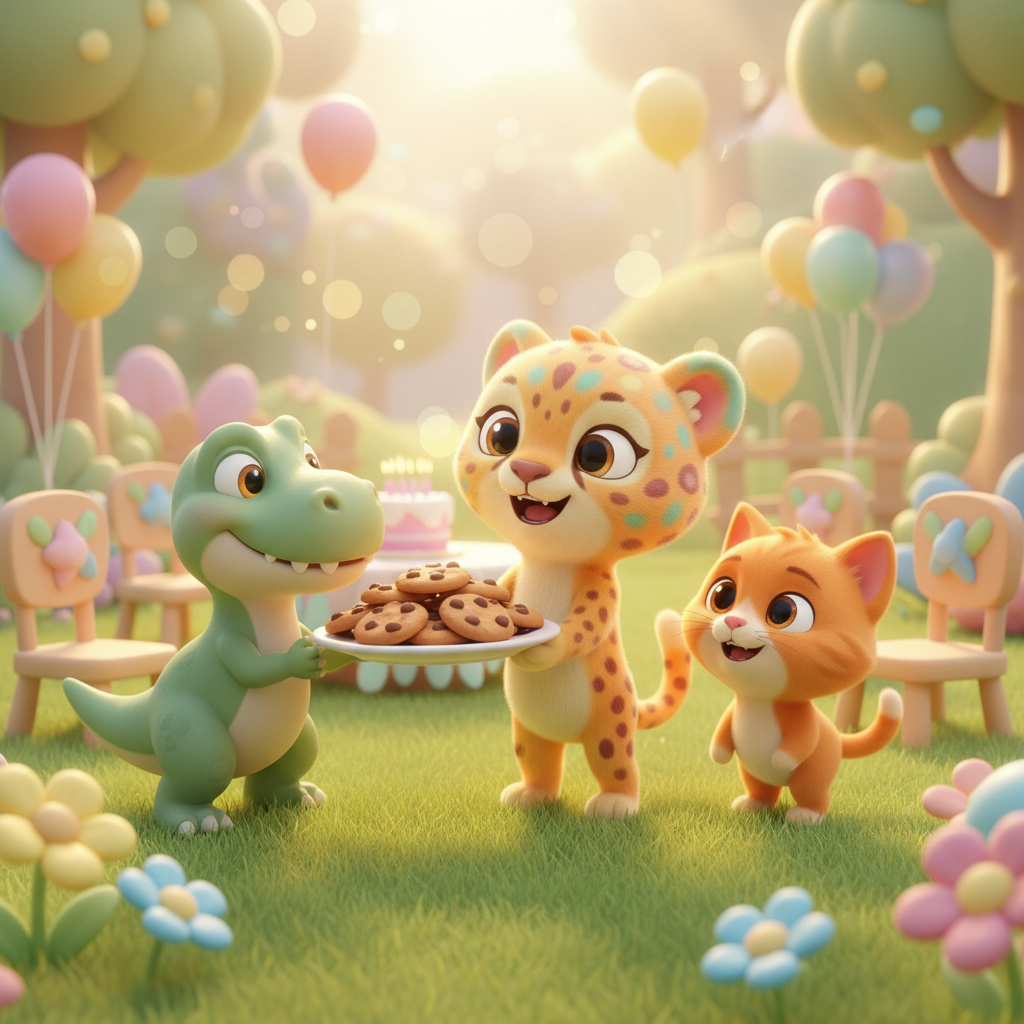
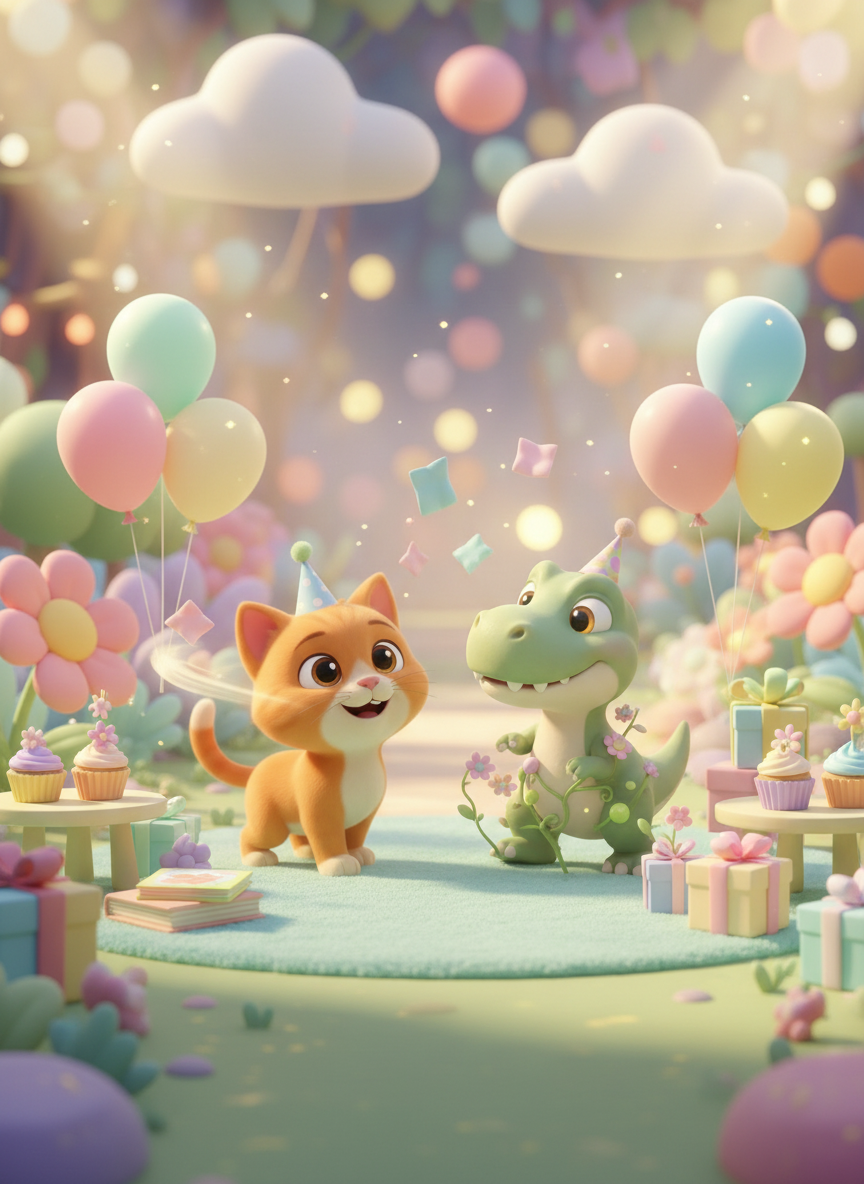
Finding birthday books for children that check all the boxes — engaging story, meaningful themes, illustrations that reward attention, price that doesn’t blow the gift budget — can feel like a lot to ask. Kitty & Dino stories are built around what children at every age actually respond to: characters who try hard, care about each other, and work through problems without giving up.
Whether you’re buying for a child just starting to sit through a full picture book or one who’s ready for longer illustrated stories, Kitty & Dino offers options that grow with your reader.
Want specific title recommendations? Browse our top birthday books for kids in 2026 or explore our birthday books by age group guide for tailored suggestions at every developmental stage. For more on matching books to kids, see our children’s picture books resource.
⚡ TL;DR Summary
Choosing birthday books for children doesn’t have to be complicated. Here’s what to remember:
- Ages 3–5: Short, visual stories with clear emotional messages. Animal characters in relatable situations. Interactive elements score bonus points.
- Ages 5–7: Longer stories with more complex plots, humor, and series potential. Kids this age want to laugh and feel capable.
- Ages 7–9: Illustrated books with deeper themes and characters who feel real. Moral complexity engages them in a way simple lessons don’t.
- Always check: Does this match the child’s interests? Is the reading level right? Does it do what I want it to do?
- Skip: Books that feel preachy, oversized for the age group, or disconnected from what the kid already loves.
The best birthday books for children are the ones they ask to read again. Use our age-group guide to narrow your search, and when in doubt, choose the book you’d want to read aloud 20 times.